Episode Details
Back to Episodes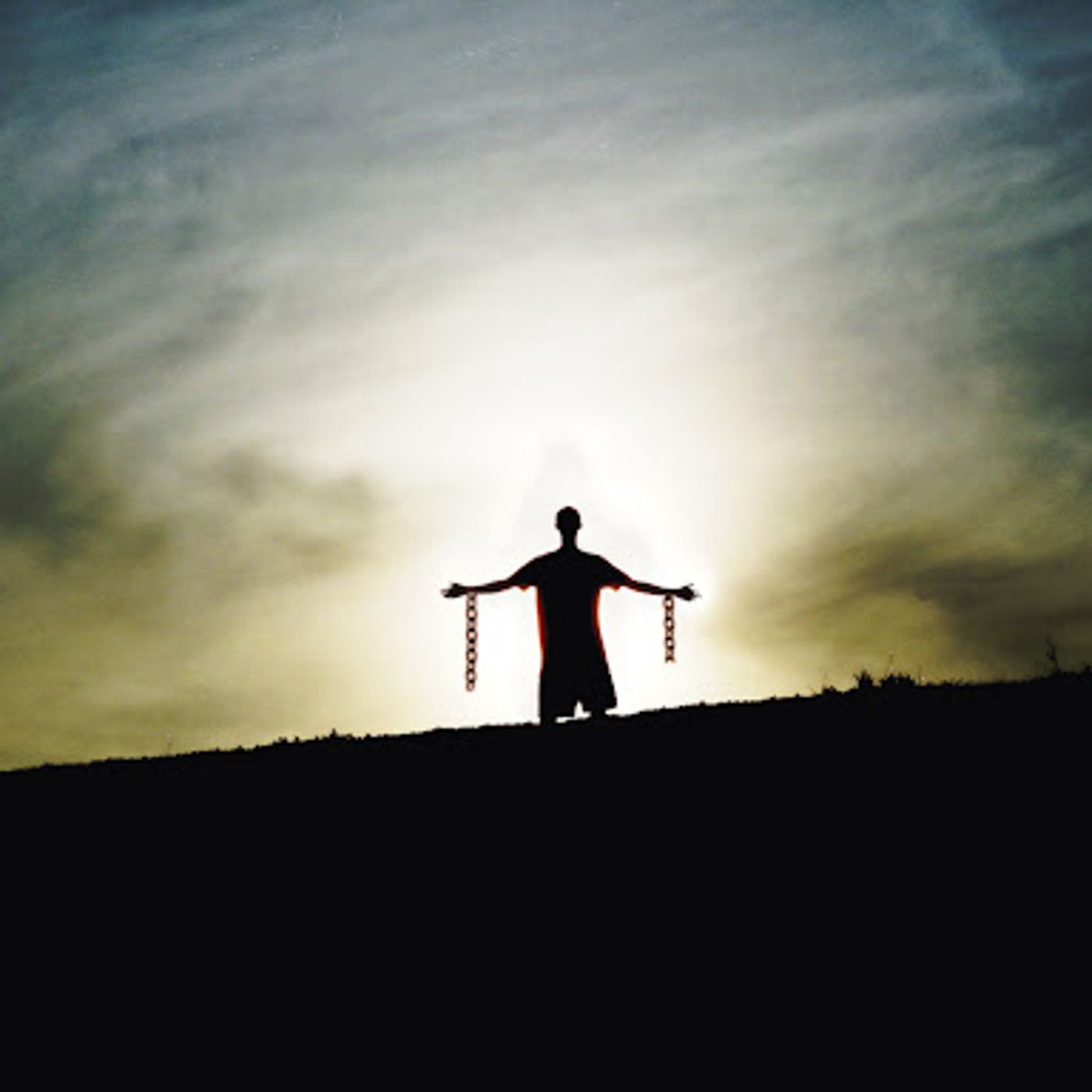
A Legion of Demons
Published 1 year, 4 months ago
Description
A Legion of DemonsIn great misery and nakedness, he wandered among the graves of the dead. He was in utter wretchedness, leading a disgraceful life. He was a proof of the cruelty of demons and a plain demonstration of their impurity.Cyril of Alexandria, Commentary on LukeThese are the words of the early Church Father Cyril of Alexandria, describing the plight of the man possessed by a legion of demons in our Gospel story this morning. So we begin a journey through the Gospel of Luke on which we will be taken by our lectionary over the Sundays of ordinary time. And we begin with one of the most intense and extraordinary situations of all. For modern, apparently civilised people like us, all of this may sound very strange: a person possessed by man demons, his nakedness, madness, ravings, the chains he broke with superhuman strength, talk of the abyss, and the destruction of a herd of pigs.How do we understand then the plight of this poor man and its relationship to our lives? We can pick out a few thingsFirstly, it is quite clear that this man was living in a Gentile region, and so this would have been his first encounter with Israel’s Messiah, Jesus Christ. We can also see that his torment had lasted a long time and removed his dignity from him, removing him from civilised company and causing him to live among the tombs. So driven and controlled was he by these demonic powers that he could not be bound by a chain, but was possessed of such agitation that he broke free from all physical constraint.When Jesus approached him, the demon spoke through the man’s body. A conversation ensued in the course of which Jesus asked him, “What is your name?” And he said, “Legion.”The word “Legion” in context referred to a unit of the Roman army which numbered 5,000 men. How to understand this? Literally, that the man was possessed by many demons and therefore must have been opened in some way to a radical form of evil.But symbolically, we might see here something of the human condition as it is affected by sin. The great Church Father St Augustine spoke of his state before he came to know Christ by saying, “I have become a question to myself”. What he meant by this was that he was confused and tormented by the tangle on contradictory impulses that existed within his soul, desiring at one time one thing and at another time another thing. But, upon obtaining anything, his impulses and desires would shift and he would never come to know the true rest and happiness for which he was searching.We can surely understand, then, what is symbolised by the legion of demons that possesses this man because surely we are all familiar with this sense that we too are composed of many different, shifting and, at times, contradictory desires. We are, in that sense, questions to ourselves, not understanding ourselves – what we need, what we desire, what can truly make us happy and give us peace. And so we follow whichever voice within us shouts most loudly in the hope that, by following, we may find relief.And we might even go further and say that we can fully identify within this man’s torment and the beastliness of his existence. When we think of ourselves in our lowest moments – when we are truly possessed by the impulses of sin in anger, lust, or some other uncontrollable passion – we recognise that we are, in some real sense, possessed by something. We are not in our right mind but have given ourselves over to base impulses which control us and degrade us so that we are not how and what we know we should be.We are invited by our Gospel reading today, then, to step back from ourselves and to observe. What do we see? We know that there are times when we are possessed and controlled by powers that are, in some sense, outside of ourselves, of our real selves. We know that we need God’s help – Christ’s help – to deliver, heal, and restore us.An Encounter with ChristThis is the situation. What is the answer? The answer can only be the grace of God in Christ. Obs