Episode Details
Back to Episodes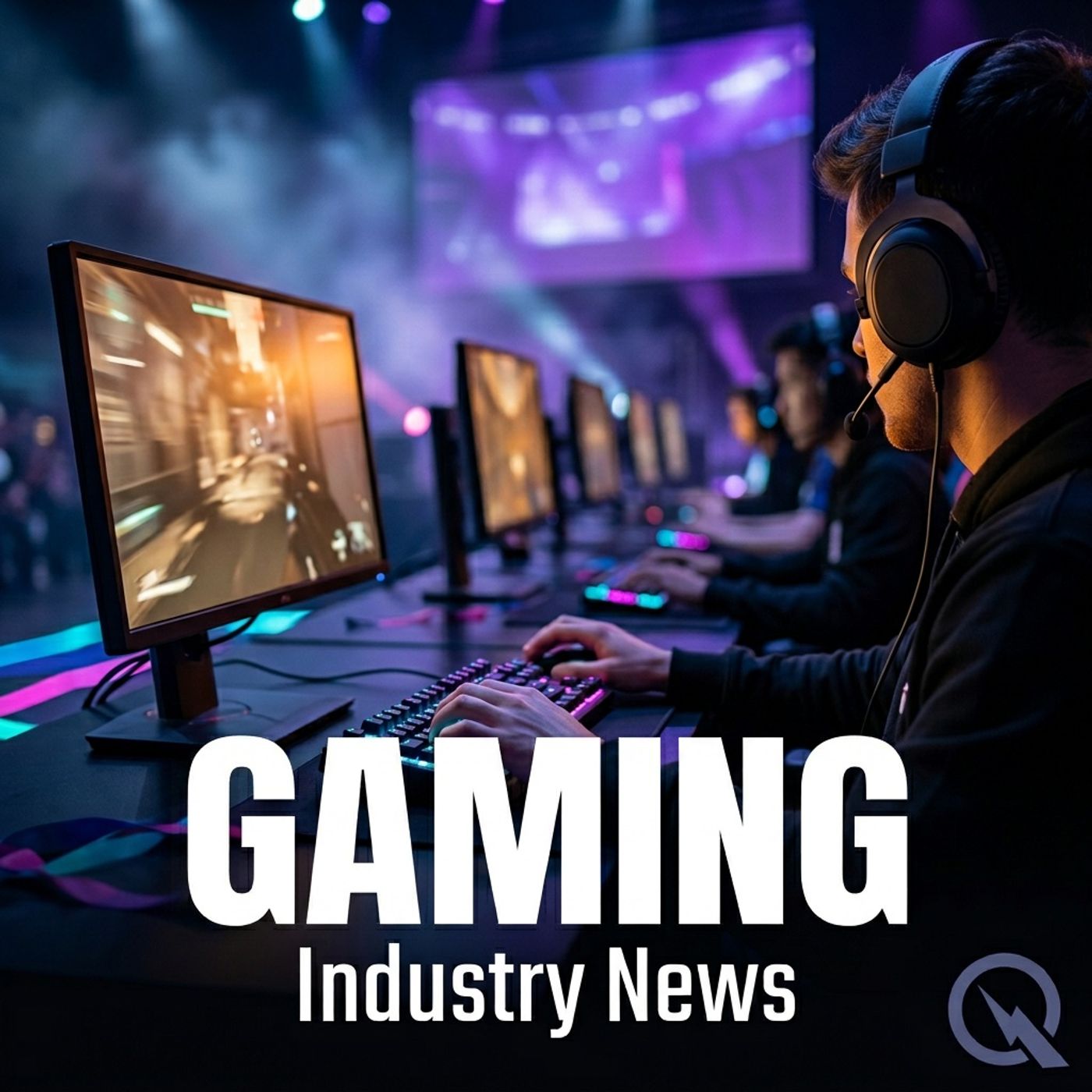
Esports Industry Pivots Toward Unified Events and Partnerships with State, Corporate Backing
Published 10 months, 1 week ago
Description
In the past 48 hours, the gaming and esports industry has seen significant developments reflecting both opportunity and ongoing structural challenges. The Global Esports Industry Week kicked off in Austin, Texas, bringing together industry leaders and innovators, coinciding with the highly anticipated and sold-out BLAST.tv Austin Major, the largest esports tournament ever held in the United States. This event highlights the industry’s concerted push to foster collaboration, spark new ideas, and expand market influence at a time when the sector is eager for sustainable growth and fresh revenue streams.
On the global stage, Riyadh’s ongoing initiative to position Saudi Arabia as the heart of international esports continues to evolve. The Esports World Cup is now underway, with its organizers explicitly aiming to unite clubs, publishers, fans, and intellectual property owners. This tournament, with major backing and a multi-million-dollar prize pool, reflects an ongoing trend toward consolidation and state-led investment designed to address the long-standing fragmentation of the esports ecosystem. Industry experts point out that while the pandemic era saw temporary surges in engagement due to physical sports cancellations, the sector has historically struggled with sustainable coordination between stakeholders. The Esports World Cup, now featured in a new docuseries on Amazon Prime Video, exemplifies efforts to create landmark events that reset industry expectations.
Elsewhere, emerging partnerships signal new growth areas: Amazon Ads has teamed up with the Esports World Cup to broaden its reach, and innovative content such as the Clash of Clans Netflix series is expanding the cultural footprint of esports properties. Market statistics indicate the global esports audience has surpassed 500 million, with investment and sponsorship deals remaining central to industry vitality.
While prices for high-end gaming hardware have stabilized after pandemic-era volatility, supply chains remain resilient, supporting continued consumer appetite, especially for major tournament events and new product launches. Leading gaming and esports organizations are intensifying their focus on high-profile events and cross-media content to drive fan engagement and offset sponsorship uncertainty.
Compared to earlier years dominated by scattered growth and short-term surges, this week’s developments mark a clear industry pivot toward larger, more unified events and partnerships, with significant state and corporate backing shaping the future landscape.
This content was created in partnership and with the help of Artificial Intelligence AI
On the global stage, Riyadh’s ongoing initiative to position Saudi Arabia as the heart of international esports continues to evolve. The Esports World Cup is now underway, with its organizers explicitly aiming to unite clubs, publishers, fans, and intellectual property owners. This tournament, with major backing and a multi-million-dollar prize pool, reflects an ongoing trend toward consolidation and state-led investment designed to address the long-standing fragmentation of the esports ecosystem. Industry experts point out that while the pandemic era saw temporary surges in engagement due to physical sports cancellations, the sector has historically struggled with sustainable coordination between stakeholders. The Esports World Cup, now featured in a new docuseries on Amazon Prime Video, exemplifies efforts to create landmark events that reset industry expectations.
Elsewhere, emerging partnerships signal new growth areas: Amazon Ads has teamed up with the Esports World Cup to broaden its reach, and innovative content such as the Clash of Clans Netflix series is expanding the cultural footprint of esports properties. Market statistics indicate the global esports audience has surpassed 500 million, with investment and sponsorship deals remaining central to industry vitality.
While prices for high-end gaming hardware have stabilized after pandemic-era volatility, supply chains remain resilient, supporting continued consumer appetite, especially for major tournament events and new product launches. Leading gaming and esports organizations are intensifying their focus on high-profile events and cross-media content to drive fan engagement and offset sponsorship uncertainty.
Compared to earlier years dominated by scattered growth and short-term surges, this week’s developments mark a clear industry pivot toward larger, more unified events and partnerships, with significant state and corporate backing shaping the future landscape.
This content was created in partnership and with the help of Artificial Intelligence AI