Episode Details
Back to Episodes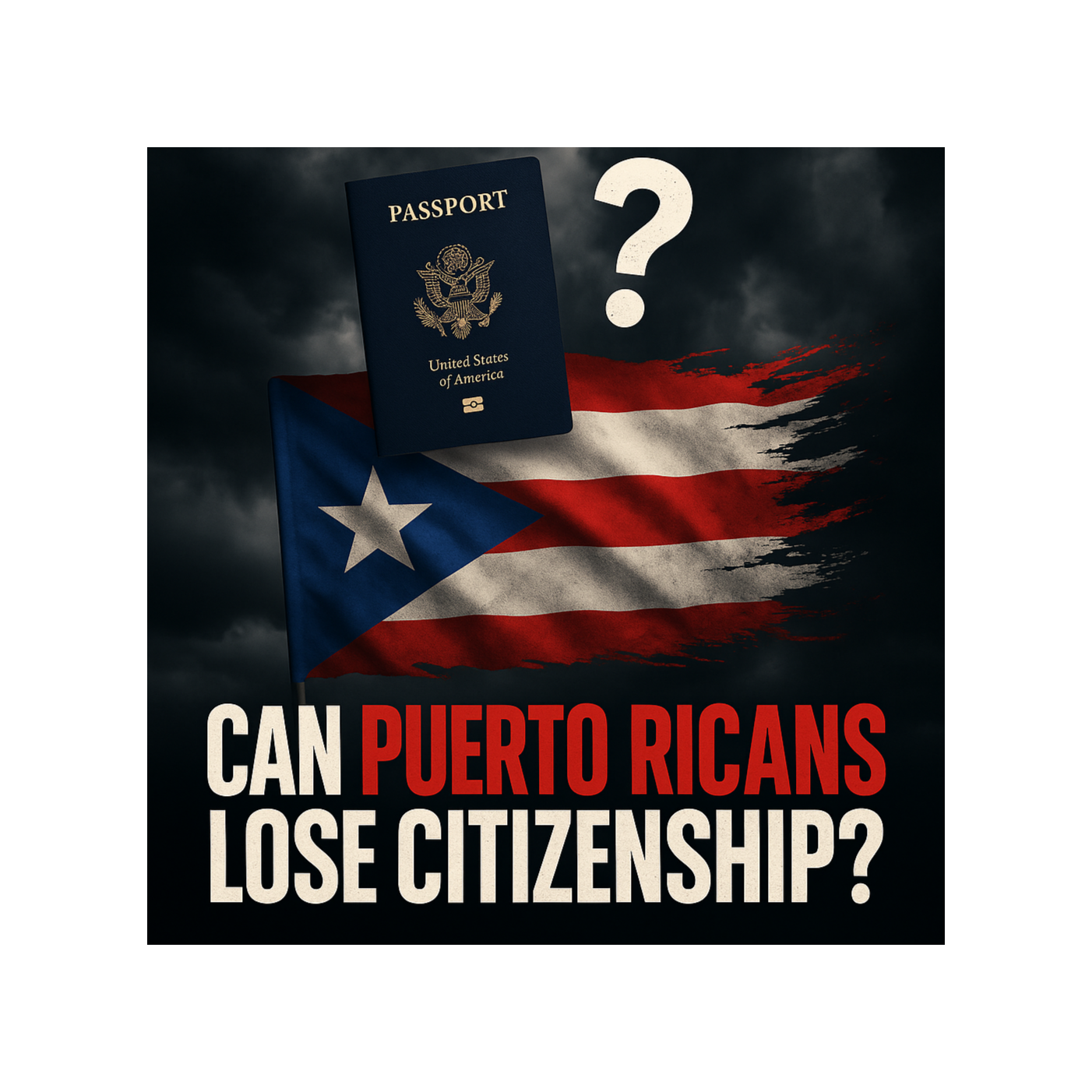
Puerto Ricans born on the island are U.S. citizens by statute, not by the Constitution ?
Season 1
Episode 22
Published 1 year, 3 months ago
Description
Puerto Ricans born on the island are U.S. citizens by statute, not by the Constitution — and that distinction is extremely important.
🇺🇸 1. How Puerto Ricans Got U.S. Citizenship
Puerto Ricans became U.S. citizens through the Jones-Shafroth Act of 1917, a congressional statute — not a constitutional amendment or birthright clause like the 14th Amendment.
⚖️ 2. Is Puerto Rican Citizenship Protected Under the U.S. Constitution?
No, not fully.
- The 14th Amendment, which grants citizenship to those "born or naturalized in the U.S. and subject to its jurisdiction," has not been definitively ruled to apply to Puerto Rico by the U.S. Supreme Court.
- That means Congress has the power to revoke or alter Puerto Ricans' statutory citizenship through legislation.
🚨 3. Can Puerto Ricans Lose Their U.S. Citizenship?
Technically, yes — if Congress chose to change the law.
- Because Puerto Rican citizenship is statutory, not constitutional, Congress could, in theory, repeal or modify the law that grants citizenship to island-born Puerto Ricans.
- This has been discussed in legal and academic circles, especially around debates over independence or status change.
However, this would be:
- Politically explosive
- Potentially challenged in courts
- Highly unlikely unless Puerto Rico were to vote for independence, at which point citizenship status would have to be redefined.
🛑 4. Contrast with the 50 States
In the 50 U.S. states:
- Citizenship is protected by the 14th Amendment — you cannot lose it by legislative decision.
- It’s a constitutional right.