Episode Details
Back to Episodes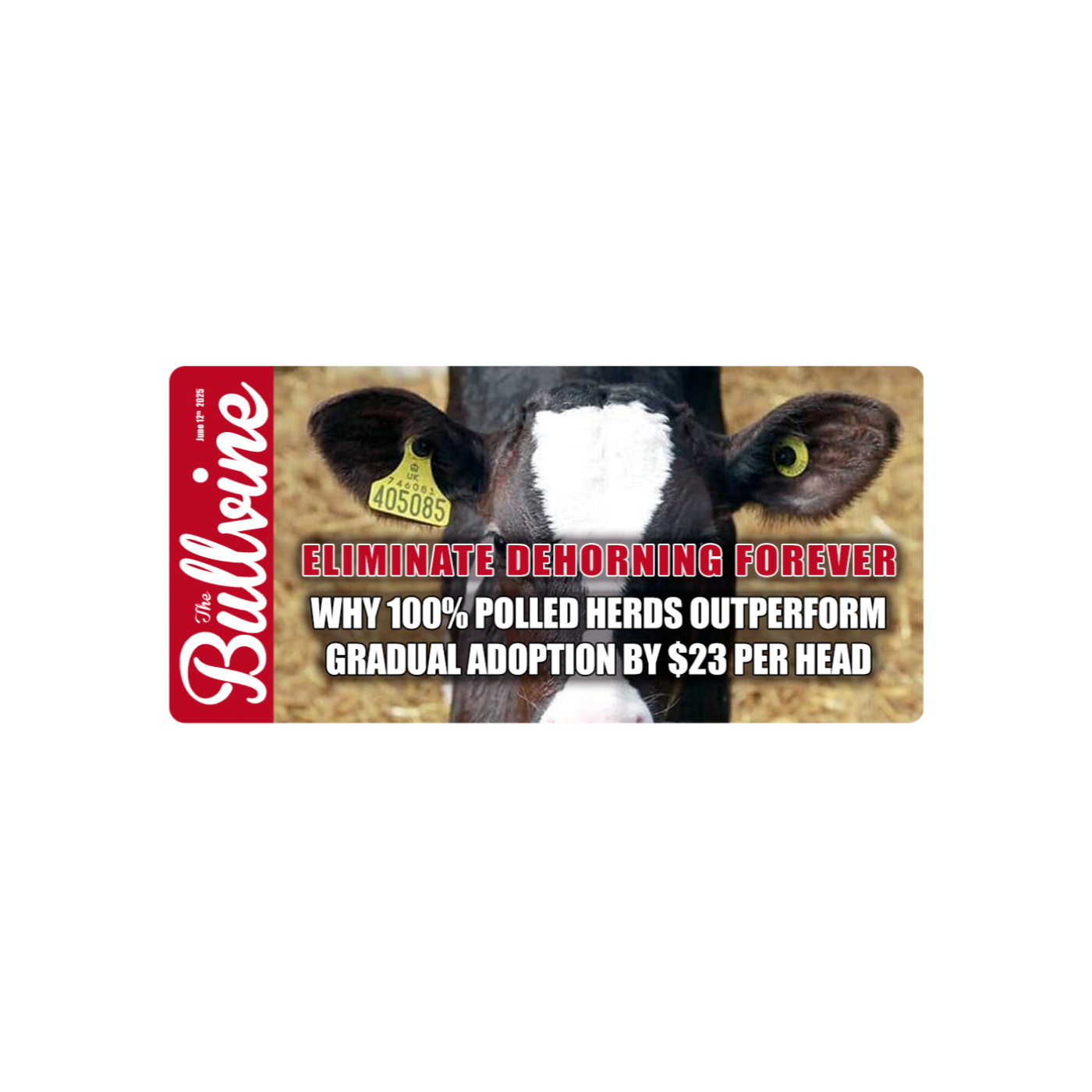
E290 Eliminate Dehorning Forever: Why 100% Polled Herds Outperform Gradual Adoption by $23 Per Head
Season 1
Episode 290
Published 8 months, 2 weeks ago
Description
This episode challenges the dairy industry's biggest financial mistake: gradual polled adoption. This explosive episode reveals why half-polled herds are bleeding money faster than fully horned operations and exposes the "transition trap" costing producers thousands annually.
Key Discussion Points
The $23 Per Head Economic Shock
- Direct dehorning costs: $17.36 per head in combined expenses
- Hidden costs: Treatment complications (1-8% vs 1-3% for polled cattle)
- The "half-polled trap": Paying premium genetics prices while still shouldering 50% dehorning costs
- 500-cow operation loses $8,600 annually from dehorning alone
Genetic Revolution Dismantles Old Excuses
- Elite polled sires now average $1,108 in Net Merit
- Cherry-Lily Luster-P: World's first polled "millionaire sire" (901,300 doses sold)
- Arizona herd data: Polled cows produce MORE milk (66.5 kg vs 65.9 kg daily)
- Top polled bulls consistently rank on Top 100 TPI proven sire lists
The Single-Generation Transformation
- Homozygous polled (PP) sires guarantee 100% hornless offspring
- Complete herd conversion possible in just one generation
- Strategic outcrossing with PP females and elite horned bulls
- 90-day implementation action plan breakdown
Global Market Reality Check
- European adoption rates approaching 67% by 2025
- Major corporate buyers (Nestle, General Mills, Dunkin Brands) prioritizing polled genetics
- "100% Polled" certification commanding livestock premiums
- North American producers positioned for export opportunities
Featured Success Stories
- Burket-Falls Farm: 60+ years of polled breeding, 90% polled herd
- Drewholme Holsteins: Strategic integration into elite "L" family
- Calbrett Kingboy Miranda EX-93: Global Cow winner proving polled excellence
Technology & Future Outlook
- Genomic testing providing 99% accuracy for polled status confirmation
- Gene editing potential with CRISPR-Cas9 technology
- Consumer acceptance challenges vs. scientific capabilities
- Inbreeding risk mitigation through diversified PP bull availability