Episode Details
Back to Episodes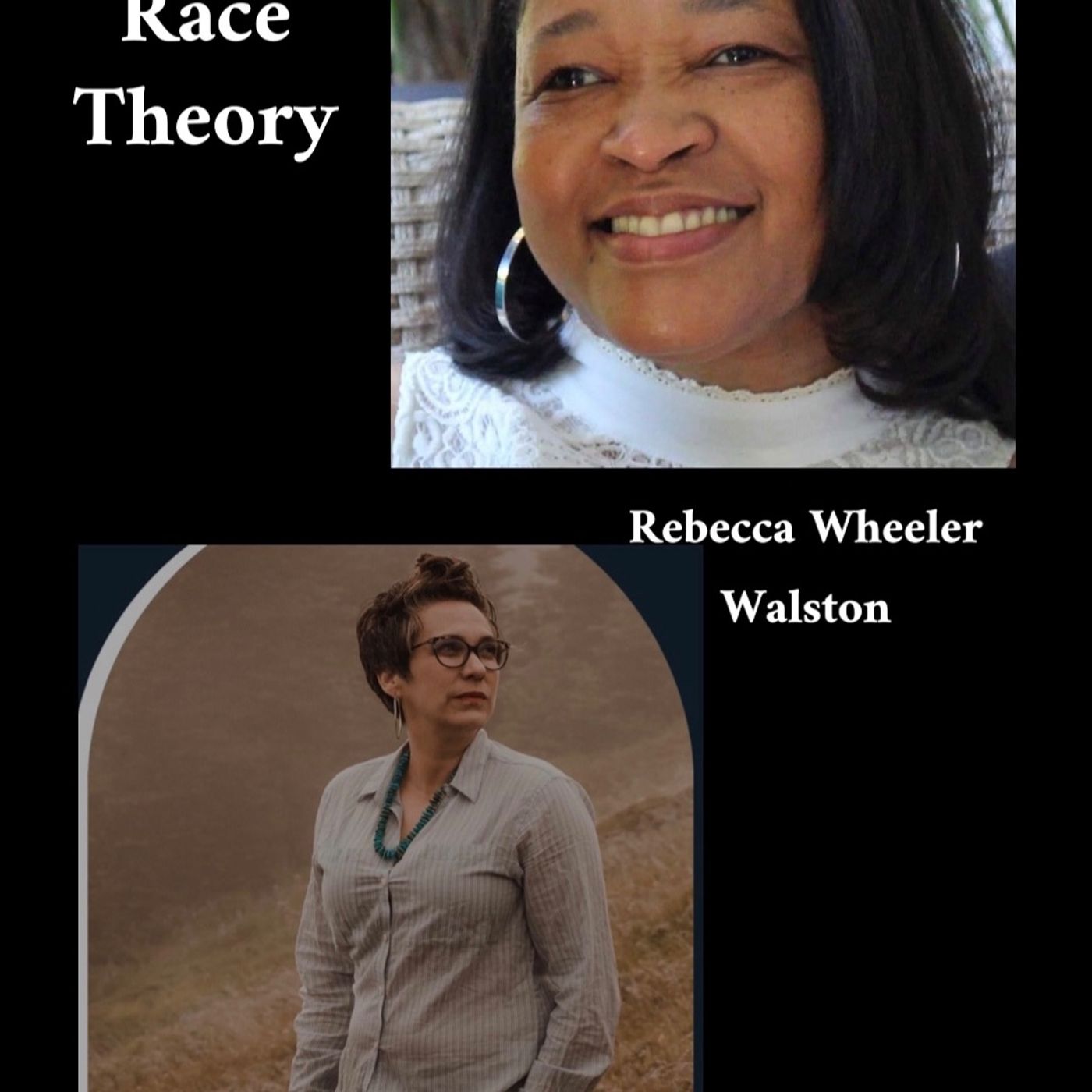
Critical Race Theory Rebecca Wheeler Walston and Danielle S. Castillejo
Description
Rebecca Wheeler Watson - CRT Instagram Live 8/28/2021 Notes
Rebecca lives in Virginia, has completed Law School at UCLA, holds a Master’s in Marriage and Family Counseling, is also a licensed minister.
What is Critical Race Theory? We need to define it before we actually step into defending or refuting, coming to the pros and cons, in order to have informed discussions.
Rebecca says, CRT is a way of thinking or engaging a topic, event, perspective or field of study, and asking the question are there racial dynamics at play that move beyond the individual intentions of the players involved and looking at structural things “baked into the cake” that are making decisions based on race, often time that are to the detriment of the minority group (or disempowered group).
- Started in the 1970s by legal scholars - looking at the gains that they thought would come through the Civil Rights Move Act.
- They saw gains in the legislation and in the law (Brown vs Board of Education) but were not being felt or seen in real time experiences on the ground.
- Early CRT scholars Derrick Bell and Kimberle Crenshaw were asking questions, why is this happening?
- If we apply a neutral sounding law to a scenario where racism is already “baked” into the structure, they found that you will not actually get at the structure, the racism that’s built into the structure.
- Classic law case would be regarding: Hate Speech
- There is freedom of speech. The law on its face is neutral and doesn’t mention race at all.
- However, if we apply that basic principle to a cross burning as a freedom of speech, we must take into account the history of the terror that a burning cross was meant to strike terror into the hearts of African Americans and newly freed slaves.
- We don’t at the structure or the symbol if we simply say “all speech is free”
Danielle asks, so without including race in the discussion we aren’t getting the full picture?
Rebecca says yes! And other disciplines have adopted this framework.
COVID-19: When the numbers started to show that Black and Brown communities were getting disproportionately affected by COVID, members of the health profession started to take a Critical Race Theory approach and ask are there things ‘baked’ into our health system and to our economic system that actually produced the disparate results we are seeing in COVID-19? And if we ask those questions, can we undo some of the inequity and imbalances that are built into the health care system and economic systems so we don’t see these disparate impacts moving forward?
Danielle says what she is hearing from Rebecca is that it is not an attack on a certain group of people but a way to get to racism that is built in the structure by an invitation to look at the history of how the laws were made (and by whom they were made) and how racism got baked into them. [Can we look at the disparities and care for one another well?]
Rebecca says it’s a good point -- this is not about an individual but a method for getting at racism built into the structure and therefore transcends individual actions.
For example Darrin Chauvin, the police officer who was convicted of murdering George Floyd. You can look at that scenario and say the individual act of one police officer, and if we address that one case with Darrin Chauvin going to prision for the murder of George Floyd, then “the problem has been solved.” But the issue is there are far too many George Floyds and Darrin Chauvins across the police communities across this country.
In fact today (8/28) is the anniversary of the death of Emmet Till. There are many names and many scenarios. So if we simply stop with Darrin Chauvin then we don’t get at the question of do we have a problem with the way we imagine policing in this country? Do we have a problem with the way we imagine innocent behavior as