Episode Details
Back to Episodes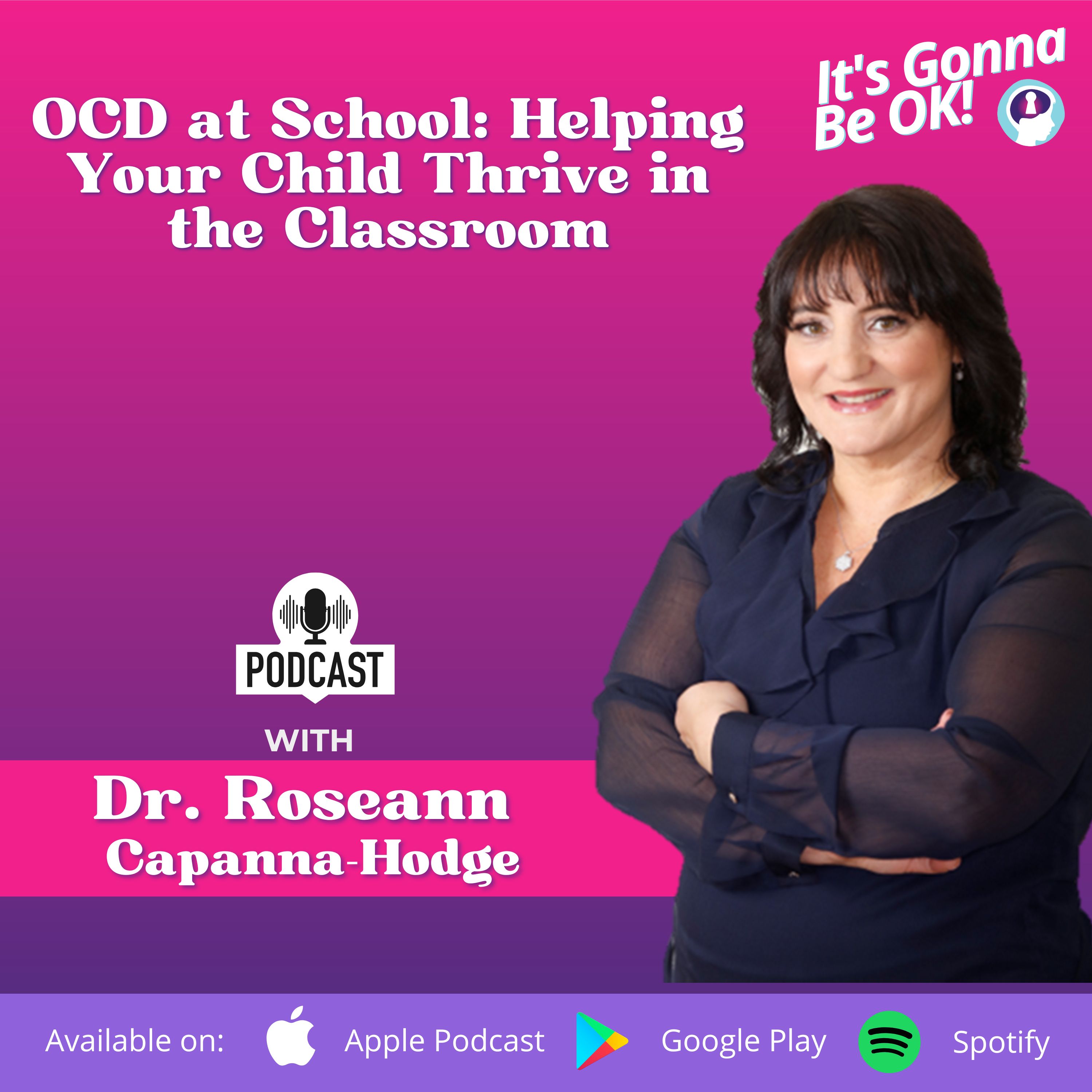
Help Your OCD Child Thrive in the Classroom | Regulation First Parenting™ | E308
Description
Estimated Reading Time: 5 minutes
When school amplifies your child's anxiety, perfectionism, intrusive thoughts, or emotional overwhelm, it can leave you feeling helpless. You're not alone. Many children struggle with OCD in the classroom, silently battling fears and compulsions while trying to keep up with academic and social demands.
In this episode, you'll learn:
• Why children with OCD often appear "fine" at school while struggling internally
• The hidden signs of OCD in the classroom that teachers may miss
• How to support your child without reinforcing anxiety or compulsions
• School accommodations that help without feeding the OCD cycle
Why does my child fall apart after school?
Many children with OCD spend the school day masking symptoms and suppressing intrusive thoughts. By the time they get home, their nervous system is exhausted.
Their brains may be stuck in fight, flight, or freeze mode, making learning, social interactions, and transitions much harder than they appear.
What's often happening beneath the surface:
• Intrusive thoughts demand constant attention
• Rituals and rigid routines create stress around transitions
• Perfectionism makes starting or completing work difficult
• Avoidance is mistaken for laziness or defiance
Real-life example: A child repeatedly erases answers on a math worksheet, not because they don't understand the material, but because they're terrified of making a mistake.
What are the hidden signs of OCD in the classroom?
OCD rarely looks the way most people expect. Many symptoms are subtle and often mistaken for ADHD, anxiety, or behavior problems.
Common signs include:
• Repeatedly asking, "Did I do this right?"
• Frequent bathroom visits
• Endless rewriting or erasing
• Difficulty starting assignments
• Tapping, organizing, or repeating actions
• Emotional shutdowns or frustration
Behavior is communication. It's not bad behavior. It's a dysregulated brain.
When your child is struggling, it can feel overwhelming. The Regulation Rescue Kit provides practical scripts and tools to help you stay grounded and support your child effectively.
Become a Dysregulation Insider VIP at www.drroseann.com/newsletter and get your free kit today.
How can I help without feeding anxiety?
While reassurance feels supportive, it often strengthens OCD. Instead of providing repeated answers, focus on helping your child build self-trust and coping skills.
Helpful strategies include:
• Visual schedules to reduce uncertainty
• Calm-down spaces for regulation
• Movement and sensory breaks
• Scripts that redirect reassurance-seeking
• Clear rubrics and structured expectations
For example, if your child asks, "Is this enough?" instead of answering directly, try asking, "What does your checklist say?" This encourages independence and interrupts the OCD cycle.
These approaches also support nervous system regulation in children by reducing stress and increasing predictability.
Should my child have a 504 Plan or IEP?
In many cases, yes. The key is choosing accommodations that support learning without reinforcing compulsions.
Helpful accommodations may include:
• Reduced-length assignments
• Clear rubrics and examples
•