Episode Details
Back to Episodes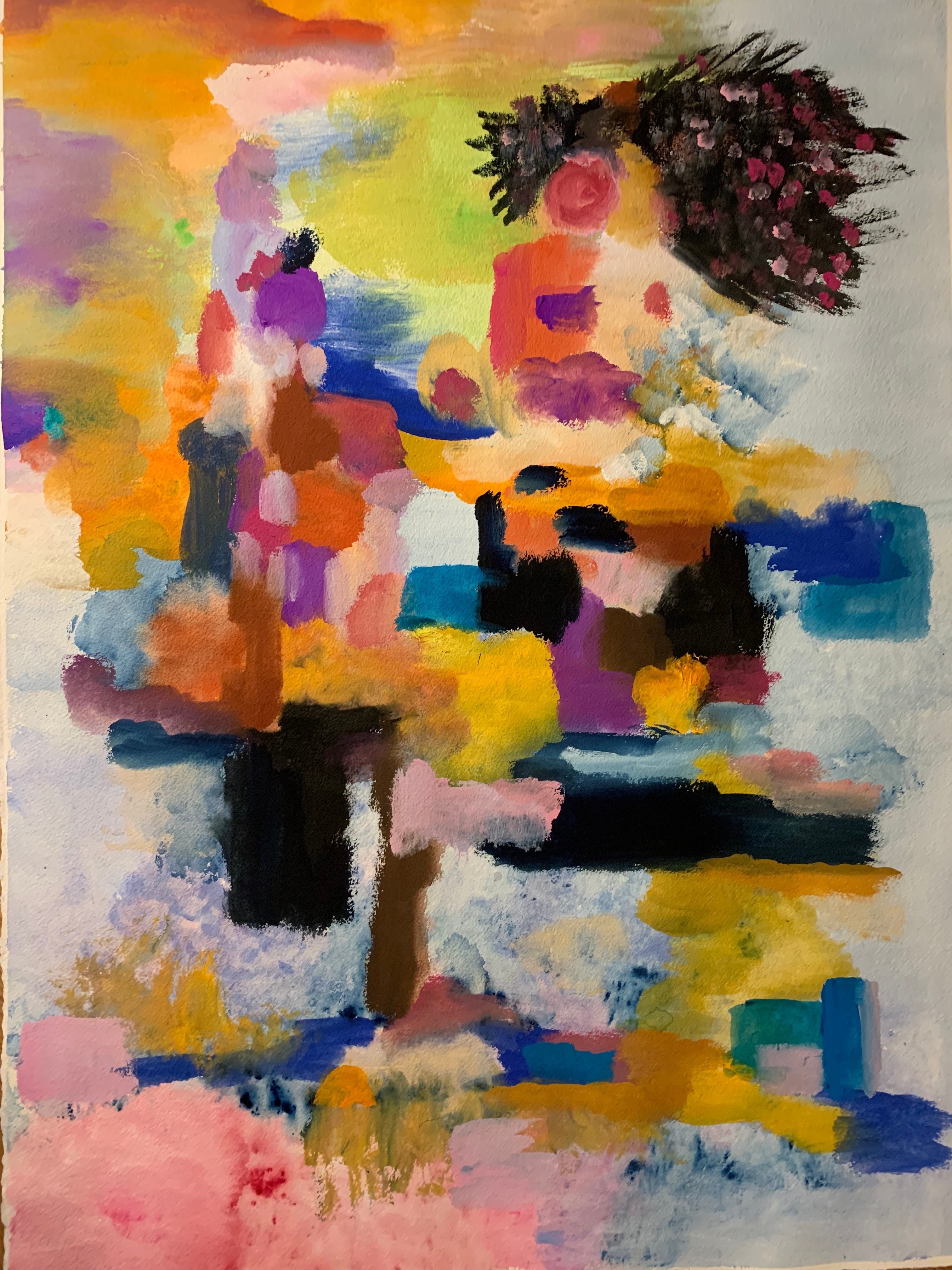
Getting Unstuck
Description
I have been contemplating being stuck. You know that feeling that something else should be happening. Something more, or different, or better. The sense that whatever is happening is somehow wrong, or bad, or amiss in some way.
The sense of being stuck can even manifest as an over-identification with the hope for growth or healing in a particular area of life.
I want to share a koan from the mumonkan. It’s an old buddhist folktale, that offers some playfulness and insight to this dynamic of being stuck and trying to get unstuck.
Mumonkan CASE 42: Stuck in Samadhi
Case: Once in the ancient days of the World-Honored One, Manjushri went to the place where Buddhas were assembled and found that all the Buddhas were departing for their original dwelling places. Only a young woman remained, sitting in samadhi close to Shakyamuni Buddha’s throne. Manjushri asked the Buddha, “Why can that woman be near the Buddha’s throne while I cannot?” The Buddha said, “Just awaken her and raise her up out of samadhi and ask her yourself.”
Manjushri walked around the woman three times, snapped his fingers once, took her up to the Brahman heaven, and exerted all his supernatural powers, but he could not bring her out of samadhi.
The World-Honored One said, “Even a hundred or a thousand Manjushris would not be able to bring her out of samadhi. Down below, past twelve hundred million lands as innumerable as the sand of the Ganges, is the Bodhisattva Mômyô (Delusive Wisdom). He will be able to arouse her from her samadhi.”
Instantly the Bodhisattva Mômyô emerged out of the earth and made a bow to the World-Honored One, who then gave his command. The Bodhisattva went before the woman and snapped his fingers once. At this, the woman came out of samadhi.
Mumon’s Commentary: Old Shakya plays a country drama on stage, but people of shallow realization cannot appreciate it. Just tell me: Manjushri is the teacher of the Seven Buddhas; why can’t he bring the woman out of her samadhi while Mômyô, who is the bodhisattva of delusive wisdom, can? If you can grasp this completely, you will realize that surging delusive consciousness is nothing other than greatest samadhi.
Like all koans, there are many ways to read this. And we are often invited to take the perspective of all of the characters in the koan. So, who in the koan actually thinks the woman is stuck? She doesn’t seem to. The Buddha doesn’t seem to. Manjushri is quite bent out of shape by this woman’s samadhi.
Now, the point of the koan isn’t to analyze who is right and wrong here, or think too much about what it is about. Koans are meant to be brought inside. So one way of working with this is to see all these characters as parts of us.
I think we all have a part like Manjushri. A part that is good at finding the problem, of diagnosing, of trying to fix.
There might be aspects of your life or spiritual practice that this part is keeping track of. Where it feels you are stuck. If we were to inquire where in your life you are feeling stuck (could be in your relationships, in you career, in your spiritual practice, in your home life, in your experience right now?) We would meet this inner Manjushri.
It starts with a seeming commonplace thought—this shouldn’t be happening, something is wrong!
Manjushri is a wise part, as the koan goes, he is the teacher of the past seven buddhas. This part of us knows a lot of spiritual maneuvers, a lot of tricks to get you unstuck.
for example: take deep breaths, practice metta, imagine your body is made of light, see it as a dream, feel the space around the feeling
Manjushri knows all of the tools in the spiritual toolkit. And, he’s operating with that belief— that this shouldn’t be happening, you shoul