Episode Details
Back to Episodes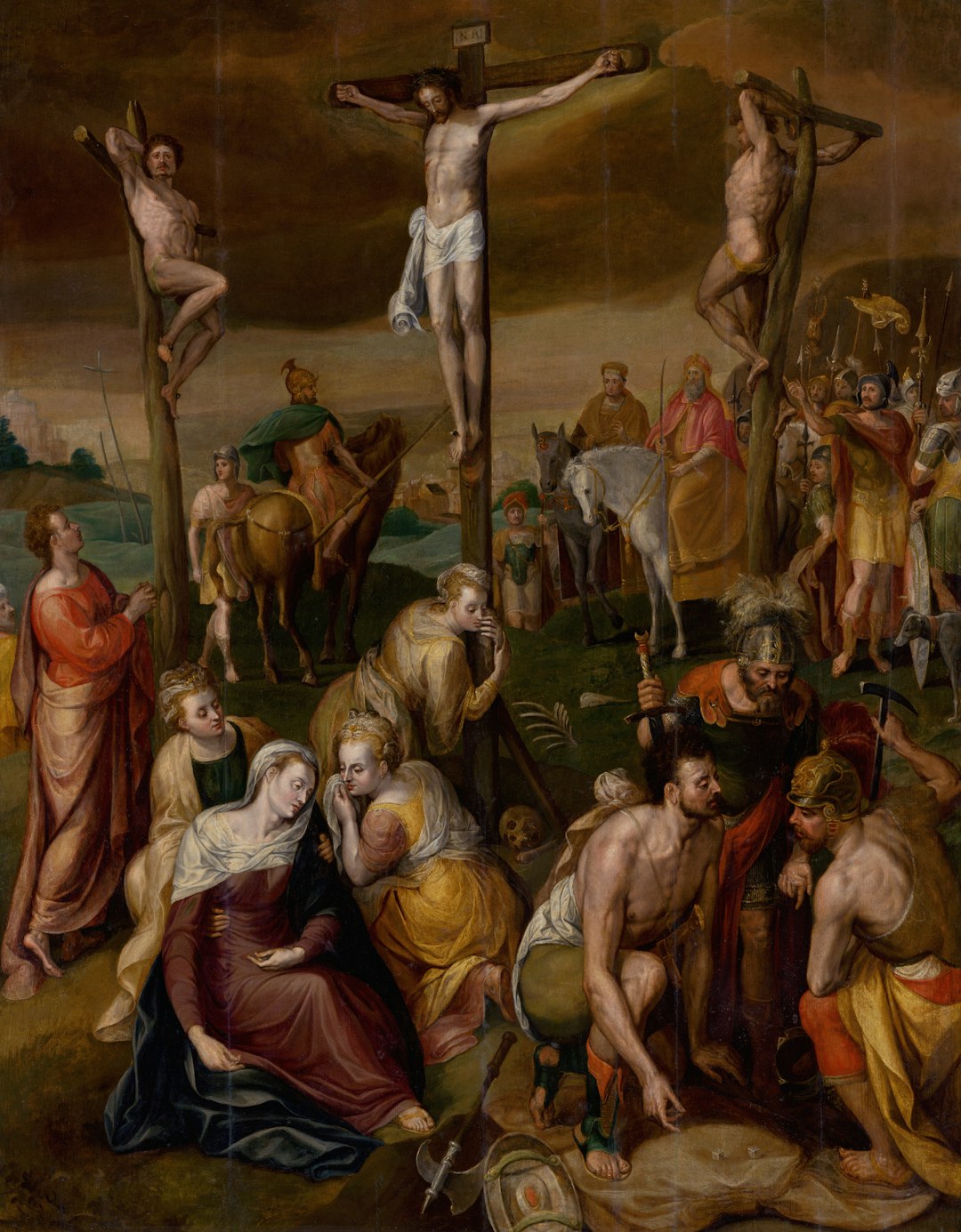
7 Words: My God, My God, Why Have You Forsaken Me?
Description
Forsaken
Matthew 27:46, Remsen Bible Fellowship, 7 Words, 4/6/2025
When you think, “God-forsaken”, what comes to mind?
Do you think a desert, those patches of the world seemingly inhospitable to life? Or does your mind run to situations in war-torn countries where it seems any sign of God - or even his image in man - has disappeared? Or perhaps you think of a time in your own life, when you felt particularly desolate and cried out, “where are you, God?”
That kind of cry can come in a couple of different ways. It can come with a tone of despisal, anger, and bitterness. I know I mentioned this recently, but I’ve heard one pastor describe an atheist as someone who doesn’t believe that God exists—and is mad at him for not being there. There’s a real sense in which disbelief in God is the self-defense mechanism of a father-hungry soul: if he isn’t there, he can’t disappoint me.
Of course, not many people sitting in church on Sunday morning are among the less than 10% of Americans who claim to be atheist. But we can suffer from the same kind of anger, fist shaking, or silent disappointment that the atheist does. Perhaps it’s even more acute. It really does hurt more when you know God is there, and it still feels like he’s not interested.
In a real sense, the sin of the chief priests, the Pharisees, and the other religious leaders of Israel in Jesus day seems to be tied to this kind of disappointment with God. Though Jesus had clearly presented supernatural evidence of his divine Person (Acts 2:22), they rejected the obvious Presence of the Lord. Because they didn’t believe in the reality of a God? No, but because God came—and he didn’t bring in the kingdom they had hoped for. He was there, and he wasn’t what they expected or wanted. So the servants beat the Son, killed him, and threw him out of the vineyard (see the parable of the tenets, Matthew 21). He who came to lay the foundation of a kingdom not of this world, was rejected by men, smitten, and afflicted.
But here is the burning question of our text today: as Jesus hung there on the cross, was he forsaken by the Father, too? After all that he suffered at the hands of men, was Jesus abandoned on the cross?
Matthew 27:45-50, 45 Now from the sixth hour there was darkness over all the land until the ninth hour. 46 And about the ninth hour Jesus cried out with a loud voice, saying, “Eli, Eli, lema sabachthani?” that is, “My God, my God, why have you forsaken me?” 47 And some of the bystanders, hearing it, said, “This man is calling Elijah.” 48 And one of them at once ran and took a sponge, filled it with sour wine, and put it on a reed and gave it to him to drink. 49 But the others said, “Wait, let us see whether Elijah will come to save him.” 50 And Jesus cried out again with a loud voice and yielded up his spirit.
Jesus Faced God’s Wrath: so you don’t have to (v45)
In verse forty-five it tells us darkness swallowed the land. What did this mean? Why did the darkness take over the land in the middle of the day? The darkness, though surely a literal description of what happened that Friday afternoon, is also highly symbolic.
In the parable of the wedding feast in Matthew 22:13, Jesus describes a servant who comes to the wedding feast in inappropriate garments—and is bound hand and foot, and cast out of the king’s presence—into the outer darkness. In the imagery of the parable, the clean wedding garments which the guests are to wear represent the righteousness which is given to them as a gift by the king. He had sent his servants out into the roads to invite guests in place of the previous wicked servants who had spurned his invitation.
And on the cross, Jesus was, as it were, taking on all of our filthy garments. All of your sin, all of your wickedness, all of the lies and the murders and the adultery and the hatred and the envy and the fornication an