Episode Details
Back to EpisodesRolling Hells and Land-Ships
Description
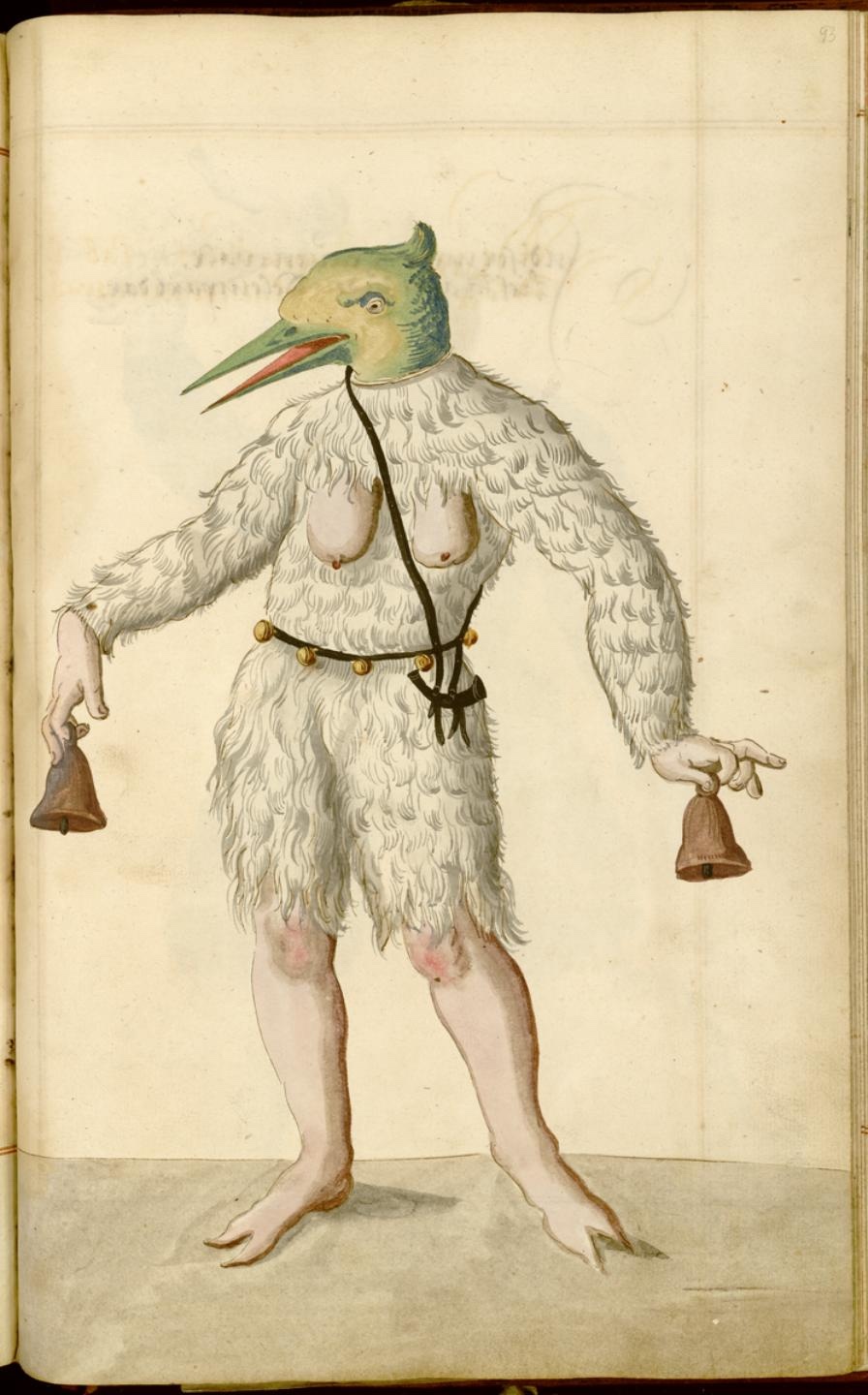
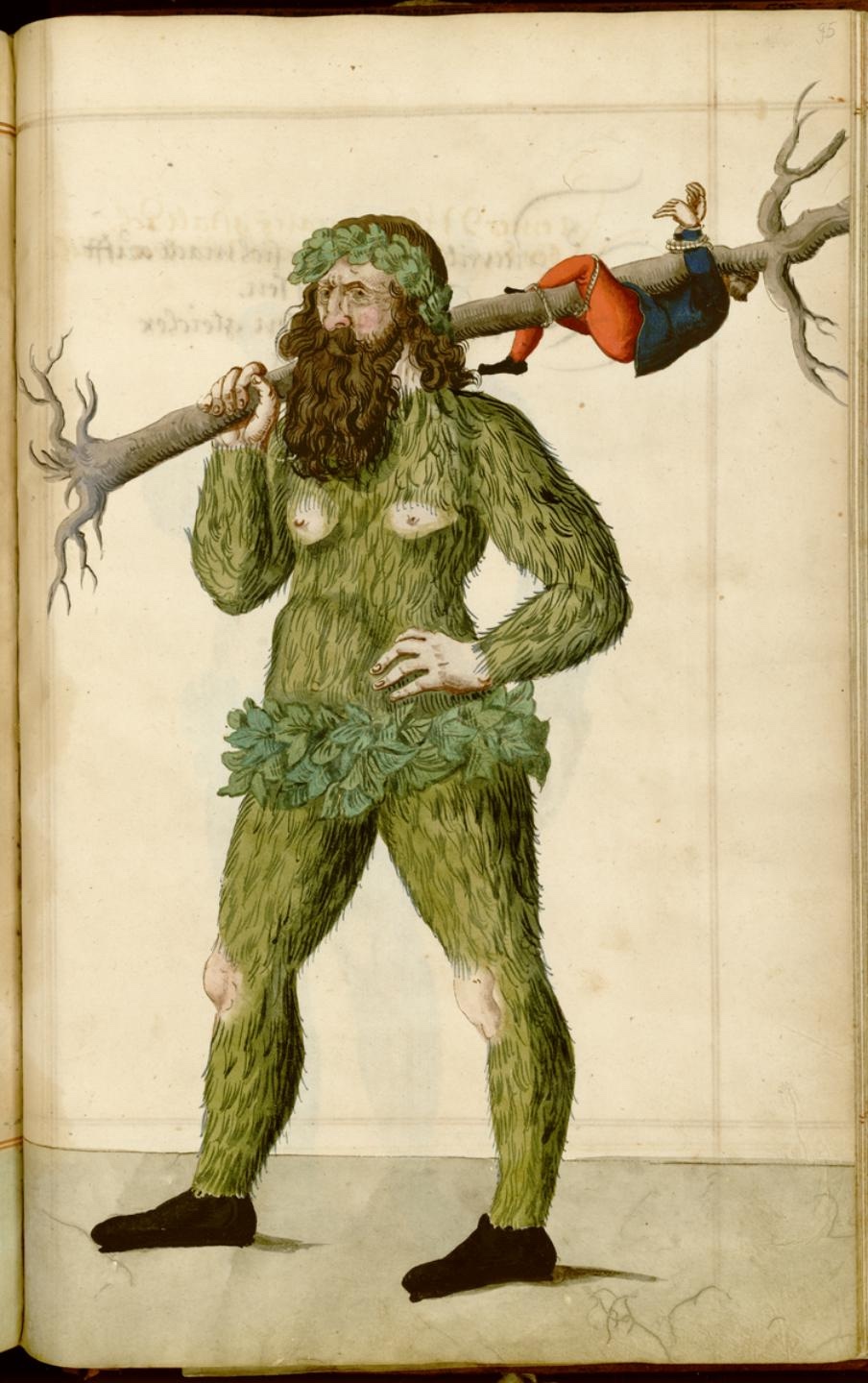
During the 15th-century, citizens of Nuremberg, Germany, experienced spectacular Carnival parades highlighted by the appearance of floats known as “hells.” Featuring immense figures, including dragons, ogres, and man-eating giants, these hells were also peopled with costumed performers and enhanced with mechanized effects and pyrotechnics.
In this episode, adapted from a chapter of Mr. Ridenour’s new book, A Season of Madness: Fools, Monsters and Marvels of the Old-World Carnival, we examine the Nuremberg parade, the Schembartlauf, as it evolves from costumed dance performances staged by the local Butcher’s Guild in the mid-1 4th-century into a procession of fantastic and elaborately costumed figures, and finally — in 1475 – into a showcase for the rolling hells.
We begin, however, with an examination of a historical anecdotes sometimes presented as forerunners of the Carnival parades, and of the Schembartlauf in particular, including two sometimes put forward to support a “pagan survival” theory. The first involves a ceremonial wagon housing a figure of the putative fertility goddess, Nerthus, hauled about by Germanic peoples in the first century and mentioned in Tacitus’ Germania. The second, also involving a wagon with fertility figure, is described by Gregory of Tours as being hauled through farmers’ fields in the 6th-century.
A third case involves the mysterious “land-ship,” a full-scale wheeled ship hauled from Germany into Belgium, and