Episode Details
Back to Episodes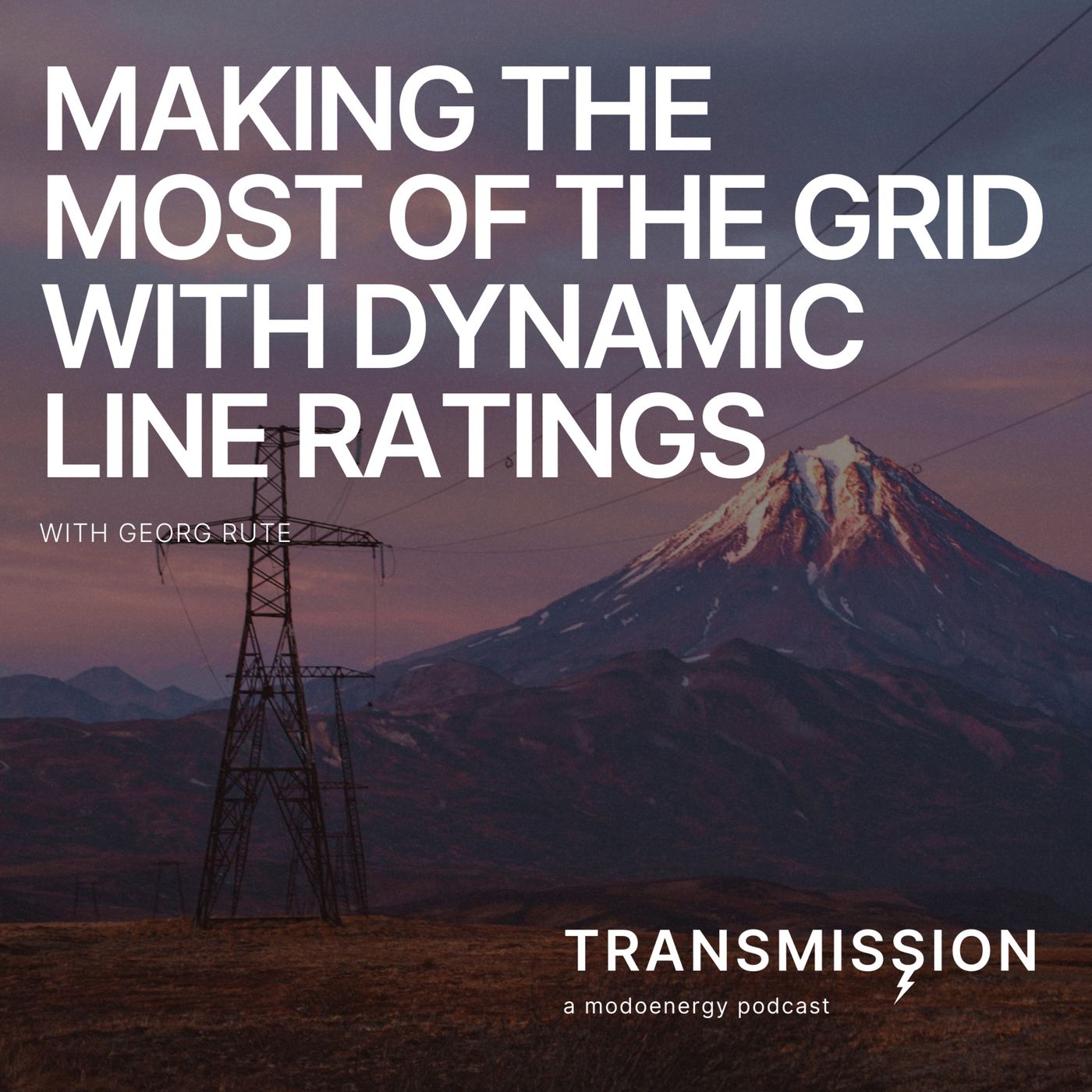
Making the most of the grid with Dynamic Line Ratings with Georg Rute (CEO @ Gridraven)
Episode 1
Published 1 year, 3 months ago
Description
As electricity demand rises and more renewables connect to the grid, transmission infrastructure is under pressure like never before. Building new lines takes time, but what if we could unlock more capacity from the ones we already have?Dynamic line ratings (DLR) are offering a smarter, faster path to grid optimisation. Harnessing AI-powered software enables transmission system operators to monitor real-time environmental conditions and safely increase the capacity of overhead lines. By replacing conservative static ratings with live data, DLR allows grid operators to unlock headroom, defer capital expenditure, and accelerate the integration of clean energy, all without adding new steel to the ground.In this episode of Transmission, Quentin sits down with Georg Rute, CEO and co-founder of Gridraven, to explore how dynamic line ratings. Over the course of the conversation, you’ll hear about:
- What dynamic line ratings are: How real-time monitoring of ambient conditions can safely increase the power-carrying capacity of existing transmission lines.
- -Why traditional ratings fall short: The limitations of static line ratings and the inefficiencies they introduce to grid operations.
- How Gridraven’s platform works: From weather modelling to digital twins and software-defined infrastructure.
- Scaling and system integration: How DLR fits into the broader landscape of grid optimisation and where it’s already delivering value.
- Why this matters now: As electrification and renewables drive transmission bottlenecks globally, DLR offers a rare chance to gain capacity quickly without breaking ground.