Episode Details
Back to Episodes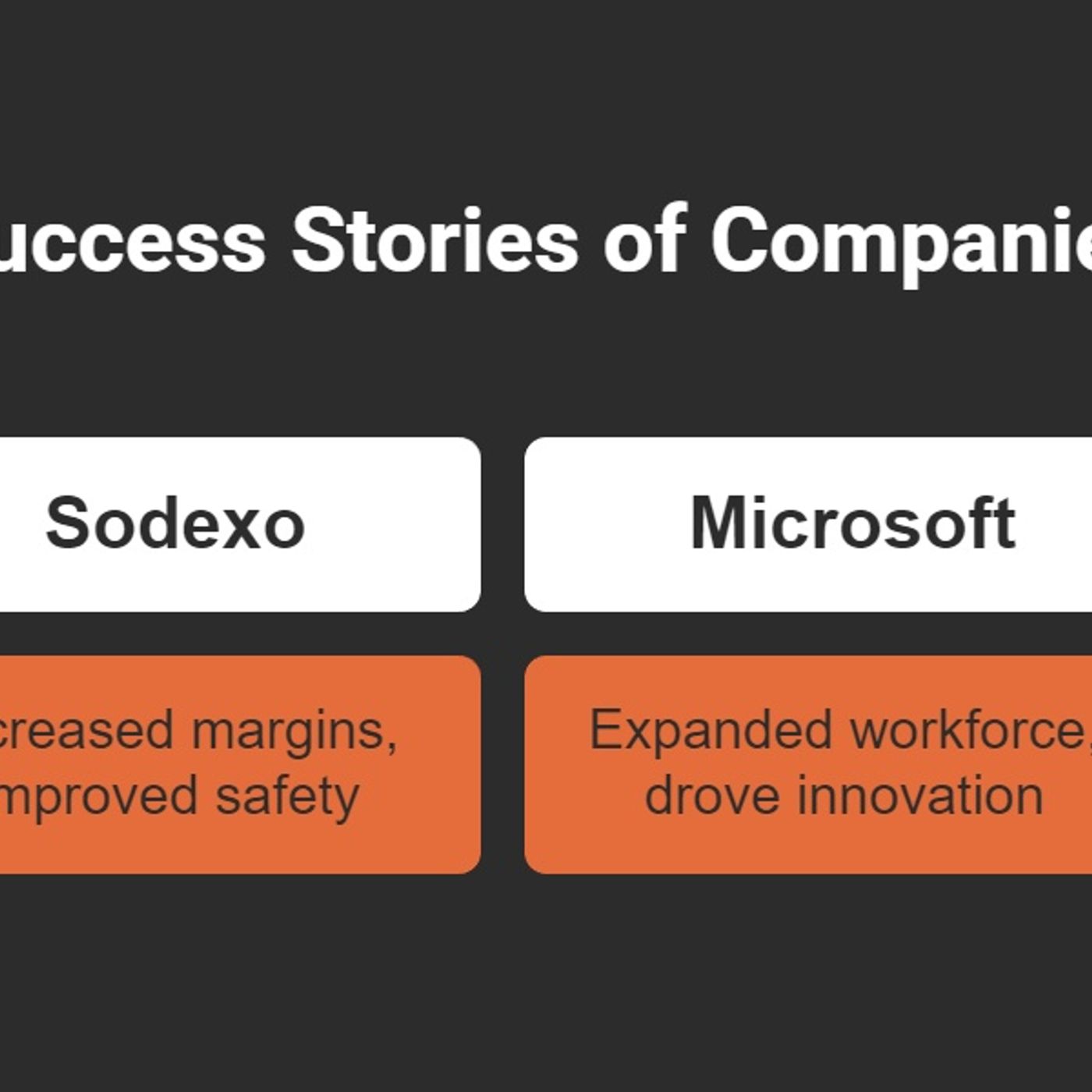
How Teams Governance Drives Collaboration and Success
Published 9 months, 1 week ago
Description
Imagine a workplace where every team operates in harmony, trust flourishes, and productivity soars. Teams governance holds the hidden power to make this vision a reality. It creates order by defining clear structures and roles, ensuring that collaboration thrives without chaos. Without it, organizations often struggle to gather meaningful metrics or maintain data quality. A well-implemented governance strategy enhances trust and safety while aligning teams with organizational goals. By focusing on the right tools and metrics, you can transform your team's potential into measurable success.Key Takeaways* Teams governance sets clear rules and roles to boost teamwork.* Check governance rules often to stay updated and work well.* Using good communication rules avoids confusion and keeps teams united.* Building accountability helps team members own their actions and work better.* Use technology to make governance easier and follow the rules.The Hidden Power of Teams GovernanceWhat Is Teams Governance?Teams governance refers to the structured framework that ensures collaboration tools, such as Microsoft Teams, operate efficiently and securely. It involves defining roles, responsibilities, and policies to manage team creation, data sharing, and communication protocols. By implementing governance, you create an environment where teams can collaborate effectively while maintaining control over sensitive information.Key components of teams governance include:* Customer: Managing user access and ensuring data privacy for individuals or organizations using your services.* Product: Establishing guidelines for how tools and features are utilized within teams.* Employee: Defining roles, compensation structures, and HR policies to align with organizational goals.* Sales: Monitoring transactions and revenue-generating activities to ensure compliance with company policies.Governance also involves a clear process for managing terms and policies:* Users or data stewards submit terms for review.* Subject matter experts evaluate the submissions.* The glossary owner approves the terms.* Approved terms are published in the business glossary for organizational use.This structured approach ensures that every team operates within a defined framework, reducing confusion and enhancing productivity.Why Governance Is Essential in Modern WorkplacesIn today’s fast-paced work environment, governance plays a critical role in maintaining order and efficiency. Without it, teams often face challenges such as miscommunication, data breaches, and inefficiencies. A well-governed system ensures that your organization remains compliant with regulations, protects sensitive data, and fosters a culture of accountability.Experts agree that governance frameworks significantly influence organizational culture. For example:* Transparency in decision-making improves trust among team members.* Ethical responsibility enhances the legitimacy of leadership.* Clear evaluation and reward systems boost employee morale and engagement.Consider the success stories of companies like
Listen Now
Love PodBriefly?
If you like Podbriefly.com, please consider donating to support the ongoing development.
Support Us