Episode Details
Back to Episodes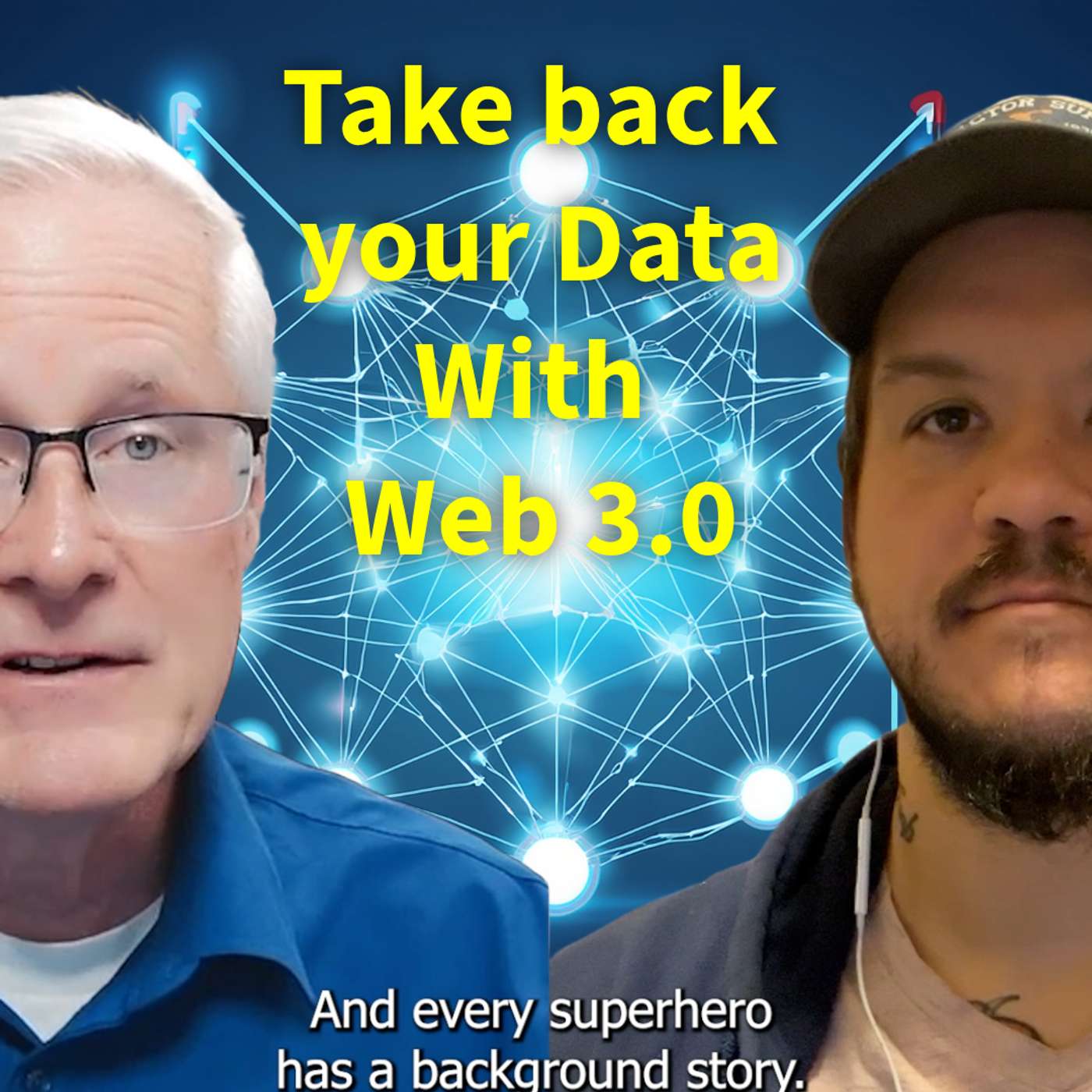
#261 Taking back your Data with Web3.0
Description
Check out my new book AI Augmented Teams on Amazon or on my website paidar.ai/books.
In this episode, Dr. Darren and Derek Anderson, from Bless Network, discuss the transformative nature of Web 3.0, focusing on user ownership of data, the shift from centralized to decentralized applications, and the implications for consumer behavior and business models. They explore the challenges of adoption and the potential for integration with AI technologies, highlighting the need for a new mindset in both developers and users. ## takeaways * Web 3.0 emphasizes user ownership of data. * Smart contracts are akin to stored procedures in databases. * Decentralization allows users to run applications on their own devices. * Data privacy can be enhanced through local data storage. * Consumers are often indifferent to the underlying technology. * The shift towards user ownership requires new business models. * Adoption challenges exist due to consumer awareness. * Gaming and peer-to-peer applications may drive early adoption. * Integration with AI could lead to innovative solutions. * The future of Web 3.0 is intertwined with advancements in technology.
In an age where data is often viewed as a commodity and internet platforms leverage personal information for economic gain, a significant shift towards data ownership is underway. This transformation largely revolves around the burgeoning concept of Web 3.0, characterized by decentralized internet protocols and user control over their data. This shift is not merely technical; it represents a paradigm change in how we perceive and engage with digital technologies. In this blog post, we will explore the implications of Web 3.0, especially in reclaiming ownership of personal data, its technical foundations, and the new opportunities it presents for innovation and user engagement.
The Shift Towards Data Ownership
Web 3.0 fundamentally redefines the relationship between users and their data. In the earlier internet paradigms — Web 1.0 and Web 2.0 — data ownership was predominantly with service providers. For example, every email you send via major platforms belongs to the company behind that service, allowing them to monetize your information while offering free access. However, the rise of Web 3.0 empowers individuals, providing them with the tools to retain ownership of their information.
This peer-to-peer network structure eliminates intermediaries, allowing users to manage their data on their terms. Users can now use decentralized networks to share and control their data while interacting with global platforms. This ownership model encourages a new sense of transparency and trust, as users can dictate who accesses their information without resorting to traditional “opt-in” mechanisms that often lack privacy controls.
The Technical Backbone of Decentralization
One of the cornerstones of Web 3.0 is the framework that allows for decentralized data sharing and applications. Blockchain technology is critical here, providing a secure and immutable way to manage transactions and data without relying on a central authority. The unique features of blockchain, including smart contracts, allow this decentralized ownership to function seamlessly.
In practice, the benefits of decentralization extend beyond mere data ownership. By utilizing technologies like IPFS (InterPlanetary File System), platforms can facilitate faster and more efficient data storage options that allow users to share files without bottlenecks typically associated with conventional centralized servers. Essentially, these technologies enable a distributed computing environment where anyone can operate and maintain nodes, effectively turning consumers into users and providers of digital services.
Empowering Innovation and User Engagement
Listen Now
Love PodBriefly?
If you like Podbriefly.com, please consider donating to support the ongoing development.
Support Us