Episode Details
Back to Episodes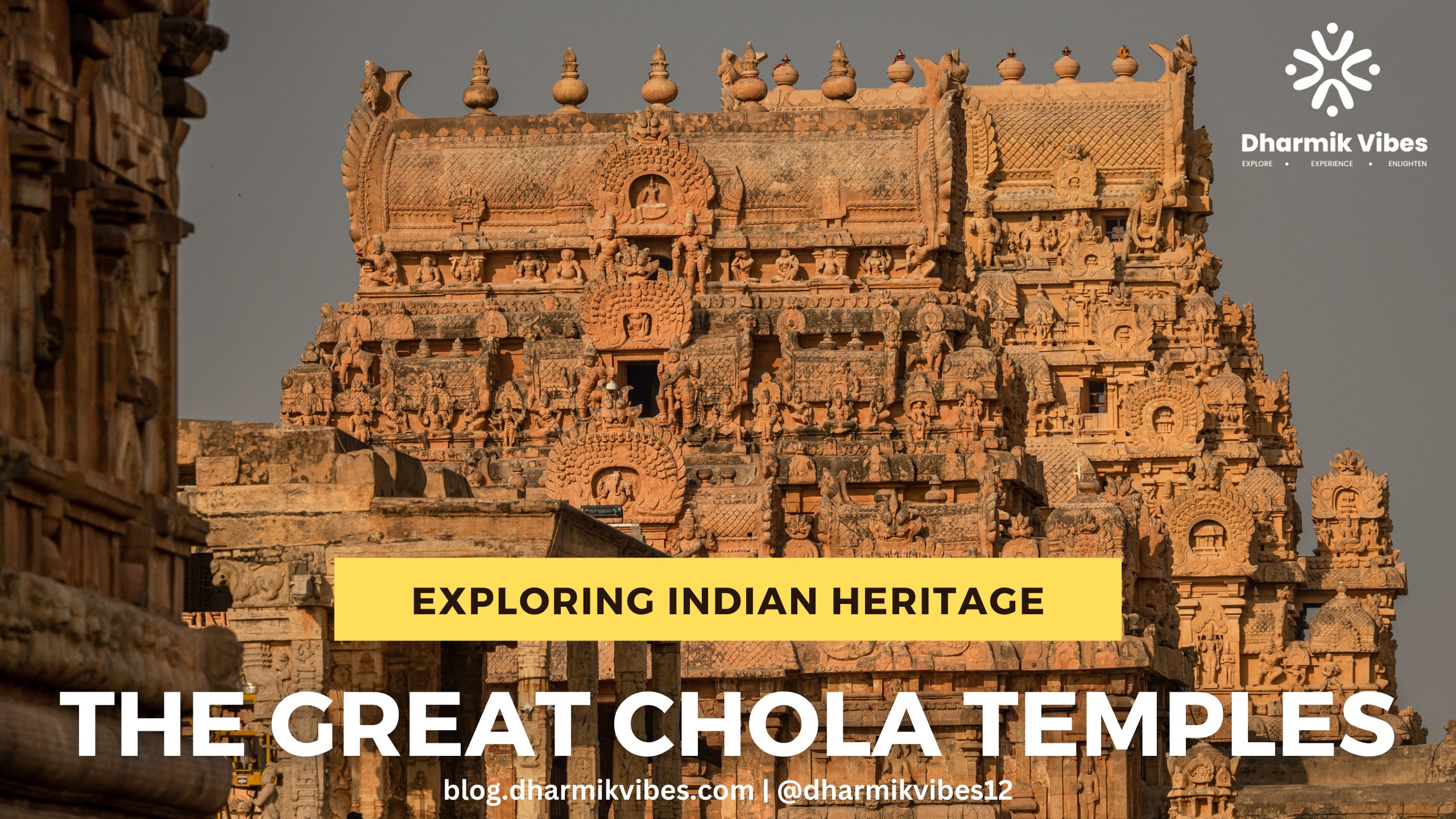
Explore The Majestic Heritage of Chola Temples in India
Description
India’s cultural and architectural heritage is unparalleled, and the Chola dynasty’s contributions stand as a testament to its glorious past. The Chola temples, known for their grandeur, intricate artistry, and spiritual significance, are a marvel of South Indian architecture and culture. This article delves into the history, significance, timeline, and essence of Chola temples in daily life while listing key temples, attractions, rituals, and tips for visitors.
History of Chola Temples
The Chola dynasty ruled large parts of southern India between the 9th and 13th centuries, with their empire extending to Southeast Asia, including parts of present-day Indonesia, Sri Lanka, and Malaysia. Their reign is often referred to as the Golden Age of Tamil culture, art, and architecture. The Chola kings, devout patrons of Shaivism, constructed numerous temples to honor Lord Shiva, though other deities like Vishnu and Durga also found a place in their grand sanctuaries.
The Cholas followed the Pallava tradition but elevated temple architecture to new heights by introducing towering vimanas (temple towers), pillared halls, and vast courtyards. Their architects perfected the Dravidian style, creating temples that not only stood as places of worship but also as symbols of divine kingship and cosmic order. The temples reflected the idea that the king was a divine representative, and the temples served as both political and religious centers.
Chola inscriptions on temple walls document administrative details, land grants, temple construction, and social orders. These temples became centers for economic redistribution, with significant donations made to maintain and expand temple services. The Chola kings also ensured temple construction as a way to consolidate power and assert their authority across the regions.
Timeline of Chola Temples
* Early Chola Period (850–970 CE):Temples during this era were modest in size but marked the evolution of Dravidian architecture. Examples include the Vijayalaya Choleeswaram.
* Medieval Chola Period (970–1070 CE):The grand Brihadeeswarar Temple at Thanjavur, built by Raja Raja Chola I, epitomizes this period. Temples became larger and more elaborate.
* Later Chola Period (1070–1279 CE):Temples like the Gangaikonda Cholapuram and Airavatesvara Temple showcased advanced engineering, artistic expression, and integration of cultural motifs.
Significance of Chola Temples
* Architectural Brilliance:The temples represent the zenith of Dravidian temple architecture, blending symmetry, proportion, and ornamentation.
* Spiritual Essence:Chola temples embody the core of Hindu dharma, emphasizing devotion (bhakti), righteousness (dharma), and the eternal cosmic order (rita). The temples were built to align with Vastu Shastra and Agama traditions, reflecting the sacred geometry of the universe. The towering vimanas symbolized Mount Meru, the mythological center of the universe in Hindu cosmology.
* Manifestation of Divine Power:In Hinduism, temples are viewed as earthly abodes of gods. Chola temples, with their sanctum sanctorum (garbhagriha) housing lingams or deities, reflect the belief in divine presence and cosmic balance. The rituals conducted reinforce the continuous cycle of creation, preservation, and destruction—symbolizing the eternal dance of Lord Shiva (Nataraja).
* Cultural Legacy:The temples preserve ancient Tamil inscriptions, literature, and art, serving as historical archives.
* Community and Economy:In their heyday, these temples were centers of education, social welfare, and economic activity, employing artisans, dancers, and priests. Temples also played a vital role in redistributing wealth, as land endowments and donations funded la