Episode Details
Back to Episodes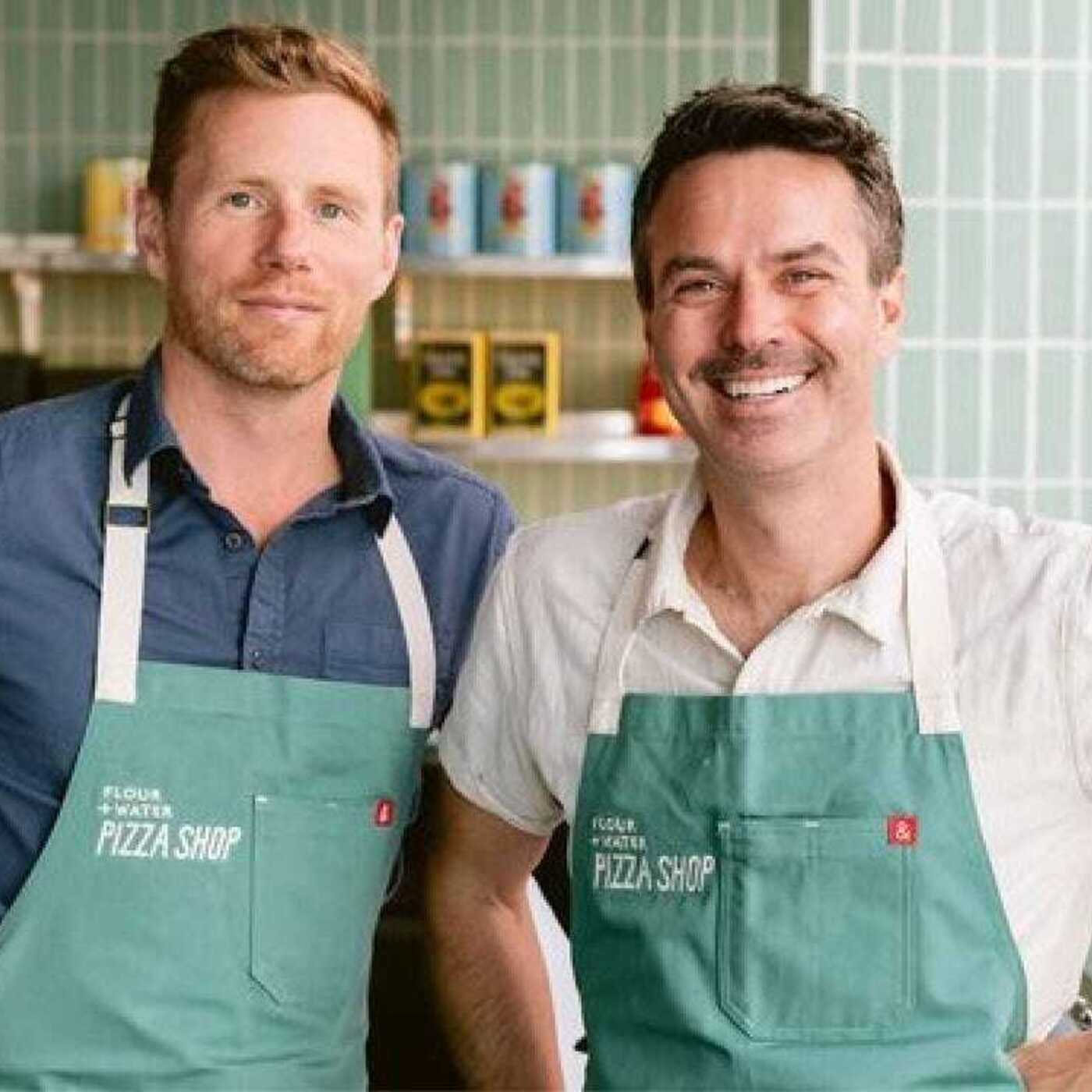
Thomas McNaughton & Ryan Pollnow's Five Rules For Cooking Pasta Like A Pro
Description
Darin sits down with Thomas McNaughton and Ryan Pollnow, the pasta-obsessed legends behind San Francisco’s Flour + Water Hospitality Group. They share their five rules for cooking pasta like a pro, including why your water needs way more salt than you think, why bronze dies matter, and how not to mess up fresh noodles (spoiler: it includes drying them a little). It’s part masterclass, part love letter to carbs, and all delicious. If your pantry has a box of pasta in it (and let’s be honest, it does), this one’s for you.
Transcript
[00:00:00] Darin, Hello, and welcome to Five Rules for the Good Life. I'm your host, Darin Bresnitz. Today, we chat with our old friends, Thomas McNaughton and Ryan Pollnow, co-chefs of the Flour and Water Hospitality Group up in San Francisco, which includes the legendary Flour& Water, the incredible Penny Roma and the recently opened Flour And Water Pizzeria. We chat about their undying love for pasta. The amazing amount of shapes that they make in their restaurants and they share their tips on how to cook pasta perfectly at home every single time. Let's get into the rules. Thomas and Ryan, so great to be sitting down again with you guys and congratulations on the Flower and Water Pizza Shop for nothing but great things and yet another reason why I got to get up north to check it out and see it and see you guys.
[00:00:55] Thomas Yeah, appreciate you having us again.
[00:00:57] Darin You know, I first met you guys back in 2012 through the Noisette Food and Music Festival that we put on, had you guys be part of. And when I first met you, it was really all about the pasta. Can you talk to me about how pasta has really been a guiding force and North Star for you guys throughout your cooking career?
[00:01:14] Thomas You know, when we opened Flower and Water in 2009, and it was really cemented very early on at the heart of the menu was our pasta program. About nine months in, we opened a dough room to handle volume, and it's just kind of been a roller coaster ever since.
[00:01:29] Darin Now, is it true that you make a hundred unique pasta shapes?
[00:01:34] Ryan We've exaggerated that a touch. We're almost at a hundred, which every year we're adding to the repertoire. The moment you start diving into the history of pasta and regionality, it's just the type of thing that really intrigues Tom and I as.
[00:01:48] Thomas The educational side of cooking. The humble nature of Ryan will always come out. I think that our manual's at like 92, 94 right now.
[00:01:55] Darin Okay. All right. I mean, that's a rounding error.
[00:01:58] Thomas Damn near. Let's call it damn near. Yeah. Yeah, it's called damn near a hundred. You said a hundred, he made it sound like 40. It's about 92.
[00:02:05] Darin Yeah, yeah, let's call it 92 with plus or minus of 8, and that gets us to 100.
[00:02:11] Thomas And there's a trust in diners, you know, there's so many of these odd shapes that people can't even pronounce. Yes. But once you put it into that pasta category, put it within that box, there's trust that's already established to give it a try.
[00:02:24] Darin There's something about being a diner at a restaurant that makes pasta and eating the way it's prepared in a restaurant that somehow differs from the way that I cook it at home. It's somehow intimidating. Why do you think people don't always cook pasta as well as you can at a restaurants?
[00:02:40] Thomas Part of the reason why we're here today is to really talk about simple tricks and tips to be able to do that. And when you separate into dried and fresh pasta, we always say when you learn these little tricks and you just practice and practice,