Episode Details
Back to Episodes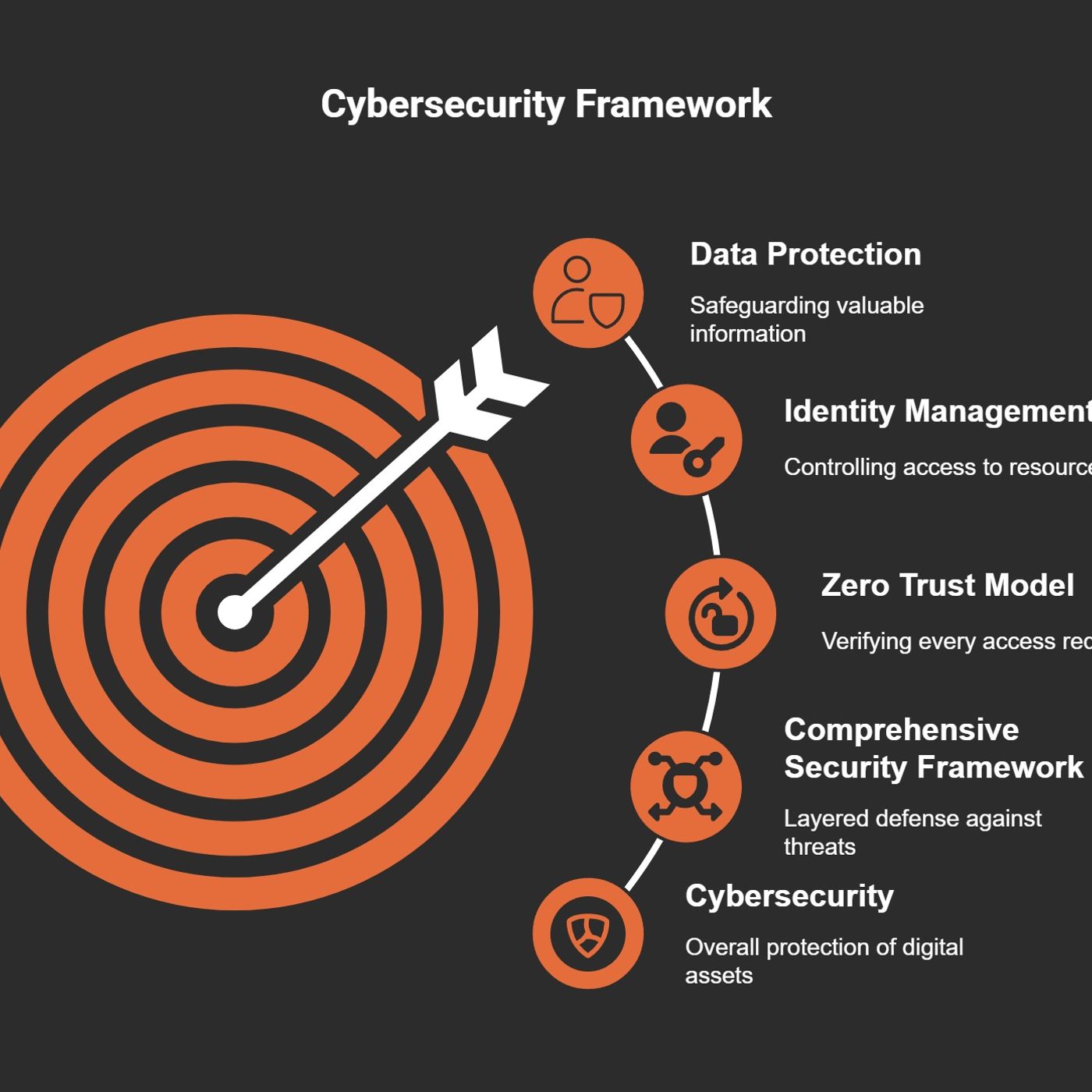
SC‑900 cybersecurity essentials: use identity, Zero Trust, and Microsoft cloud security to survive “We’ve been hacked” moment
Season 1
Published 1 year, 3 months ago
Description
“We’ve been hacked.” In this episode of M365.fm, Mirko Peters takes you from that sick feeling in your stomach to a structured view of modern cybersecurity, using his own first breach scare and the SC‑900 certification as a lens for what actually matters today. He starts in the war room: nervous meetings, incomplete logs, and the realization that one weak password, one missing control, or one unprotected account can compromise an entire organization in minutes.
From there, he zooms out to the current threat landscape. Phishing, ransomware, and supply‑chain attacks have replaced the old “build a big firewall and hope” mindset, with real‑world cases like Colonial Pipeline proving that a single credential can shut down critical infrastructure. Mirko explains why defense in depth—multiple layers of controls across identity, devices, data, and apps—is no longer optional but the baseline for surviving inevitable incidents.
Identity quickly emerges as the new perimeter. Mirko uses examples like the Twitter breach to show how attackers now target people more than networks, and why Microsoft Entra ID (formerly Azure AD) sits at the center of modern defense. Features like Single Sign‑On, Multi‑Factor Authentication, and Conditional Access are not “nice extras” but the locks and alarm systems on every digital door, radically reducing the blast radius when a password is stolen.
The episode then connects these concepts back to SC‑900. Mirko walks through how the certification frames identity, threat protection, information protection, and compliance as one coherent security story rather than four separate silos. You hear how studying for SC‑900 forces you to understand identity management, encryption, Zero Trust, and regulatory requirements as pieces of one puzzle, and why that mindset pays off far beyond the exam.
Throughout, Mirko emphasizes that certifications are tools, not trophies. SC‑900 gives you vocabulary and structure to talk about security with leadership, choose Microsoft cloud controls that actually match your risks, and design a roadmap from perimeter‑only thinking to Zero Trust. The goal is not just to pass a test, but to be ready for the next time someone says, “We’ve been hacked”—and have both the language and the architecture to respond.
WHAT YOU WILL LEARN
You cannot firewall your way out of today’s threats. Once you treat identity as your new perimeter and use SC‑900’s stru
From there, he zooms out to the current threat landscape. Phishing, ransomware, and supply‑chain attacks have replaced the old “build a big firewall and hope” mindset, with real‑world cases like Colonial Pipeline proving that a single credential can shut down critical infrastructure. Mirko explains why defense in depth—multiple layers of controls across identity, devices, data, and apps—is no longer optional but the baseline for surviving inevitable incidents.
Identity quickly emerges as the new perimeter. Mirko uses examples like the Twitter breach to show how attackers now target people more than networks, and why Microsoft Entra ID (formerly Azure AD) sits at the center of modern defense. Features like Single Sign‑On, Multi‑Factor Authentication, and Conditional Access are not “nice extras” but the locks and alarm systems on every digital door, radically reducing the blast radius when a password is stolen.
The episode then connects these concepts back to SC‑900. Mirko walks through how the certification frames identity, threat protection, information protection, and compliance as one coherent security story rather than four separate silos. You hear how studying for SC‑900 forces you to understand identity management, encryption, Zero Trust, and regulatory requirements as pieces of one puzzle, and why that mindset pays off far beyond the exam.
Throughout, Mirko emphasizes that certifications are tools, not trophies. SC‑900 gives you vocabulary and structure to talk about security with leadership, choose Microsoft cloud controls that actually match your risks, and design a roadmap from perimeter‑only thinking to Zero Trust. The goal is not just to pass a test, but to be ready for the next time someone says, “We’ve been hacked”—and have both the language and the architecture to respond.
WHAT YOU WILL LEARN
- Why modern cybersecurity is about inevitability of incidents, not perfect prevention.
- How real‑world breaches like Colonial Pipeline highlight the cost of one weak identity.
- Why identity (and Microsoft Entra ID) has become the true security perimeter.
- How defense in depth, Zero Trust, and layered controls show up inside the SC‑900 content.
- How SC‑900 helps you explain and design a practical Microsoft cloud security framework.
You cannot firewall your way out of today’s threats. Once you treat identity as your new perimeter and use SC‑900’s stru