Episode Details
Back to Episodes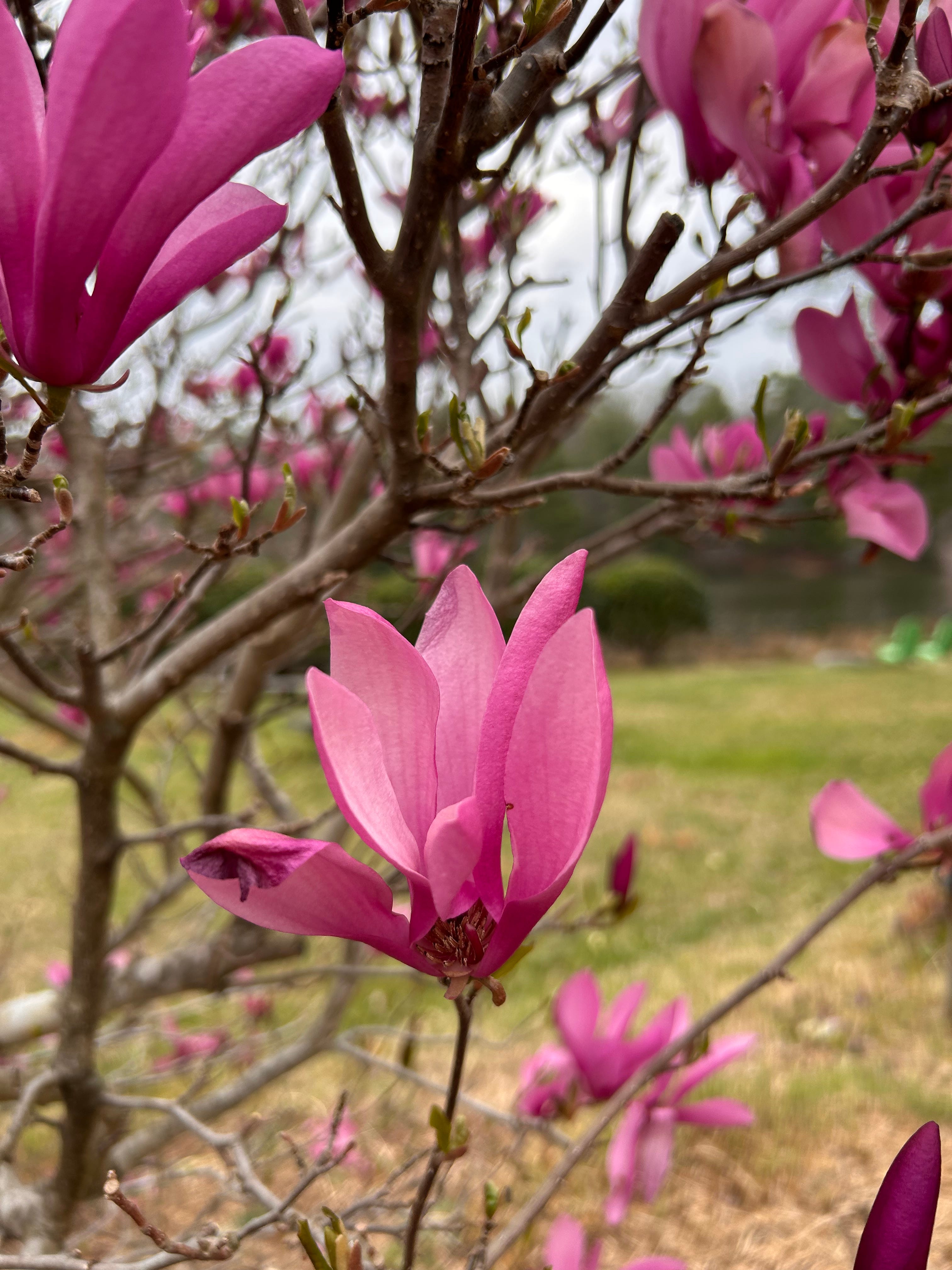
What's Real?
Description
What is real? What is true?
These questions are fundamental to the spiritual path, to the path of awakening.
There is much confusion in our world right now. Blatant lies or mis-truths are being thrown around about immigrants rights, dei, trans and queer people, how the economy works, science, climate change, you name it…
The question of what is real in a spiritual sense invites us to look into the basic assumptions we make about the nature of reality. This is relevant in our considerations of the real and the true.
How do we know something is true?
In Buddhist teaching there is a concept called Maya. Maya means illusion, fantasy, dream. Maya is used to describe what we call reality.
It’s illusory, dream-like.
I think this teaching may be one of the most radical teachings in buddhism. If we really take it in and practice it, it invites us to question all the assumptions that we make about who we are, what we are doing and what we consider real.
It also asks us to consider, well what is a dream? What is an illusion? What is fantasy?
To me these are interesting and rich contemplations. As I think they were for many of the great mystics and spiritual practitioners throughout the ages. Practitioners and contemplatives like Longchempa, Dogen Zenji, CG Jung and Ursula K le Guin to name a few.
I recently stumbled upon a piece of writing from Ursula K le Guin where she consults the OED in order to better understand the meaning of fantasy. I was fascinated to hear the wide ranging definitions for this word. The definition ranges from “the image of perception impressed on the mind by an object of the sense” to “a mental image” to a “spectral apparition, phantom; illusory appearance” to “a daydream arising from the unconscious” to “a product of the imagination”.
These definitions of fantasy are relevant to the many layers of Maya in Buddhist practice.
Fantasy (and Maya) include really basic experiences like perception and mental formation—how we create reality or see/sense the world—as well as imagination, the ability to dream or create something that doesn’t exist, to the ways that we escape or get lost in our own delusions.
Dogen Zenji says there is a dream within a dream prior to all dreams.
To further explore this theme of dreams within dreams or fantasies within fantasies, I would like to share a koan.
Nan Ch’uan’s Like a Dream
An officer from the monastery was talking with Nan Ch’uan and said, “The Great Teacher Chao said, ‘Heaven, earth, and I have the same root; myriad things and I are one body.’ This is quite marvelous.”
Nan Ch’uan pointed to a flower in the garden. He called to the officer and said, “People these days see this flower as a dream.
There are many layers to this illusion, to this dream that Nan Ch’uan is referencing.
Daydreams, future plans, worries, past regrets, judgments all prevent us from seeing the flower that is right in front of us.
Projections are another form of our mental dreaming, our mind-made illusions, where we misperceive someone based on our own fears or insecurities. We turn people, places, even flowers into nightmarish or godly characters in our own personal world of illusion.
We also at times fail to see what is right in front of us because we know too much information. Instead of seeing the flower, smelling the soil, feeling the breeze on our face. Our mind starts talking about the latin name, the history of cultivation, names used in other cultures throughout time. Sometimes our knowledge can enhance curiosity and bring us deeper into the direct experience, other times our knowledge can prevent us from being here, in the flowerness(ness), in our bodies, in our hearts.
The more subtle dreams that Nan Ch’uan is poin