Episode Details
Back to Episodes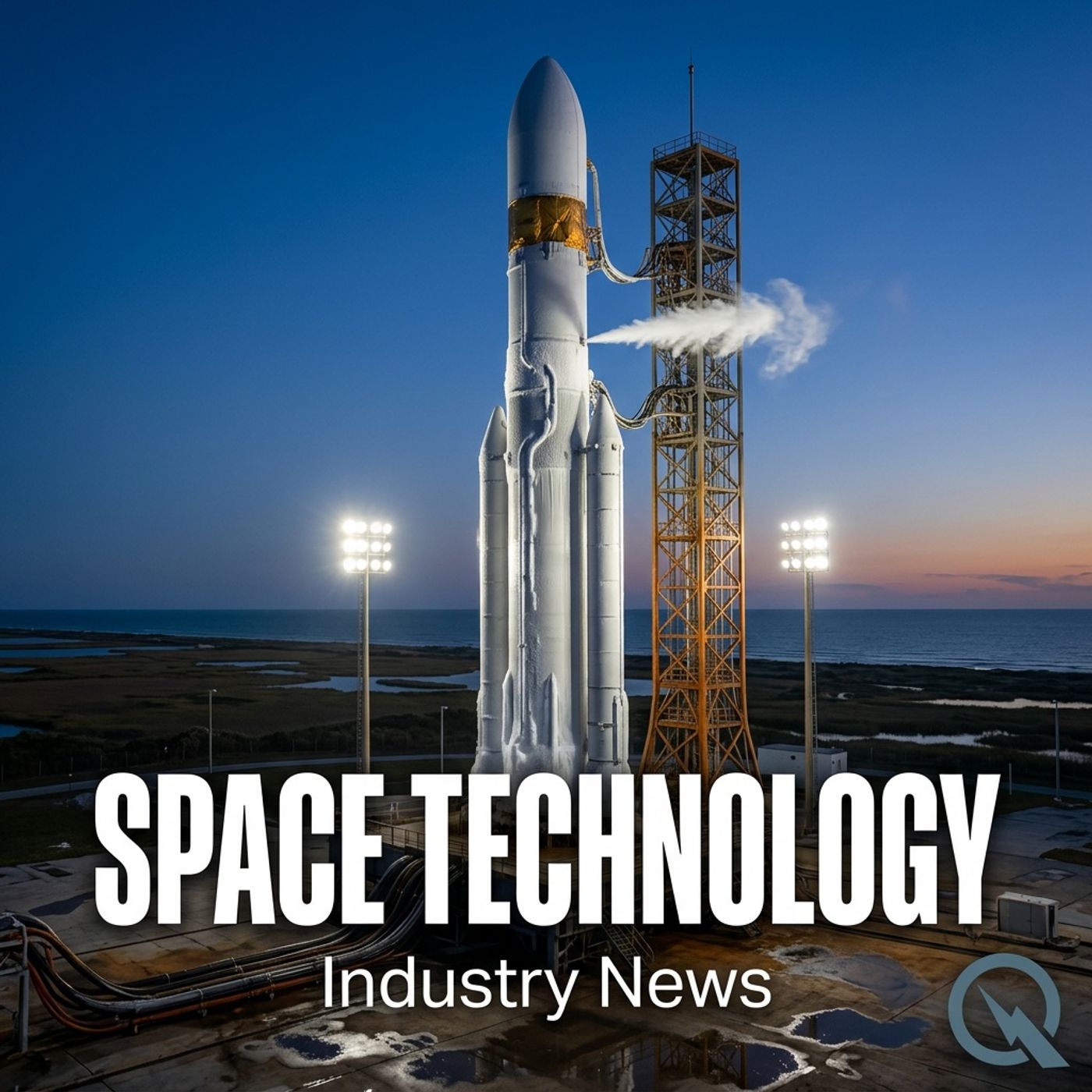
Navigating the Transformative Landscape of Space Tech: Insights from the 40th Space Symposium
Published 1 year ago
Description
The space technology industry is experiencing dynamic developments over the past 48 hours, with significant market movements, new launches, and an evolving competitive landscape.
On April 9, Amazon's Project Kuiper launched its first operational satellites, marking a critical step in the broadband satellite race. The project aims to rival SpaceX’s Starlink with a constellation of more than 3,200 satellites, and the inaugural batch of 27 was launched using United Launch Alliance’s Atlas V rocket. This milestone highlights Amazon’s growing presence in the satellite internet market, which remains a fiercely competitive space[1].
At the 40th Space Symposium in Colorado Springs, ongoing from April 7 to April 10, leaders from agencies, industries, and governments are convening to discuss cutting-edge technologies and pressing challenges. This year’s focus includes advancements in artificial intelligence, cybersecurity, and space resilience, with over 6,000 attendees and 500 speakers present. Notably, new launch vehicles like ULA's Vulcan and SpaceX's Starship are shaping the conversation on reducing costs and boosting payload capacities, which could disrupt the industry’s economics significantly[7][5].
In terms of regulatory developments, Jared Isaacman, a private spaceflight pioneer, is undergoing Senate confirmation as NASA Administrator. If appointed, his experience in private-sector innovation could forge stronger ties between private companies and NASA’s missions, reflecting the trend of public-private collaboration in space exploration[1][5].
Emerging competitors and supply chain shifts are also reshaping the industry. While SpaceX maintains a dominant position, new players like Rocket Lab and Blue Origin are ramping up their launch frequencies, addressing demand driven by mega-constellations. However, delays with Europe’s Ariane 6 and Russia’s withdrawal from commercial markets underline ongoing supply chain constraints and geopolitical impacts[5][2].
Consumer behavior in satellite communications is evolving, driven by affordability and innovations like SpaceX's Starlink Mini. While Starlink grows, with an additional one million customers in four months, competitors struggle to retain users—a sign of growing consolidation within satellite internet services[2].
In comparison to previous quarters, 2025 so far exhibits accelerated private sector participation and faster development cycles for mega-constellations, while regulatory policies and collaboration models are pivoting towards commercialization. The industry leaders at the Space Symposium are emphasizing adaptation, innovation, and partnerships to overcome current challenges and sustain long-term growth[7][5].
This content was created in partnership and with the help of Artificial Intelligence AI
On April 9, Amazon's Project Kuiper launched its first operational satellites, marking a critical step in the broadband satellite race. The project aims to rival SpaceX’s Starlink with a constellation of more than 3,200 satellites, and the inaugural batch of 27 was launched using United Launch Alliance’s Atlas V rocket. This milestone highlights Amazon’s growing presence in the satellite internet market, which remains a fiercely competitive space[1].
At the 40th Space Symposium in Colorado Springs, ongoing from April 7 to April 10, leaders from agencies, industries, and governments are convening to discuss cutting-edge technologies and pressing challenges. This year’s focus includes advancements in artificial intelligence, cybersecurity, and space resilience, with over 6,000 attendees and 500 speakers present. Notably, new launch vehicles like ULA's Vulcan and SpaceX's Starship are shaping the conversation on reducing costs and boosting payload capacities, which could disrupt the industry’s economics significantly[7][5].
In terms of regulatory developments, Jared Isaacman, a private spaceflight pioneer, is undergoing Senate confirmation as NASA Administrator. If appointed, his experience in private-sector innovation could forge stronger ties between private companies and NASA’s missions, reflecting the trend of public-private collaboration in space exploration[1][5].
Emerging competitors and supply chain shifts are also reshaping the industry. While SpaceX maintains a dominant position, new players like Rocket Lab and Blue Origin are ramping up their launch frequencies, addressing demand driven by mega-constellations. However, delays with Europe’s Ariane 6 and Russia’s withdrawal from commercial markets underline ongoing supply chain constraints and geopolitical impacts[5][2].
Consumer behavior in satellite communications is evolving, driven by affordability and innovations like SpaceX's Starlink Mini. While Starlink grows, with an additional one million customers in four months, competitors struggle to retain users—a sign of growing consolidation within satellite internet services[2].
In comparison to previous quarters, 2025 so far exhibits accelerated private sector participation and faster development cycles for mega-constellations, while regulatory policies and collaboration models are pivoting towards commercialization. The industry leaders at the Space Symposium are emphasizing adaptation, innovation, and partnerships to overcome current challenges and sustain long-term growth[7][5].
This content was created in partnership and with the help of Artificial Intelligence AI