Episode Details
Back to Episodes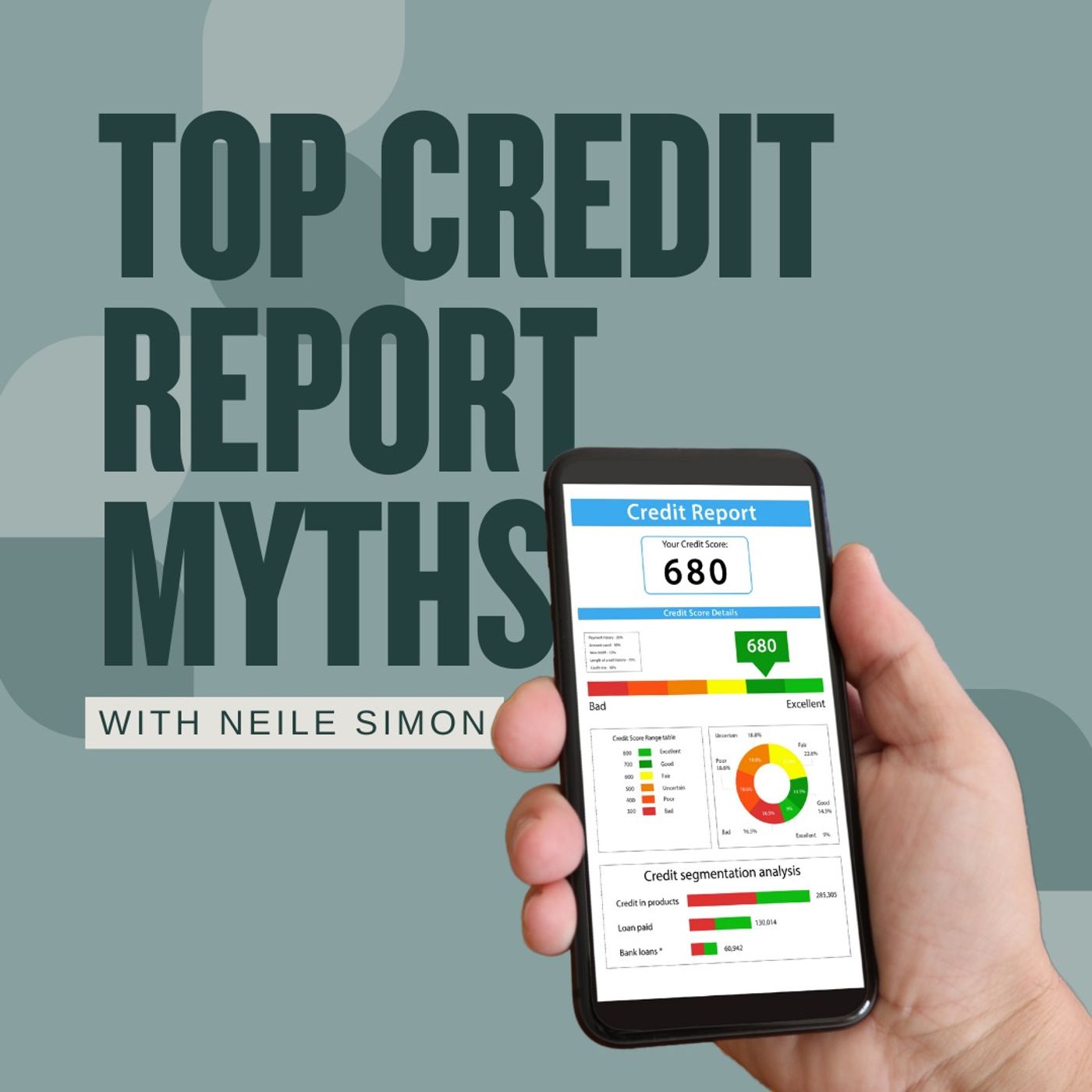
Top Credit Report Myths with Neile Simon
Description
What do Bigfoot and credit reports have in common? They’re each the subject of many myths.
We don’t know much about 8-foot furry creatures, but we can dispel some of the folklore about credit and credit reports. Neile Simon is here to help us do that today.
Neile Simon is a Certified Credit Counselor with Christian Credit Counselors (CCC), an underwriter of Faith & Finance.
If you've ever wondered whether closing a credit card boosts your score or if credit counseling hurts your credit, you're not alone. Let's dive into these common misconceptions and separate fact from fiction.
Myth #1: Paying Off Debt Instantly Improves Your Credit Score
It’s a common belief that paying down debt will immediately result in a perfect credit score. However, credit improvement takes time because credit scores are based on your payment history.
Reality: Your credit report gives lenders a snapshot of how responsibly you've managed debt over time. Consistently paying bills on time is the best way to build and maintain a strong score—but it won’t happen overnight.
Tip: Be cautious of anyone claiming they can “fix” your credit instantly. No legitimate company can erase negative (but accurate) information from your credit history overnight.
Myth #2: Credit Counseling Destroys Your Credit Score
Many people worry that seeking credit counseling will harm their credit score.
Reality: Enrolling in a credit counseling program is a neutral mark on your credit report and does not directly affect your score. Closing accounts impacts your score, so working with an accredited nonprofit organization is essential to develop a plan that keeps your credit intact. That’s why Christian Credit Counselors is the only organization we recommend for credit counseling and debt management.
Tip: Avoid paying for expensive credit monitoring or identity protection services. You can monitor your credit for free through reputable sources.
Myth #3: Canceling Credit Cards Boosts Your Score
Many people believe that closing old or unused credit cards is a responsible move, but it can actually hurt their credit scores.
Reality: Lenders want to see two or three active credit lines. Closing credit cards reduces your available credit, which can negatively impact your score by increasing your credit utilization ratio (the percentage of available credit you're using).
Tip: Keep zero-balance accounts open unless they charge an annual fee. If you must close an account, do so gradually—perhaps one every six months—to minimize the temporary impact on your score.
Myth #4: Too Many Inquiries Hurt Your Score
While excessive hard inquiries (when lenders check your credit for a loan or credit card application) can lower your score, not all inquiries count against you.
Reality: Credit bureaus recognize rate shopping—for example, when you're comparing mortgage or auto loan rates. If you make multiple inquiries within a 45-day window, they count as one single inquiry, not multiple.
Tip: Always shop around for the best loan terms without worrying about multiple hits to your credit score.
Myth #5: Checking Your Own Credit Report Hurts Your Score
Many consumers avoid