Episode Details
Back to Episodes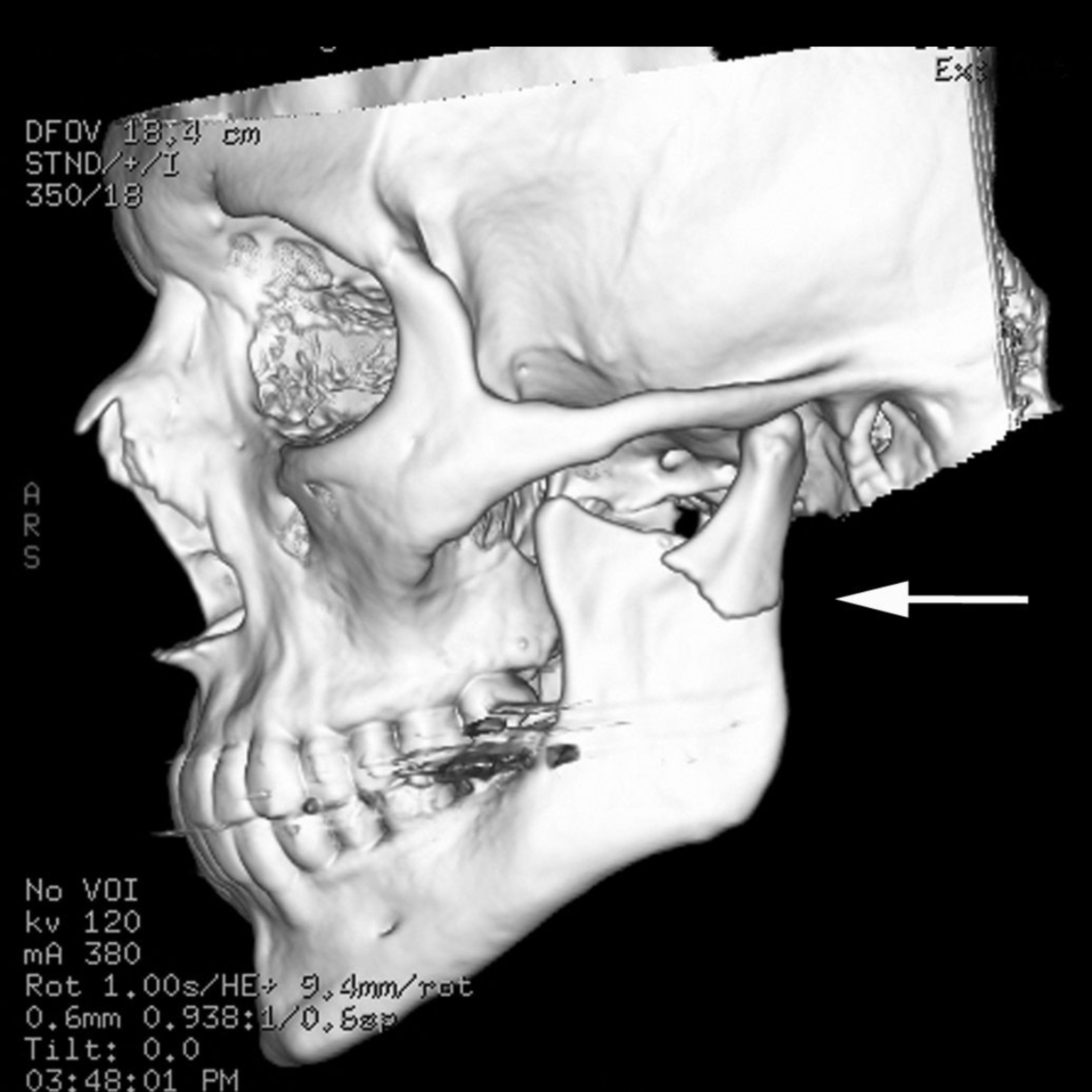
📝 “What Are Primary Surgical Options To Repair A Subcondylar Fracture?”
Description
Quick Review #272 - #surgery #surgeon #doctorgallagher #oralsurgery #oralsurgeon #omfs #dentist #dentistry #dental
- 3.19.25
The primary treatment options for reducing a subcondylar neck/ramus fracture include both open and closed techniques, with the choice depending on factors such as displacement, occlusion, functional needs, and associated injuries.
1. Open Reduction and Internal Fixation (ORIF)
• Indication: ORIF is recommended for significantly displaced fractures, functional deviation, occlusal discrepancies, or bilateral condylar fractures with a risk of open bite.
• Technique: A preauricular, retromandibular, or transoral approach is commonly used to expose the fracture, followed by fixation using mini-plates or lag screws.
Advantages:
• Direct visualization of the fracture
• Anatomical reduction and rigid fixation
• Immediate function restoration
Disadvantages:
• Surgical risks: facial nerve injury, scarring, and infection
• Longer operative time
2. Closed Reduction with Maxillomandibular Fixation (MMF)
• Indication: Non-displaced or minimally displaced fractures, patients with contraindications for surgery, or pediatric cases.
• Technique: Application of arch bars, intermaxillary elastics, or Erich arch bars to maintain occlusion for 2–4 weeks.
Advantages:
• Minimally invasive, avoiding surgical risks
• Effective in stable fractures
Disadvantages:
• Prolonged immobilization can lead to TMJ dysfunction or ankylosis
• Patient discomfort, requiring dietary modification
3. Functional Treatment (Early Mobilization with Guiding Elastics)
• Indication: Minimally displaced fractures, particularly in children or cooperative adults.
• Technique: Uses guiding elastics or occlusal splints to assist in functional adaptation while allowing controlled motion.
Advantages:
• Avoids rigid immobilization
• Reduces risk of TMJ stiffness or ankylosis
Disadvantages:
• Requires patient compliance
• Not suitable for significantly displaced fractures
References:
1. Foster, C. M. B., & Chew, F. S. (2016). Fractures and dislocations of the face. In Broken Bones: The Radiologic Atlas of Fractures and Dislocations (pp. 318–339). Cambridge University Press.
2. Bayat, M., Parvin, M., & Meybodi, A. A. (2016). Mandibular subcondylar fractures: A review on treatment strategies. Electronic Physician, 8(10), 3144–3149
3. Oyer, S. L., & Boochoon, K. S. (2023). Treatment of subcondylar fractures of the mandible: A shifting paradigm. AAO-HNS Bulletin
4. Kuang, S.-J., He, Y.-Q., Zheng, Y.-H., & Zhang, Z.-G. (2019). Open reduction and internal fixation of mandibular condylar fractures: A national inpatient sample analysis, 2005–2014. Medicine, 98(37), e16814
5. ChatGPT. 2025
#podcast #dentalpodcast #doctorgallagherpodcast #doctorgallagherspodcast #doctor #dentist #dentistry #oralsurgery #dental #dentalschool #dentalstudent #doctorlife #dentistlife #oralsurgeon #doctorgallagher