Episode Details
Back to Episodes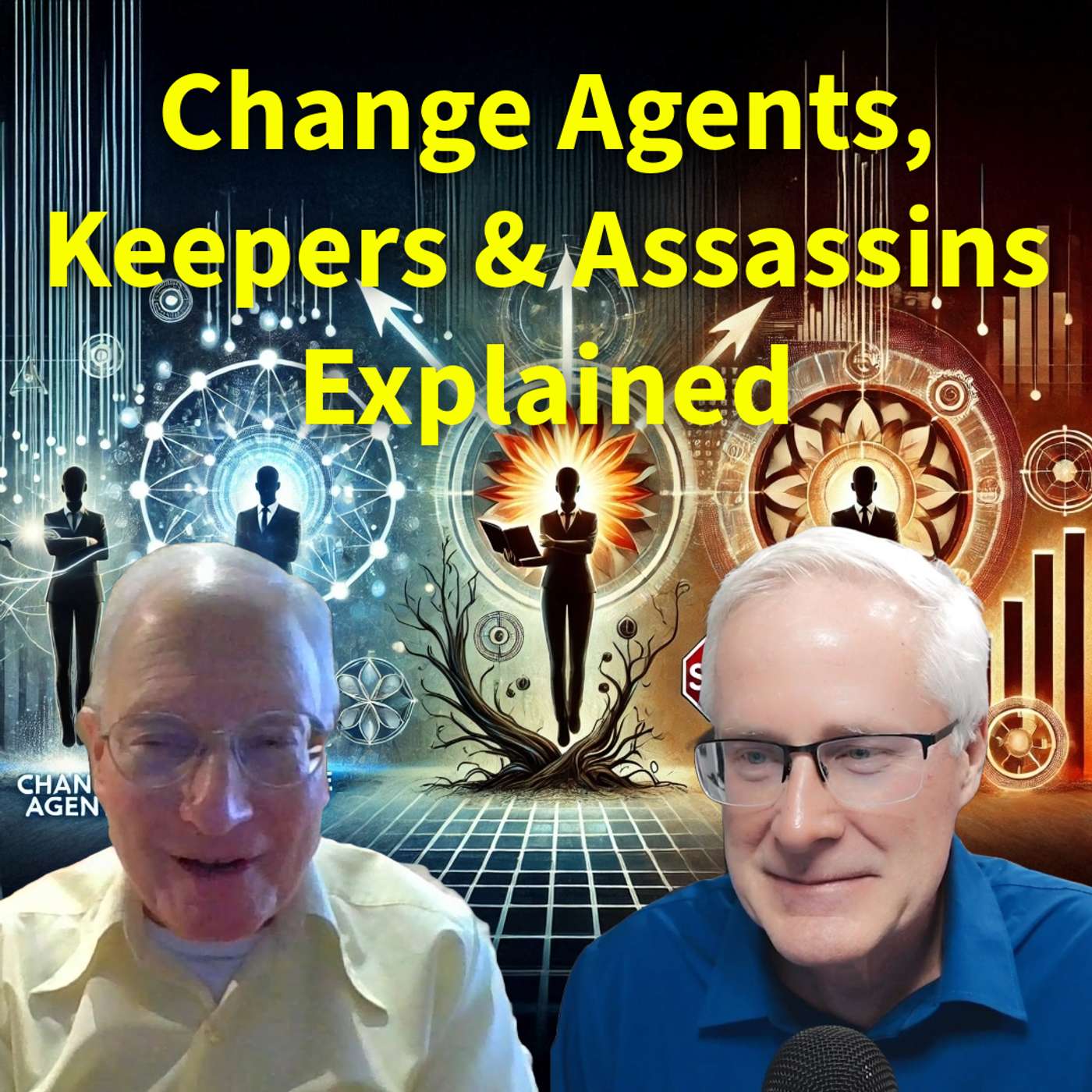
#250 The 3 Forces of Cultural Change: Agents, Keepers & Assassins Explained
Description
Check out my new book AI Augmented Teams on Amazon or on my website paidar.ai/books.
In this conversation, Dr. Joel Shertok shares his extensive experience in chemical engineering and digital transformation. He discusses the challenges faced in the chemical production industry, particularly the loss of tacit knowledge as experienced workers retire. The conversation explores the importance of capturing hidden organizational learning, the role of automation in modernizing chemical plants, and the cultural shifts required for successful digital transformation. Dr. Shertok emphasizes the crucial need for executive support, underlining the urgency of their role in driving successful digital transformation. He also delves into the motivations of various organizational levels to embrace change and addresses the future potential of AI in the industry. ## takeaways * Dr. Joel Shertok has over 50 years of experience in chemical engineering. * Capturing tacit knowledge is crucial as experienced workers retire. * Automation can optimize processes but requires cultural acceptance. * Hidden organizational structures can be uncovered by talking to frontline workers. * The chemical industry is conservative due to safety concerns. * Training is essential for workers to adapt to new technologies. * Executive backing is vital for successful digital transformation. * Motivations differ across organizational levels, impacting change acceptance. * AI has potential in administrative functions but is not yet prevalent on the shop floor. * The future of technology adoption is gradual, not revolutionary.
In times of rapid technological advancement and digital transformation, understanding the nuances of workplace culture can make or break an organization’s success. Often, organizations are unaware that they must navigate the complex dynamics of cultural change agents, keepers, and assassins to foster a smooth transition. Let’s delve into these three forces and how to effectively harness them for a successful digital transformation in your business.
The Role of Cultural Change Agents
Cultural change agents serve as the champions of transformation within an organization. These individuals actively promote new initiatives and help educate their colleagues on the benefits of adopting innovative practices. Their role is vital because, without their enthusiasm, any new strategy or technology rollout can fall flat, especially if employees are hesitant to embrace change.
To cultivate cultural change agents, leadership must empower them with the tools and resources they need to succeed. This includes providing training sessions that emphasize the advantages of digital technologies and fostering an environment where employees feel safe expressing their concerns. Organizations benefit greatly when they facilitate a two-way conversation between leadership and staff. By addressing fears and encouraging experimentation, management can help dispel rumors or doubts about why the transformation is necessary and how it can benefit everyone involved. This empowerment of change agents can inspire and motivate the entire team.
The Keepers of Tradition
While cultural change agents help drive transformation, keepers of tradition often cling to established practices that have proven successful. Their reservations can stem from a deep understanding of the current processes and the belief that “if it isn’t broken, don’t fix it.” However, this mindset can hinder innovation and slow the digital transformation process.
To engage the keepers of tradition, it's essential to demonstrate the value and return on investment digital transformation will yield. This includes sharing tangible results from successful case studies and emphasizing that embracing change does not mean abandoning the old ways entirely. Organizations can integ