Episode Details
Back to Episodes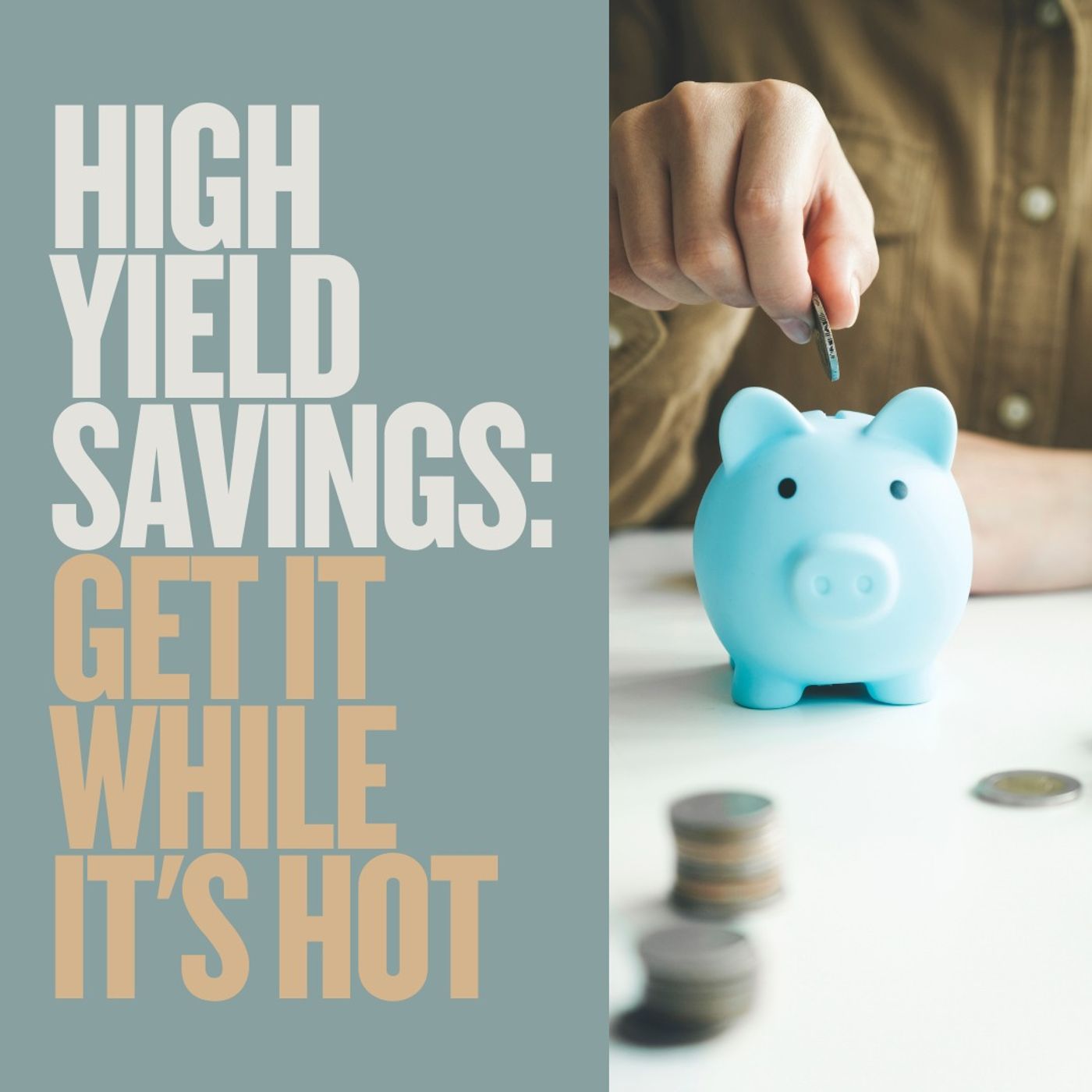
High Yield Savings: Get it While It’s Hot
Description
As the saying goes, you don’t need to be wealthy to start saving—but you do need savings to build wealth.
Right now, one of the best ways to grow your savings is by taking advantage of high-yield savings accounts. But how long will these elevated rates last? Let’s explore what’s driving these rates and what you can do to maximize your savings.
The Role of a Savings Account
Before we dive into high-yield savings, let’s clarify what a savings account is—and what it’s not. Unlike investing accounts involving higher risk, a savings account is a secure place for short-term financial needs.
A savings account is ideal for:
- Your emergency fund
- Big purchases you plan to make in the next few years, such as a car or home repairs
Currently, some online savings accounts offer interest rates between 4.75% and 5%, significantly outperforming traditional brick-and-mortar banks. But why are these rates so high?
The Inflation Factor: Why Rates Are High
Inflation plays a significant role in determining interest rates. The Federal Reserve typically raises interest rates to slow inflation down when inflation rises.
Over the past couple of years, inflation has remained higher than the Fed’s 2% target. As a result, the Fed has held off on cutting rates as originally anticipated.
- Bad news? If you have a variable-rate loan like a credit card or home equity line of credit, you’re paying more in interest.
- Good news? You're earning more on your savings if you have a high-yield savings account.
Because banks adjust their rates based on the Fed’s actions, the question remains: How long will these higher yields last?
Will Savings Yields Stay High?
Only God knows for sure, but we can make an educated guess based on two factors:
- The latest inflation numbers—If inflation continues around 3%, the Fed may hold steady, keeping savings rates high.
- The Federal Reserve’s reaction—If inflation drops to 2.5%, the Fed might cut interest rates, eventually leading to lower savings yields.
Even when the Fed does cut rates, it can take time for savings yields to follow. Banks tend to delay lowering interest rates on savings accounts. Likewise, when the Fed raises rates, banks take their time increasing yields.
Why? Because banks don’t want to be the first to make a move. They wait to see how competitors react so they can stay within industry standards while remaining competitive.
How to Get the Best Savings Rates
Since banks adjust rates at their own pace, it’s wise to monitor trends. If your bank consistently offers lower yields than what’s available online, consider moving your money.
To compare savings rates, check websites like:
Additionally, if savings account yields start dropping, you might consider alternatives like:
- Certificates of Deposit (CDs)—Offer fixed, higher yields for a set period.
- Money Market Accounts—Typically have higher yields than standard savings accounts.
Credit Unions: A Hidden Gem for High Yields
If you’re dissatisfied with your bank’s rates, you don’t necessarily need to switch to an online bank. Credit unions often offer higher savings yields than traditional banks.
Unlike for-profit banks, credit unions return profits to their members through:
- Higher interest rates on savings
- Lower fees and better loan rates
One faith-based option is Christian Community Credit Union, which offers competitive savings rates and gives a portion of its revenues to support ministry efforts worldwide. Learn more at
Listen Now
Love PodBriefly?
If you like Podbriefly.com, please consider donating to support the ongoing development.
Support Us