Episode Details
Back to EpisodesThe Truth About Forgiving Abuse With Valerie Hudson
Description
Have clergy or therapists pushed you toward forgiving abuse? Here’s why that’s so damaging.
Before you discover the truth about forgiving abuse, confirm it’s abuse by taking our free emotional abuse quiz to find out.
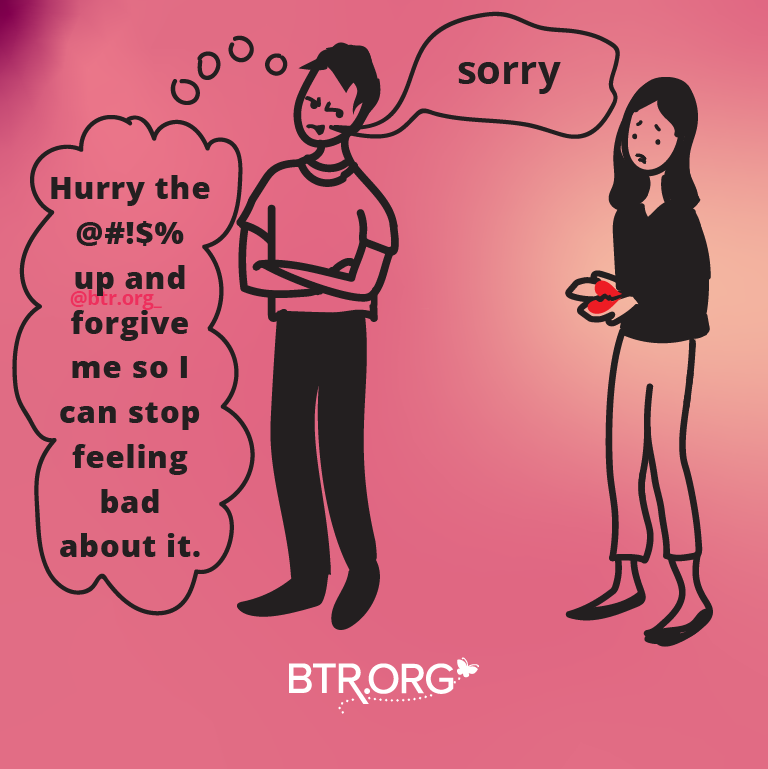
Forgiveness vs. Reconciliation (They’re Not The Same Thing)
Betrayal Trauma Recovery is inter-paradigm. Religious and non-religious victims can accept that reconciliation is not only unnecessary, but inadvisable in working toward the process of forgiving abuse.
Forgiveness does not mean:
- Staying in a relationship with your abuser
- Spending time with your abuser
- Accepting responsibility for your abuser’s choices
- Continuing to associate with your abuser’s family and friends
- Continuing to associate or attend community or religious services in the same location as your abuser
- Staying legally married to your abuser even if you are living separately
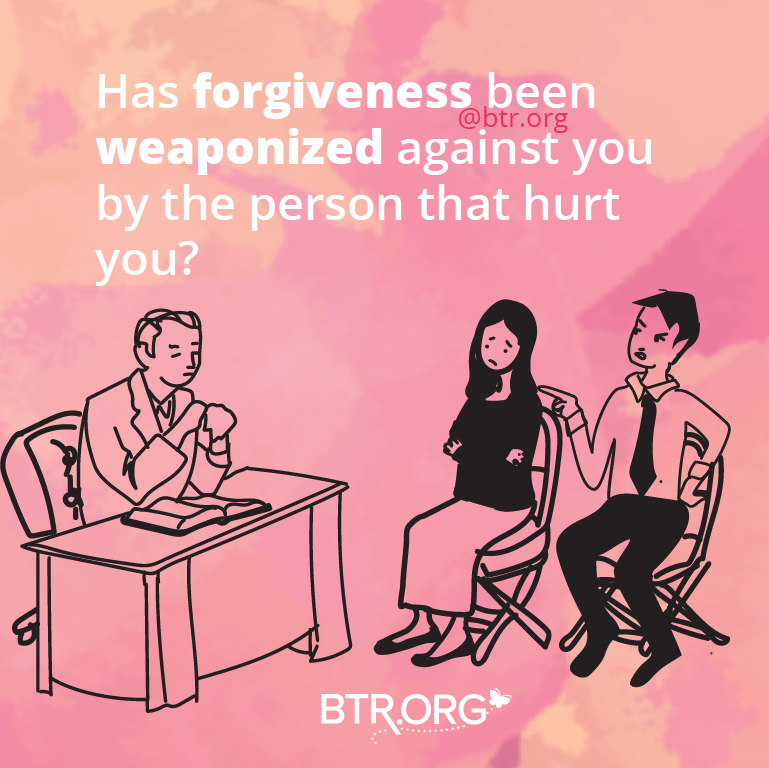
Forgiveness & “Turning The Other Cheek”
When clergy and religious therapists counsel women to “turn the other cheek” by forgiving abuse or relinquish judgment against their abusers, they are putting victims in danger. “Turning the other cheek” simply doesn’t make sense in the context of abuse and betrayal:
Instead, victims can hold abusers accountable by:
- Reporting crime
- Distancing themselves from abuse
Forgiveness Is About Justice – Not Mercy
Ultimately, forgiving abuse is about justice, not mercy. Trauma victims can find solace in accepting that it isn’t their responsibility to grant mercy to their abusers – it’s their duty to hold abusers accountable for the abuse. While this may feel daunting, victims can take small steps to seek safety.
Choosing to believe in natural consequences while taking empowering steps toward safety is the process of forgiveness.
Harmful societal scripts that place the burden of forgiving abuse and reconciliation on traumatized victims can be difficult to work through. Victims need a safe place to process trauma and create healthier ways to begin healing. Attend a Betrayal Trauma Recovery Group Session TODAY and find the community you need to help you on your healing journey today.

Listen Now
Love PodBriefly?
If you like Podbriefly.com, please consider donating to support the ongoing development.
Support Us