Episode Details
Back to EpisodesArmchair Psychology Examples: When You Get Labeled
Description
Armchair Pathology: The pathologizing (diagnosing, whether by a formal diagnosis or simply a suggestion) of an individual without thorough, knowledge-based, individualized care by a provider or advocate. If you’re a victim of betrayal, here are some armchair psychology examples you need to be aware of.
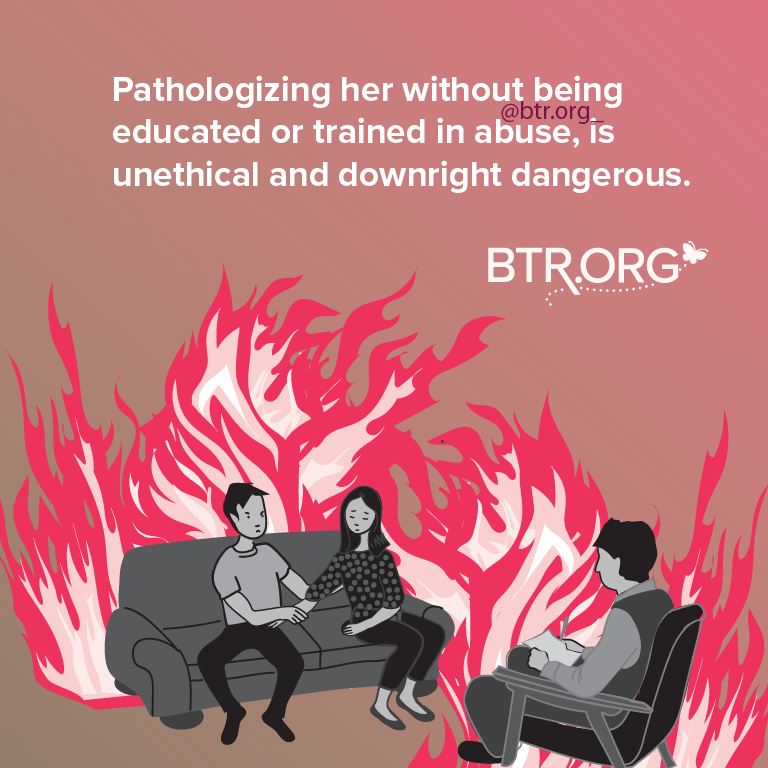
When a provider or advocate labels a victim with a certain pathology, without being educated or trained in abuse, it can be damaging to the victim. Too many so-called experts subject women to severe harm. If you’re being blamed for your own emotional and psychological abuse, we’re here to help. Attend a Betrayal Trauma Recovery Group Session TODAY.
Why Is Armchair Psychology A Dangerous Practice?
The symptoms of trauma often mimic mental illnesses, disorders, and pseudo-psychological conditions (like “codependency.” Meaning that when providers do not factor in trauma and abuse to a client’s profile, any diagnosis or suggestion can be completely inaccurate.
Have YOU Experienced The Dangers Of Armchair Psychology?
Some victims have experienced the dangers of armchair psychology without even realizing it – because this practice has become so normalized. You can ask yourself these questions:
- Has a provider or advocate diagnosed me with a mental illness, disorder, or something else, without ever having seen or spoken with me?
- Have I been prescribed medication without having been given a diagnosis?
- Was I given a serious diagnosis after only one visit, or after a telehealth appointment?
- Did the provider give me a diagnosis after speaking with my husband?

Transcript: Armchair Psychology Examples: What YOU Need To Know
Anne: I have a member of our community on today’s episode, I’m going to call her Paige. Paige is a certified midwife. And she wanted to come on today to talk about armchair psychology examples. And how armchair psychology harms victims. Welcome, Paige
Paige: Hi, thanks for having me.
Anne: So Paige let’s start with the definition of armchair psychology and why that harms victims.
Paige: When people are labeled with a disorder or a diagnosis without actually having had interactions or contact with a provider or advocate. We see it a lot in the betrayal trauma community, “You’re just not healed enough.” Or, “You’re just triggered because you’re not healed.”