Episode Details
Back to Episodes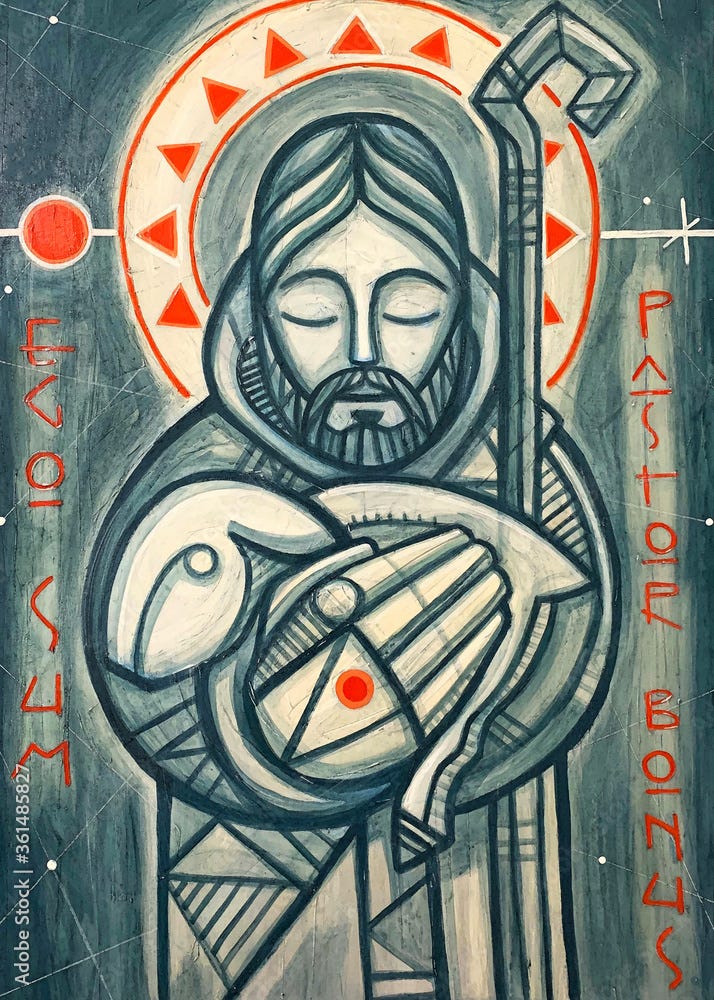
Who Tells The Story: From Stereotypes to Sanctification
Description
A few years ago, my friend Tony came to the church I was working to be our “Scholar in Residence.” While Tony was in town, he taught a few seminars and preached on Sunday morning. He traveled with his wife and children. When Tony did not have responsibilities at the church, he took his family sightseeing. They visited all the sites we who live close to the DC avoid during the summer months.
The Washington Monument.
The Lincoln Memorial.
A few of the Smithsonian museums.
Mount Vernon.
After seeing the sights and eating at all places you are supposed to eat at when you visit DC, Tony preached on Sunday morning. He mentioned how each sight he visited painted its subject in the most flattering light, more positive than history books may portray the subject. Tony’s visit to DC was in 2011, well before sights like Mount Vernon began to address the harm done at the hands of the celebrated saints of our nation.
In the stories told at each historical site, Tony said it seemed that only part of the story was being told. And the part being told was not an entirely accurate portrayal.
For ten chapters, Paul has been going on and on about the grace, judgment, and salvation of God. Ten chapters about humanity’s deserving of divine judgment. Ten chapters of humanity receiving the grace of God instead of what we deserve, all because of who God is and not because of who we are in the stories we tell ourselves.
“What about our family, our fellow Jews,” someone asks Paul.
“What about the Gentiles!? They are not part of our covenant with the Lord,” asked another.
What about them?
Paul asks, “has God rejected God's people?”[i] “No,” says Paul. God did not reject Paul after Paul persecuted the Church. On the Road to Damascus Paul received grace, not judgment.
The grace of God is more amazing than we can imagine. Paul writes that God's grace finds room for even the Gentiles, for those who are outside of the Covenant established between God and Israel (which is good news for us). There is even room for those who have turned away from God. If God can save us, Paul writes, God can save anybody. Even when faced with disobedience, there is the occasion for grace through God.
Like Paul falling off his horse, when we realize the grandness of the grace of God, our theological socks can be knocked off. This does not have to be a mountaintop experience. Perhaps it was during a sermon, or while the choir was singing your favorite hymn, or maybe while you were praying before the sun rose. Paul realizes that the grandness of the grace of God is grander than he realized. God’s grace goes a step further.
To realize that God loves Jews and Gentiles, and is kind to the selfish and ungrateful can move us to shout for joy, which is how Paul concludes this chapter.
“O the depth of the riches and wisdom and knowledge of God! How unsearchable are his judgments and how inscrutable his ways!”[ii]
The grace of God is a constant throughout our holy scriptures and Christ’s ministry. Still, though, we sometimes attempt to paint Christ or even the grace of God in our image. We try to use grace as a prop in our stories rather than allowing God’s grace to stand at the center of who we are and everything we do.
Jesus asked his disciples, “Who do people say that the Son of Man is?”[iii] “Who do the people hearing me teach and watching my ministry say I am?” The disciples replied, “Some say John the Baptist, but others Elijah, and still others Jeremiah or one of the prophets.”[iv]
“Some say you are this or that, projecting their expectations upon God’s grace and, in turn, attempting to rewrite the story of grace through what they thought they knew. Christ must be this or that. A prophet. A teacher. A miracle worker.”
Listen Now
Love PodBriefly?
If you like Podbriefly.com, please consider donating to support the ongoing development.
Support Us