Episode Details
Back to Episodes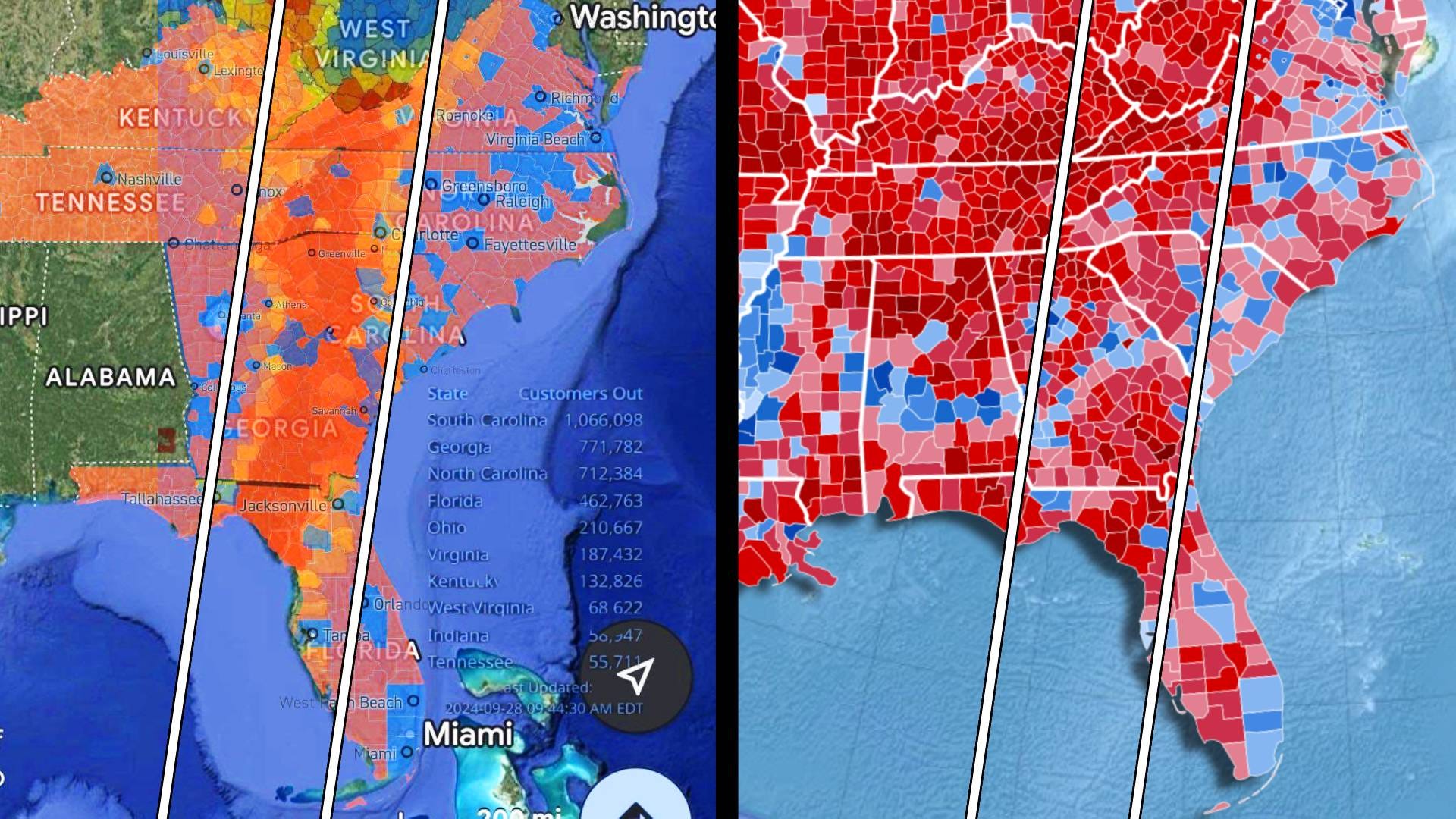
This November, Consider Voting To Validate Those Affected By The Storms
Description
One of the most pressing issues arising from the aftermaths of Hurricanes Helene and Milton—outside of the loss of life, immense damage, and pathetic response by the federal government—is this. The people most affected by the storm will have a very difficult time voting on November 5th if that subject is even remotely on their radar at this point.
One can hardly blame anyone who has lost everything they own for not keeping the issue of the election front and center as a priority, even though the response from the federal government—and some of the state governments—has been insufficient and, in many cases, obstructive. It should be a significant issue in this election.
However, a fact remains that cannot be argued. The overwhelming number of counties affected by the storm paths were Red-voting counties. Population-wise, it is unclear whether the numbers of conservative, constitutionalist, and Republican voters affected will balance with the number of far-Left and Democrat voters. But looking at the areas affected, there is a good chance there will be a deficit to the Democrats' advantage given the lopsided urban populations of Ashville and Winston-Salem in North Carolina, Augusta and Savanah in Georgia, and Tampa and St. Petersburg in Florida.
The Path That Might Affect The Vote
In Georgia, Hurricane Helene’s effects were felt across 53 counties. These counties predominantly voted conservative and Republican in the 2020 election, with 57.3% of the votes reflecting that fact.
Similarly, North Carolina's western part includes heavily Republican counties that have been designated eligible for FEMA aid, indicating a level of devastation that will undoubtedly hinder the ability of those affected to cast ballots. In those locations, 51.6% of the vote in 2020 went for the conservative (or Republican) candidates.
The physical destruction and logistical challenges in North Carolina – specifically – will directly affect voter turnout. Traditional polling stations are either inaccessible or non-existent. If mail-in ballots are delayed due to postal service disruptions, the vote in affected areas will be suppressed.
While this might not change voter preference, it will reduce the overall number of votes cast for conservative candidates if those voters cannot vote.
Given that these areas are predominantly conservative in nature, the lower voter turnout will disadvantage conservative, constitutionalist, and Republican candidates. And even though emergency voting measures have been implemented in many election authority jurisdictions throughout the affected areas, there is no guarantee they will be adequately effective. Today, the election results and the entirety of the General Election, nationally, could be affected by this disaster.
That is unless the rest of the electorate in the affected states—and/or enough voters across the country—turn out to compensate for the disenfranchisement, ensuring that the good people of Western North Carolina, Eastern Tennessee, and Northern Georgia are represented at the ballot box in the exercise of their constitutional rights to vote.
We Can Help The People In WesternNorth Carolina With More Than Just Money
Today, the immediate need for the people affected by these storms is material and physical aid and assistance. I have consistently posted links to credible organizations—all with high ratings by CharityNavigator.org:
Love PodBriefly?
If you like Podbriefly.com, please consider donating to support the ongoing development.
Support Us