Episode Details
Back to Episodes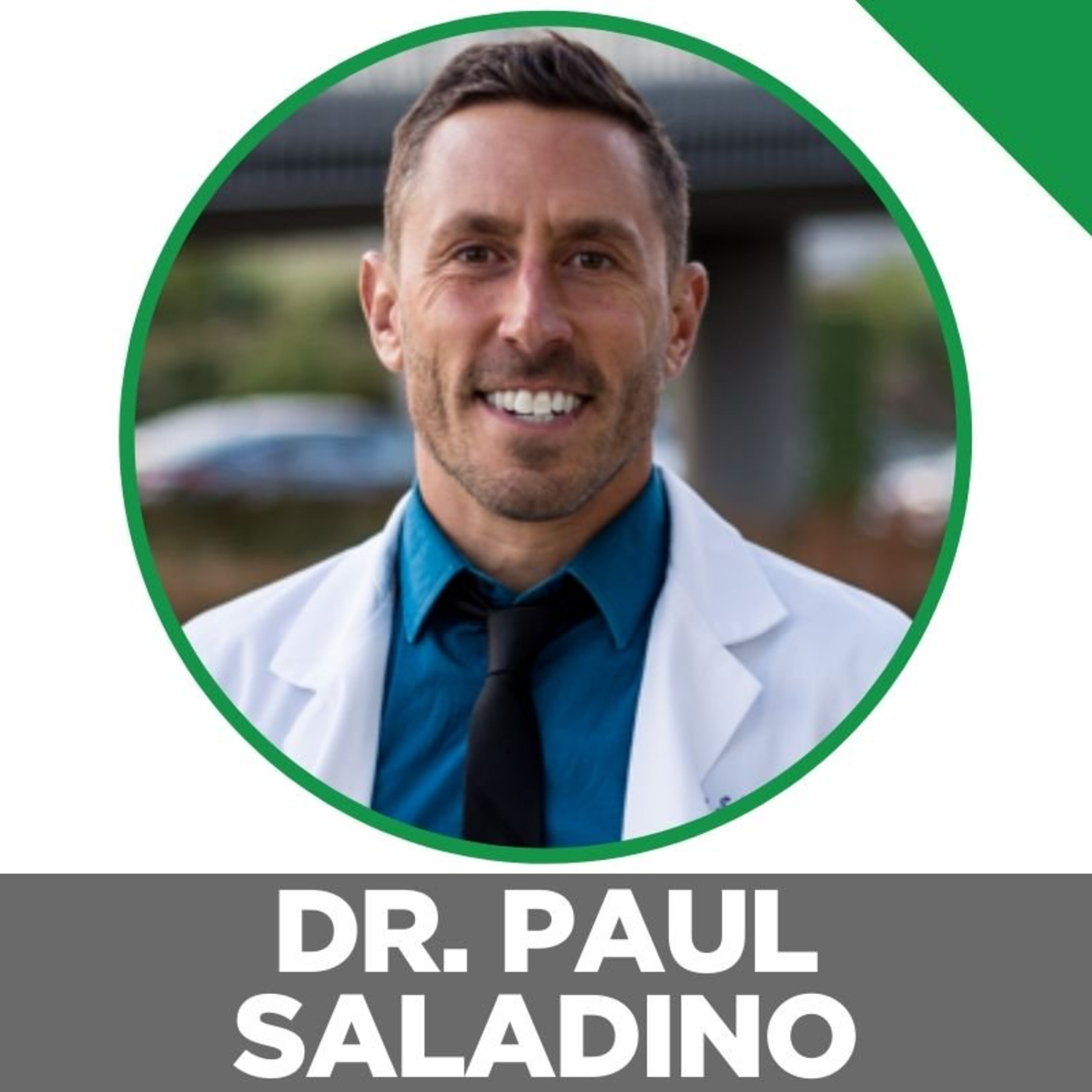
The Truth About The Carnivore Diet: Everything You Need To Know About Dangers, Benefits, Mistakes & Hacks For Eating Only Meat.
Episode 1036
Published 6 years, 11 months ago
Description
Prepare yourself for the most epic, deep dive into the carnivore diet that you've ever heard.
I recently listened to a physician named Paul Saladino debate research scientist Layne Norton about the carnivore diet on my friend Mark Bell's podcast. I was so intrigued by the episode that I decided to get Paul on my show to explore the science behind the carnivore diet, carnivore diet do's and don'ts, and whether the carnivore diet is a true, sustainable, natural, ancestral nutrition approach or just a dietary fad.
During this show, we cover: -Why Paul is a raving fan of salmon roe...17:15- Humans cannot make Omega 3 fatty acids
- Omega 3's in salmon roe are in the phospholipid form
- Salmon roe crosses the blood brain barrier more efficiently than in the triglyceride or ethyl ester form (which you'll find in most fish oil capsules)
- Two tbsps of salmon roe gives you the DHA without being exposed to the metals
- Benefit of getting a nutrient from a food vs. from a supplement
- Concern with oxidation in fish oil:
- Look for certificate of analysis
- Look at levels of lipid peroxides
- Not nearly as much oxidation in eggs than the fish
- A central principle of the carnivorous diet: plants are not put on the earth to serve humans
- Develop potentially toxic compounds to defend themselves from other animals
- A peppercorn is the seed of a plant
- The seeds are where a higher concentration of pesticides and toxins reside
- Pepper contains a compound called piperine, which inhibits UDP glucuronosyltransferase
- In essence: black pepper inhibits our body's natural detoxification process.
- Piperine is added to curcumin supplements to increase the level of curcumin you can absorb
- We don't actually use these molecules in human biochemistry
- Used to activate certain pathways to produce our own antioxidants (which is glutathione)
- Plants induce Nrf2, while simultaneously doing toxic things to our bodies
- Sulforaphane is considered to be a highly beneficial molecule as a precursor to glutathione pathways
- But is known to be a goitrogen (meaning it can induce hypothyroidism)
- Key take away: You can simulate the benefits of eating plants by eating meat and living a healthy lifestyle
- Coffee is felt to be beneficial because of a couple of polyphenolic compounds: chloragenic acid and caffeic acid
- These have been found to be clastogenic (DNA damage)
- A coffee bean is the seed of a plant, which contains toxins as a natural defense mechanism
- Very few animals eat those seeds
Listen Now
Love PodBriefly?
If you like Podbriefly.com, please consider donating to support the ongoing development.
Support Us