Episode Details
Back to Episodes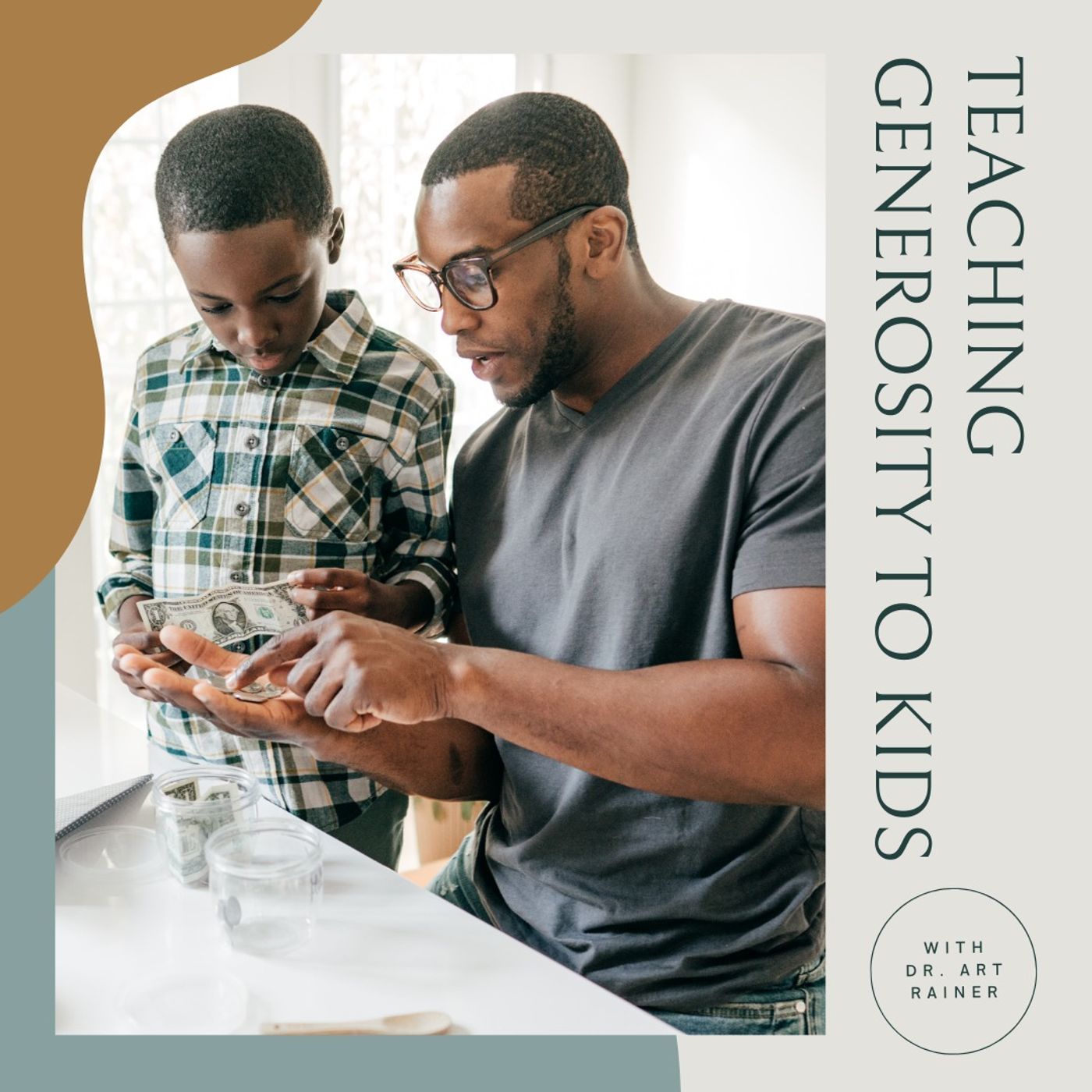
Teaching Generosity to Kids with Dr. Art Rainer
Description
“I have no greater joy than to hear that my children are walking in the truth.” - 3 John 1:4
In that verse, the Apostle John praises his friend Gaius and other believers for their generosity toward missionaries. As parents, we want our children to be generous toward God’s Kingdom. Dr. Art Rainer joins us today with some steps we can take to grow our kids in generosity.
Dr. Art Rainer is the founder of the Institute for Christian Financial Health and Christian Money Solutions. He is also the author of The Money Challenge: 30 Days of Discovering God's Design for You and Your Money and the Secret Slide Money Club, a book series designed to teach young readers about God’s way of being wise with money.
Why Teaching Generosity Matters
Parenting is a high calling. Everything we say and do influences our children’s lives, shaping their worldview and their relationship with God. Generosity is part of God’s plan for His people, so we must intentionally guide our kids away from selfishness and toward selflessness.
But how do we teach children to be generous when human nature tends to favor holding on rather than giving away? It starts with a few key principles.
1. Model Gratefulness
Before kids can learn to give, they must first recognize the blessings they’ve received. A heart of gratitude fosters a heart of generosity.
- Regularly express thankfulness for the resources God has given your family.
- Teach your children that everything belongs to God—we are simply stewards of His gifts.
- Share stories of how generosity has impacted your own life and how giving frees us from the grip of money.
Gratefulness leads to an open-handed posture toward money and possessions.
2. Talk About Generosity
Children won’t naturally connect giving to their faith unless we explain it to them. Conversations about generosity help shape their understanding of why we give.
- Explain that we give because God first gave to us (John 3:16).
- Share personal testimonies of times when generosity blessed others—or when you were blessed by someone else’s generosity.
- Connect giving to the gospel: Just as God gave us His Son, we reflect His love when we give to others.
3. Model Generosity in Everyday Life
Kids have a strong radar for hypocrisy. If we talk about generosity but don’t practice it, they’ll notice. That’s why we must demonstrate generosity in tangible ways.
- Let them see you giving—to your church, to charities, or to people in need.
- Discuss the needs of others. Ask them, “Have you ever needed help? How did it feel when someone helped you?”
- Involve them in acts of giving, such as donating food, helping a neighbor, or supporting a ministry.
When children witness generosity in action, they begin to understand its value.
4. Let Them Earn and Give
For kids to truly grasp generosity, they need to experience both the sacrifice and joy of giving. One way to do this is by allowing them to earn their own money.
- Provide opportunities for them to do small jobs or earn an allowance.
- Encourage them to set aside a portion for giving, just as they do for saving and spending.
- Let them choose where to give—whether it’s to the church, a missionary, or a local charity.
Handling their own money makes giving more meaningful and personal.
5. Prioritize Giving to the Local Church
One of the best ways to instill a habit of generosity is by encourag