Episode Details
Back to Episodes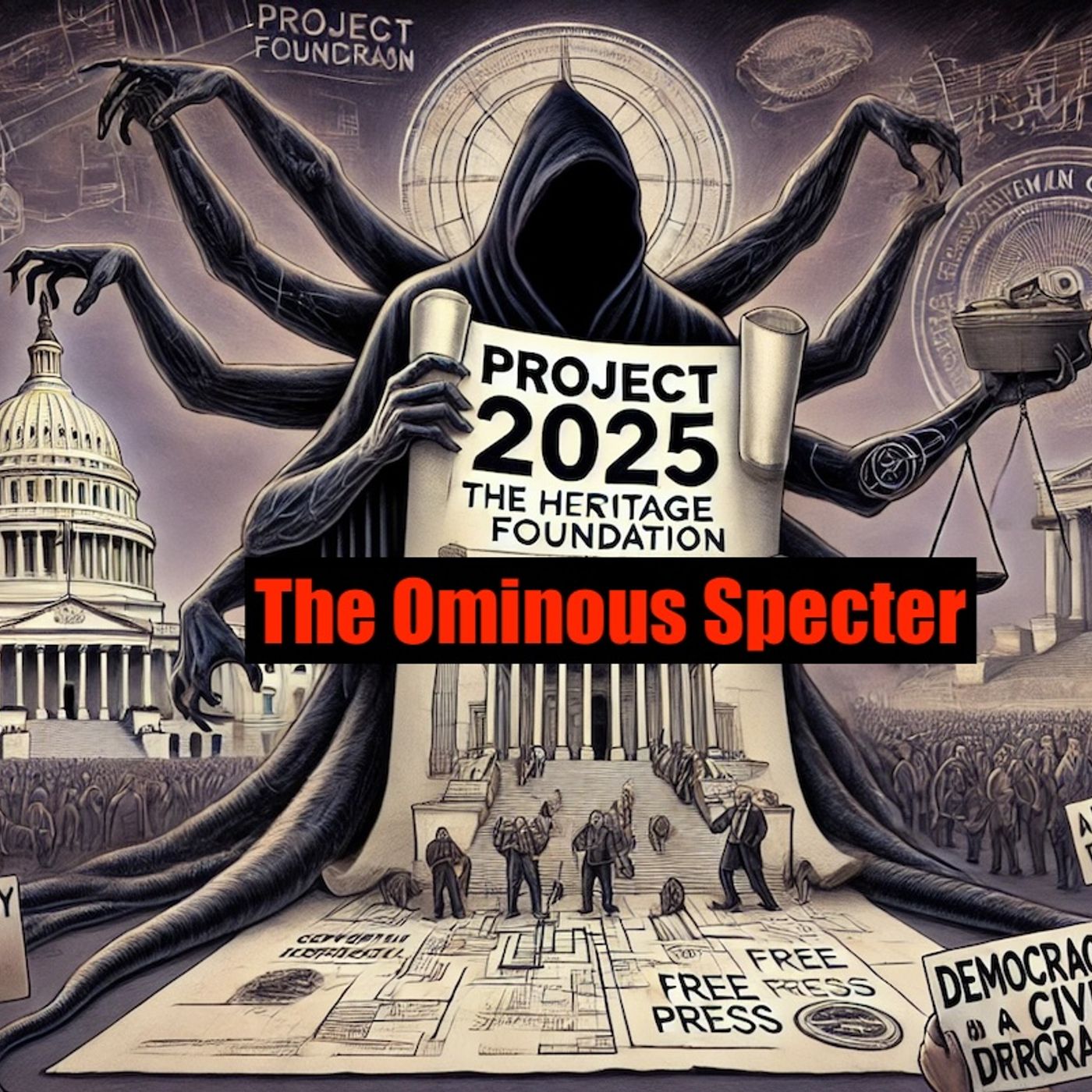
"Transforming America: Project 2025's Radical Conservative Agenda Unveiled"
Published 1 year ago
Description
As I delve into the intricacies of Project 2025, a sweeping initiative crafted by the Heritage Foundation, it becomes clear that this is more than just a policy blueprint – it’s a vision for a fundamentally transformed American government. Led by former Trump administration officials Paul Dans and Spencer Chretien, this project is designed to guide the next Republican president in implementing a conservative agenda that touches nearly every aspect of federal governance.
At its core, Project 2025 is built on four pillars: a comprehensive policy guide, a database of conservative personnel, training programs for these individuals, and a detailed playbook for the first 180 days of the new administration. This structure is meant to ensure that conservatives are not just winning elections, but also have the right people and plans in place to execute their vision from day one[4].
One of the most striking aspects of Project 2025 is its ambitious plan to reshape the federal bureaucracy. The project advocates for significant cuts to the federal workforce and the elimination of several key agencies, including the Department of Education and the Department of Homeland Security. The Department of Education, for instance, would be abolished, with its programs either transferred or terminated. This move is part of a broader strategy to reduce the federal government's role in education, elevating school choice and parental rights instead. Federal funds for low-income students would be converted into school vouchers, even for those attending private or religious schools, and programs like Head Start would be eliminated[1].
The project also targets the Department of Justice (DOJ) and the Federal Bureau of Investigation (FBI), proposing to place these agencies under direct presidential control. This aligns with the unitary executive theory, which centralizes greater control over the government in the White House. According to Heritage Foundation President Kevin Roberts, "The notion of independent federal agencies or federal employees who don't answer to the president violates the very foundation of our democratic republic"[1].
In the realm of healthcare, Project 2025 suggests drastic reforms. It proposes to cut funding for Medicaid, imposing stricter work requirements and limits on lifetime benefits. The Department of Health and Human Services would be reformed to promote traditional nuclear families, and Medicare would be prohibited from negotiating drug prices. Additionally, federal healthcare providers would be barred from offering gender-affirming care to transgender individuals, and insurance coverage for emergency contraception would be eliminated[1].
The project's stance on environmental and climate change policies is equally contentious. It recommends reducing environmental regulations to favor fossil fuels and preventing the Environmental Protection Agency (EPA) from using certain climate change impact projections. Mandy Gunasekara, former chief of staff at the EPA during the Trump administration, authored the EPA chapter, arguing that the agency's science activities should require clear congressional authorization[5].
Project 2025 also delves into law enforcement, proposing a DOJ that would combat what it terms "affirmative discrimination" or "anti-white racism." The Civil Rights Division would prosecute state and local governments, institutions of higher education, and private employers with diversity, equity, and inclusion (DEI) or affirmative action programs. This approach is based on the argument that such programs violate federal law and come at the expense of other Americans[1].
The project's impact on science and research is significant as well. It suggests prioritizing basic research while rolling back climate science initiatives. Academic and technology exchanges with countries like China would be restricted, and the National Institutes of Health (NIH
At its core, Project 2025 is built on four pillars: a comprehensive policy guide, a database of conservative personnel, training programs for these individuals, and a detailed playbook for the first 180 days of the new administration. This structure is meant to ensure that conservatives are not just winning elections, but also have the right people and plans in place to execute their vision from day one[4].
One of the most striking aspects of Project 2025 is its ambitious plan to reshape the federal bureaucracy. The project advocates for significant cuts to the federal workforce and the elimination of several key agencies, including the Department of Education and the Department of Homeland Security. The Department of Education, for instance, would be abolished, with its programs either transferred or terminated. This move is part of a broader strategy to reduce the federal government's role in education, elevating school choice and parental rights instead. Federal funds for low-income students would be converted into school vouchers, even for those attending private or religious schools, and programs like Head Start would be eliminated[1].
The project also targets the Department of Justice (DOJ) and the Federal Bureau of Investigation (FBI), proposing to place these agencies under direct presidential control. This aligns with the unitary executive theory, which centralizes greater control over the government in the White House. According to Heritage Foundation President Kevin Roberts, "The notion of independent federal agencies or federal employees who don't answer to the president violates the very foundation of our democratic republic"[1].
In the realm of healthcare, Project 2025 suggests drastic reforms. It proposes to cut funding for Medicaid, imposing stricter work requirements and limits on lifetime benefits. The Department of Health and Human Services would be reformed to promote traditional nuclear families, and Medicare would be prohibited from negotiating drug prices. Additionally, federal healthcare providers would be barred from offering gender-affirming care to transgender individuals, and insurance coverage for emergency contraception would be eliminated[1].
The project's stance on environmental and climate change policies is equally contentious. It recommends reducing environmental regulations to favor fossil fuels and preventing the Environmental Protection Agency (EPA) from using certain climate change impact projections. Mandy Gunasekara, former chief of staff at the EPA during the Trump administration, authored the EPA chapter, arguing that the agency's science activities should require clear congressional authorization[5].
Project 2025 also delves into law enforcement, proposing a DOJ that would combat what it terms "affirmative discrimination" or "anti-white racism." The Civil Rights Division would prosecute state and local governments, institutions of higher education, and private employers with diversity, equity, and inclusion (DEI) or affirmative action programs. This approach is based on the argument that such programs violate federal law and come at the expense of other Americans[1].
The project's impact on science and research is significant as well. It suggests prioritizing basic research while rolling back climate science initiatives. Academic and technology exchanges with countries like China would be restricted, and the National Institutes of Health (NIH