Podcast Episode Details
Back to Podcast Episodes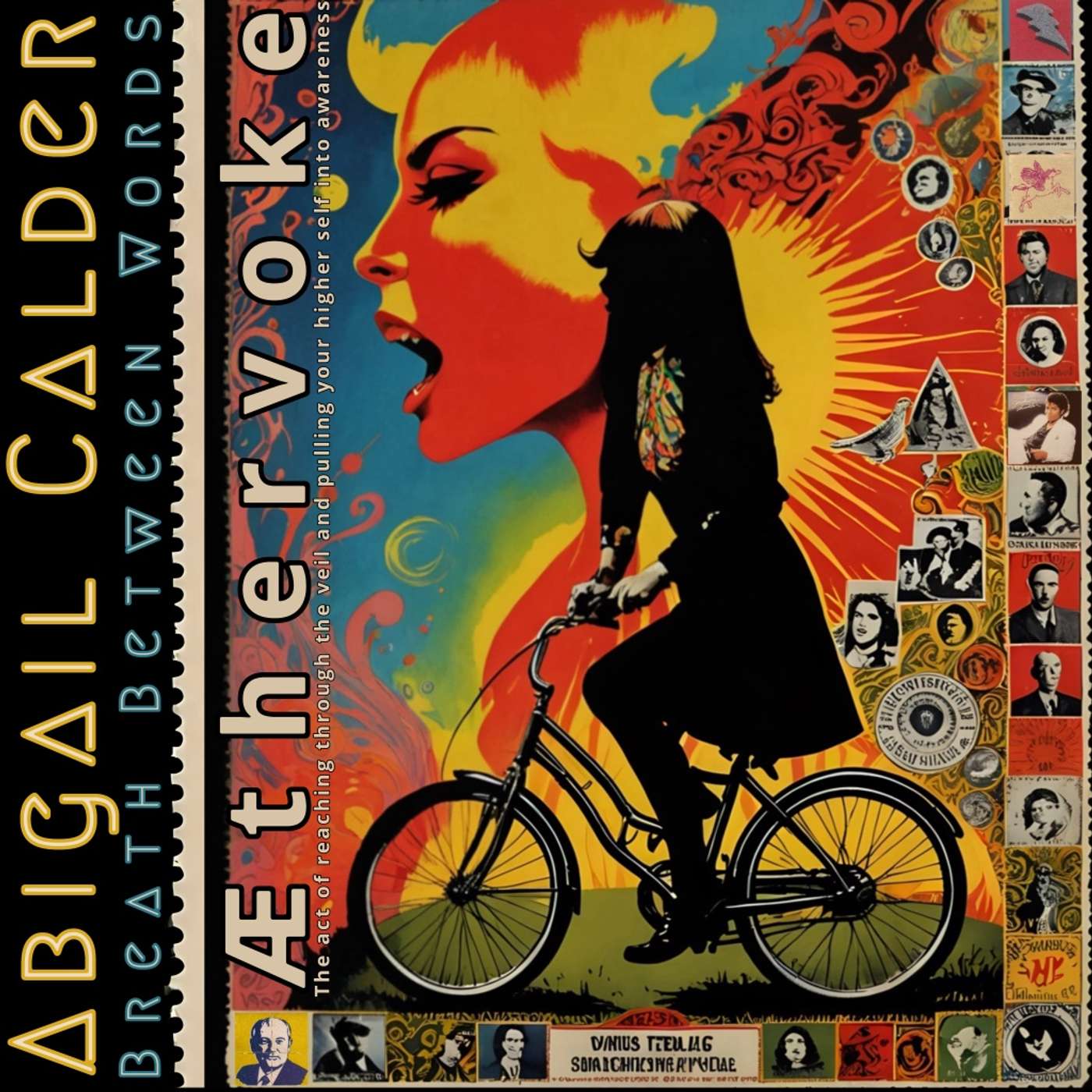
Æthervoke: Abigail Calder on LSD, Consciousness, & Unlocking the Higher Self
Episode 740
One on One Video Call W/George
https://tidycal.com/georgepmonty/60-minute-meeting
Support the show:
https://www.paypal.me/Truelifepodcast?locale.x=en_US
🎙️🎙️🎙️Abigail Calder
"Welcome everyone to another insightful episode of TrueLife. Today, we have the honor of hosting Abigail Calder, a brilliant young mind at the forefront of psychedelic research. Abigail is not just a PhD candidate at the University of Fribourg, but a beacon of light in understanding the intricate dance between psychedelics and the human brain. With her work on neuroplasticity, particularly how LSD can reshape our neural pathways, Abigail is pioneering a new wave of science that connects the dots between consciousness, well-being, and the mystical experiences psychedelics can offer.
But beyond her academic accolades, what truly sets Abigail apart is her passion for demystifying these complex subjects for everyone. Through her roles with the ALPS and MIND Foundations, she's been a bridge between the science lab and our living rooms, making psychedelic science accessible, understandable, and deeply human. Her dedication to exploring not just the highs but also the potential pitfalls of these substances shows a commitment to integrity and safety in science.
So, without further ado, let's dive into a conversation that promises to enlighten, inspire, and perhaps even transform our understanding of ourselves. Please welcome, Abigail Calder."
1. Neuroplasticity and Consciousness:
- How does the HRS, when applied to psychedelic therapy, interact with recent findings on neuroplasticity? Could it serve as a tool to measure the potential of psychedelics to not only treat but fundamentally alter the neural substrates of consciousness?
- "We're considering adding neuroplasticity metrics to the HRS to correlate with changes in consciousness."
2. Quantifying the Ineffable:
- With recent studies suggesting psychedelics can enhance creativity and problem-solving, how can the HRS be adapted to quantify the ineffable aspects of these experiences, particularly in relation to the expansion of cognitive and linguistic capabilities?
- "We could introduce creativity-focused subscales or collaborate with psychologists to assess linguistic shifts.
- We could weave in poetry analysis or perhaps use the HRS to chart the colors of thought, capturing creativity's dance through words."
3. Therapeutic Revolution and Ethical Boundaries:
- Given the latest research on psychedelics for treating conditions like depression, anxiety, and PTSD (e.g., studies from Johns Hopkins, Imperial College London), how does the HRS help navigate the ethical landscape of potentially "standardizing" or misinterpreting the deeply personal nature of these therapeutic experiences?
- - "The HRS should balance standardization with the narrative integrity of each individual's experience
4. Cultural Context and Universal Experience:
- In light of research exploring the cultural variability of psychedelic effects (e.g., work by Brian Earp and colleagues), can the HRS be redesigned to reflect or respect the cultural nuances in psychedelic experiences, or does it inherently impose a universalist scientific framework?
-We'd need to develop culturally sensitive extensions to the HRS while maintaining its core utility."
5. Altered States and Illness:
- Recent breakthroughs in using psychedelics for terminal illness care (like the work of palliative care with psilocybin) suggest
Published on 10 months, 3 weeks ago