Episode Details
Back to Episodes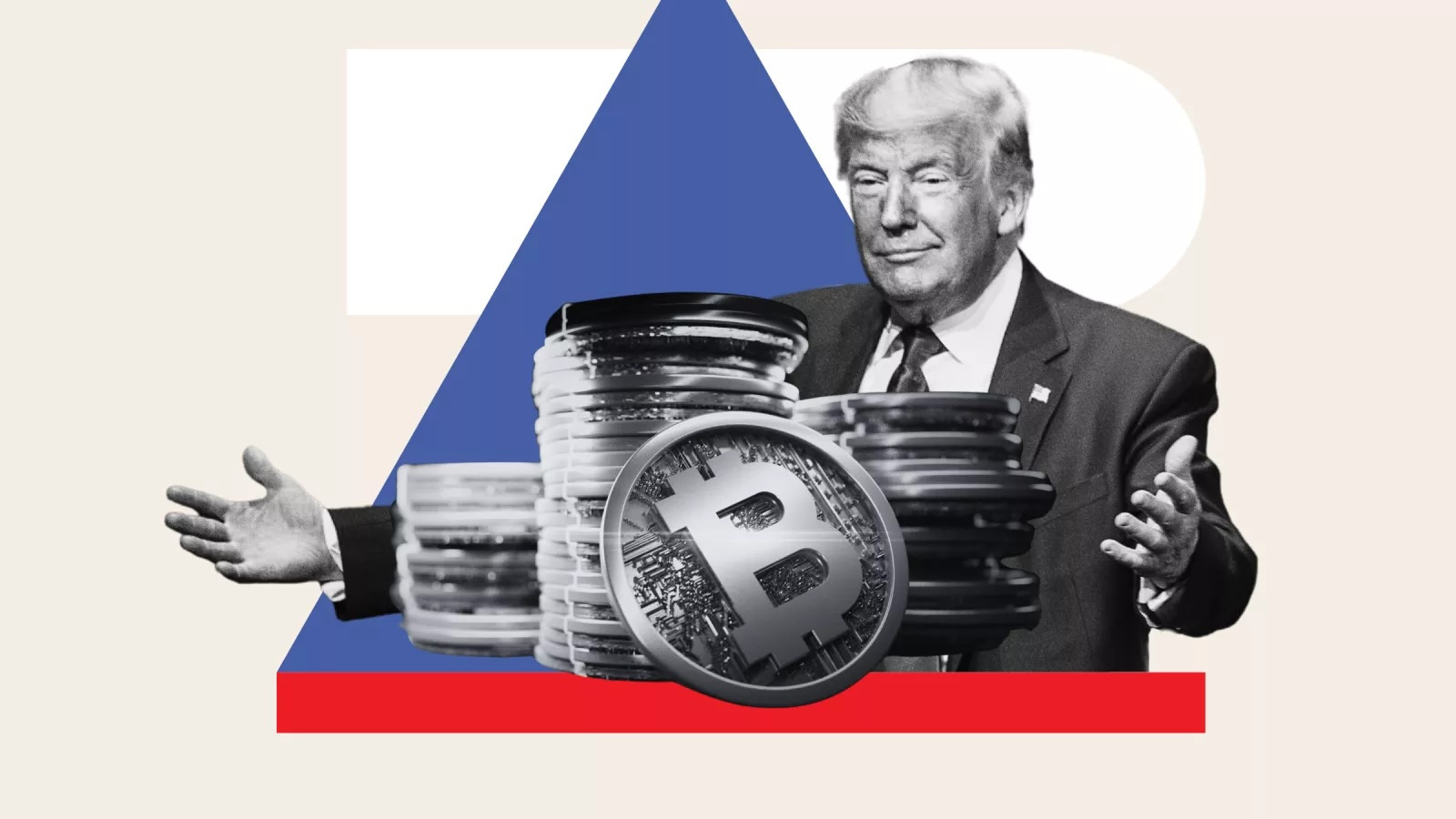
Texas Gives the Middle Finger to Federal Reserve Banksters
Description
Will Trump create a Bitcoin strategic reserve?
States are passing crypto-friendly laws as Trump signals he's ready to usher in a new era.
Something is stirring in America. (And no, it’s not Santa Claus.) From the Texas Strategic Bitcoin Reserve Act to a U.S. legislator exclaiming “Thank God for Bitcoin” on the Senate floor, to Donald Trump confirming plans to establish a U.S. Bitcoin strategic reserve, it is quite a time for cryptocurrency.
Along with Russia’s own push for a Bitcoin reserve, these developments have fueled speculation that Bitcoin’s price could skyrocket to $800,000 by the end of 2025, driven by its fixed supply and rapidly growing institutional acceptance. But make no mistake, what we are experiencing now is bigger than Bitcoin. It’s about reshaping the power of individuals within the global financial order.
Bitcoin: The antidote to monetary debasement
Bitcoin emerged as a response to the failures of traditional financial institutions and central banks, challenging the cycle of monetary debasement and inflation. Fiat currencies like the U.S. dollar are subject to unlimited printing. Gold mines mean that the gold supply increases with demand. Bitcoin, in contrast, is founded on absolute scarcity. It has a hard cap of 21 million coins. This fixed supply, along with a predictable issuance schedule, makes Bitcoin a robust store of value, a reliable hedge against inflation, and a decentralized system where users control their network and value.
Bitcoin mining: Securing the network, one calculation at a time
Bitcoin mining is the mechanism for both creating new bitcoins and validating transactions on the network. It’s more than just the creation of new coins, though; it's what ensures that the Bitcoin network remains secure and tamper-resistant. This isn’t achieved through brute force but through a computationally intensive process known as proof-of-work. Miners use specialized computers to solve complex cryptographic puzzles and verify transactions. Successful miners earn new bitcoins and transaction fees, incentivizing the maintenance of network integrity.
The Switzerland of payment networks
Bitcoin's potential extends beyond being a digital asset; it functions as an unstoppable, neutral payment network. Think of it like the “Switzerland of payment networks.” In an era of global volatility and shifting power dynamics, Bitcoin offers a system free from the control of any single government or corporation. Unlike the traditional SWIFT system, primarily dominated by the U.S., Bitcoin provides a decentralized and impartial platform for transactions, allowing anyone to transact freely, irrespective of their political, national, or personal affiliations.
Taking it to the States
With the rise of Bitcoin, it is becoming increasingly risky to be an anti-crypto legislator. This became clear in the 2024 Ohio Senate race, where blockchain entrepreneur Bernie Moreno defeated incumbent Senate Banking Chair Sherrod Brown. Brown was criticized by crypto supporters for opposing pro-crypto legislation and backing anti-crypto policies.
Crypto PACs poured an estimated $40 million into defeating Brown in Ohio, making it the largest target of crypto funding in this election cycle. Moreno’s victory was a huge victory for the crypto community, with figures like Tyler Winklevoss and Coinbase CEO Brian Armstrong celebrating the election of pro-crypto candidates. More than 219 pro-crypto candidates were elected to the House and Senate in 2024. The price of Bitcoin surged past $75,000 following the election results, as optimism soared with prospects of a more pro-crypto Congress.
Satoshi Action Fund
Then there are organizations like the Satoshi Action Fund. In June 2022, Founder Dennis Porter felt a grow