Episode Details
Back to Episodes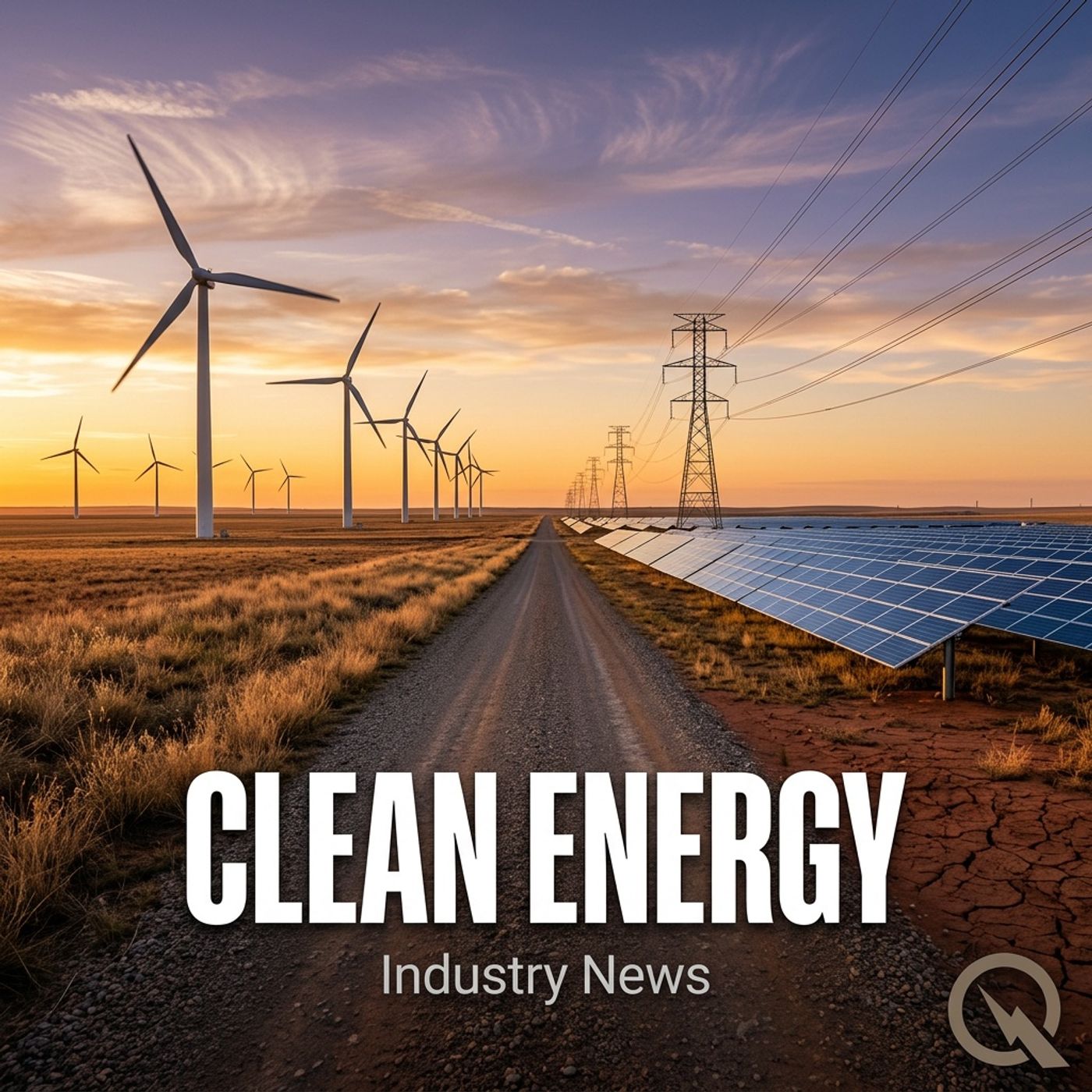
Clean Energy Boom: Navigating the Challenges and Opportunities in 2025
Published 1 year, 3 months ago
Description
The clean energy industry is poised for significant growth in 2025, driven by substantial private and public investments. Utility-scale solar and wind projects are expected to see record capacity increases, bolstering the U.S. energy grid and creating jobs and local tax revenue[2][4].
Key trends for 2025 include the continued dominance of solar and wind in new electricity generation builds, with these sources accounting for nearly 90% of all new capacity additions in the first nine months of 2024[4]. The U.S. Energy Information Administration (EIA) projects wind capacity to rise to 153.8 GW and solar to 128.2 GW by the end of 2024, with battery storage also seeing a record-breaking increase to 30.9 GW[4].
The industry is also seeing significant advancements in technology, with domestic efforts to bring the clean energy supply chain onshore paying dividends. Breakthroughs in battery technology and solar panel production are creating high-quality jobs and driving economic growth[2].
However, the sector faces challenges, particularly in the refining and marketing segment, where traditional fuels are projected to see modest long-term growth, and renewable fuels are facing oversupply and profitability issues[1]. The electric vehicle market has also seen a slowdown in growth, from over 30% year over year in 2023 to less than 13% in the first half of 2024[1].
Regulatory changes are expected to play a crucial role in 2025, with the new administration potentially introducing new policies to support the clean energy transition. The Inflation Reduction Act (IRA) has already accelerated innovation in renewable technologies, and state and local policies are becoming increasingly important in driving the pace of renewable deployment[4].
Industry leaders are responding to current challenges by diversifying into renewable energy, such as solar and wind power, which has provided economic stability and reduced fiscal breakeven burdens[1]. Cross-industry partnerships are also being formed to accelerate the commercialization of advanced technologies, including initiatives to aggregate clean power demand and introduce new clean transition tariffs[4].
In comparison to the previous reporting period, the clean energy industry has seen sustained growth, with 2024 being a record year for renewable energy investments and deployments[4]. The stage is set for positive momentum to continue in 2025, driven by new capital from tech companies, advancements in renewable technology, and a growing workforce trained for these innovations[2].
Specific examples of industry leaders responding to current challenges include Chevron and Marathon Petroleum Corporation forming partnerships with agricultural firms to secure a consistent feedstock supply and strengthen their biofuel supply chains[1]. Additionally, companies like SLB are developing integrated direct lithium-extraction solutions and collaborating with other companies to create new solutions for producing clean hydrogen[1].
Overall, the clean energy industry is on track for a robust 2025, driven by significant investments, technological advancements, and regulatory support. Despite challenges, industry leaders are adapting and innovating to meet the growing demand for clean energy.
This content was created in partnership and with the help of Artificial Intelligence AI
Key trends for 2025 include the continued dominance of solar and wind in new electricity generation builds, with these sources accounting for nearly 90% of all new capacity additions in the first nine months of 2024[4]. The U.S. Energy Information Administration (EIA) projects wind capacity to rise to 153.8 GW and solar to 128.2 GW by the end of 2024, with battery storage also seeing a record-breaking increase to 30.9 GW[4].
The industry is also seeing significant advancements in technology, with domestic efforts to bring the clean energy supply chain onshore paying dividends. Breakthroughs in battery technology and solar panel production are creating high-quality jobs and driving economic growth[2].
However, the sector faces challenges, particularly in the refining and marketing segment, where traditional fuels are projected to see modest long-term growth, and renewable fuels are facing oversupply and profitability issues[1]. The electric vehicle market has also seen a slowdown in growth, from over 30% year over year in 2023 to less than 13% in the first half of 2024[1].
Regulatory changes are expected to play a crucial role in 2025, with the new administration potentially introducing new policies to support the clean energy transition. The Inflation Reduction Act (IRA) has already accelerated innovation in renewable technologies, and state and local policies are becoming increasingly important in driving the pace of renewable deployment[4].
Industry leaders are responding to current challenges by diversifying into renewable energy, such as solar and wind power, which has provided economic stability and reduced fiscal breakeven burdens[1]. Cross-industry partnerships are also being formed to accelerate the commercialization of advanced technologies, including initiatives to aggregate clean power demand and introduce new clean transition tariffs[4].
In comparison to the previous reporting period, the clean energy industry has seen sustained growth, with 2024 being a record year for renewable energy investments and deployments[4]. The stage is set for positive momentum to continue in 2025, driven by new capital from tech companies, advancements in renewable technology, and a growing workforce trained for these innovations[2].
Specific examples of industry leaders responding to current challenges include Chevron and Marathon Petroleum Corporation forming partnerships with agricultural firms to secure a consistent feedstock supply and strengthen their biofuel supply chains[1]. Additionally, companies like SLB are developing integrated direct lithium-extraction solutions and collaborating with other companies to create new solutions for producing clean hydrogen[1].
Overall, the clean energy industry is on track for a robust 2025, driven by significant investments, technological advancements, and regulatory support. Despite challenges, industry leaders are adapting and innovating to meet the growing demand for clean energy.
This content was created in partnership and with the help of Artificial Intelligence AI