Episode Details
Back to Episodes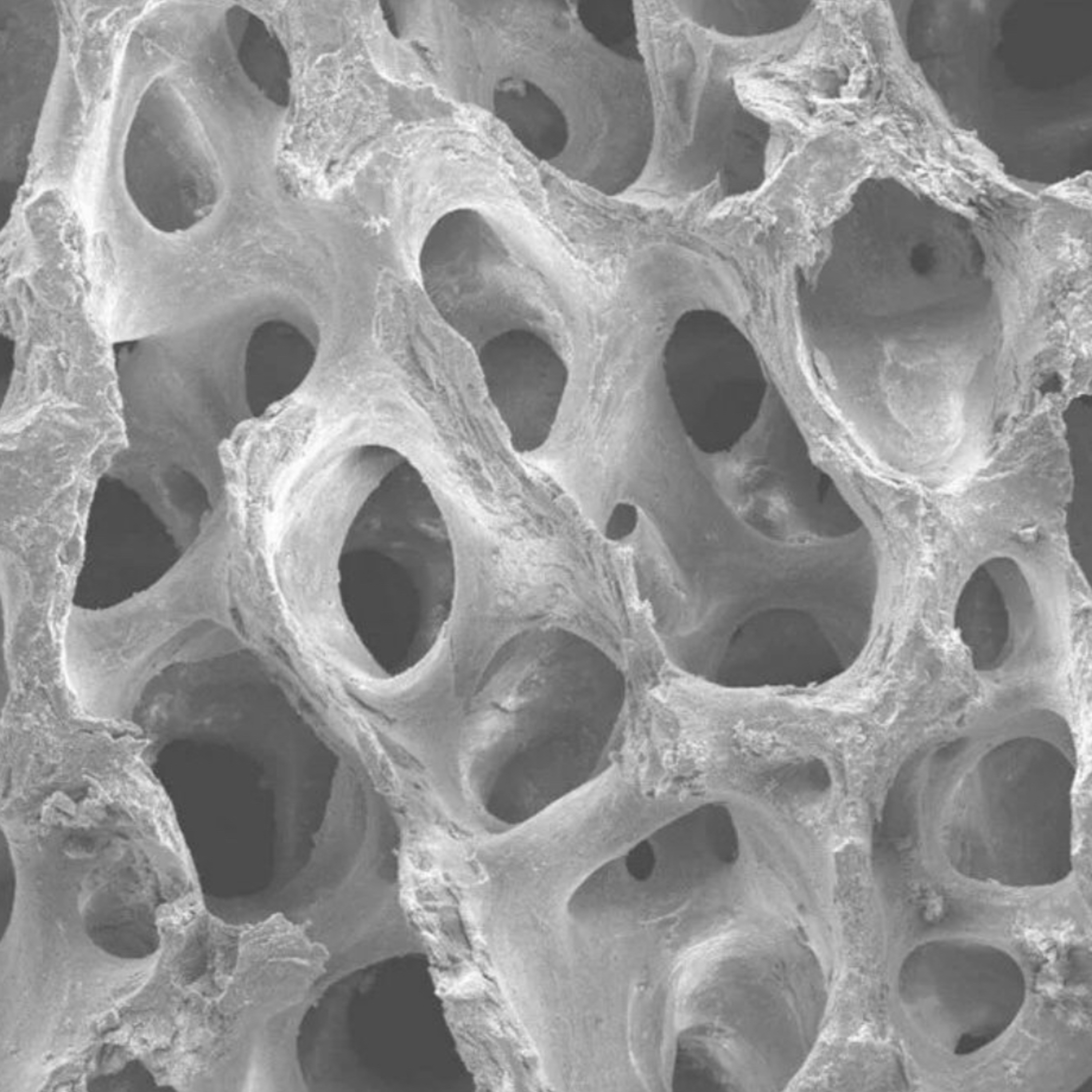
📝 “What are the Differences Between Demineralized & Mineralized Bone Grafts?”
Description
- 1.9.25
Quick Review #263 - #dental #dentist #dentistry #dentalstudent #dentalschool #teeth #cavity #wisdomteeth #extraction #oralsurgery #oralsurgeon #implant #implants #dentalimplant #dentalimplants
I - Demineralized Bone Grafts
Demineralized bone matrix (DBM) is processed to remove its mineral content, leaving behind an organic collagen matrix rich in growth factors like bone morphogenetic proteins (BMPs).
• Osteoconductive Properties: DBM retains some osteoconductive properties, providing a scaffold for bone growth. However, its structural integrity is less robust compared to mineralized grafts, as the mineral content provides mechanical strength.
• Osteoinductive Properties: DBM is highly osteoinductive due to its retained BMPs, which stimulate the differentiation of mesenchymal stem cells into osteoblasts. This makes DBM particularly effective in promoting new bone formation in defect sites.
Advantages of Demineralized Bone Grafts:
1. Enhanced Healing Potential: The presence of osteoinductive growth factors promotes faster and more extensive bone formation.
2. Versatility: DBM is available in various forms (gel, putty, or sheet), making it easy to adapt to irregular bone defects.
3. Reduced Immune Reaction: The processing removes cellular components, lowering the risk of an immune response.
II - Mineralized Bone Grafts
Mineralized bone grafts retain their natural mineral content, providing a rigid scaffold for bone regeneration.
• Osteoconductive Properties: Mineralized grafts are highly osteoconductive, offering a strong and stable scaffold that supports the ingrowth of blood vessels and new bone.
• Osteoinductive Properties: Mineralized bone grafts have minimal osteoinductive potential because the BMPs are sequestered within the mineral matrix and not readily available to stimulate cellular activity.
Advantages of Mineralized Bone Grafts:
1. Structural Stability: Their rigidity makes them ideal for load-bearing applications, such as augmenting alveolar ridges or supporting implants.
2. Volume Preservation: The mineral matrix resists resorption, helping to maintain graft volume over time.
3. Ease of Integration: The porous structure facilitates vascular infiltration and osteoblast migration.
References:
1. Wound Care Mart. (n.d.). Fix OSS bone grafts – Demineralized bone matrix
2. Miloro, M., Ghali, G. E., Larsen, P. E., & Waite, P. D. (Eds.). (2022). Peterson’s Principles of Oral and Maxillofacial Surgery (4th ed.). Springer
3. Misch, C. E. (2020). Contemporary Implant Dentistry (4th ed.). Elsevier
4. ChatGPT. 2025
#podcast #dentalpodcast #doctorgallagherpodcast #doctorgallagherspodcast #doctor #dentist #dentistry #oralsurgery #dental #dentalschool #dentalstudent #doctorlife #dentistlife #oralsurgeon #doctorgallagher