Episode Details
Back to Episodes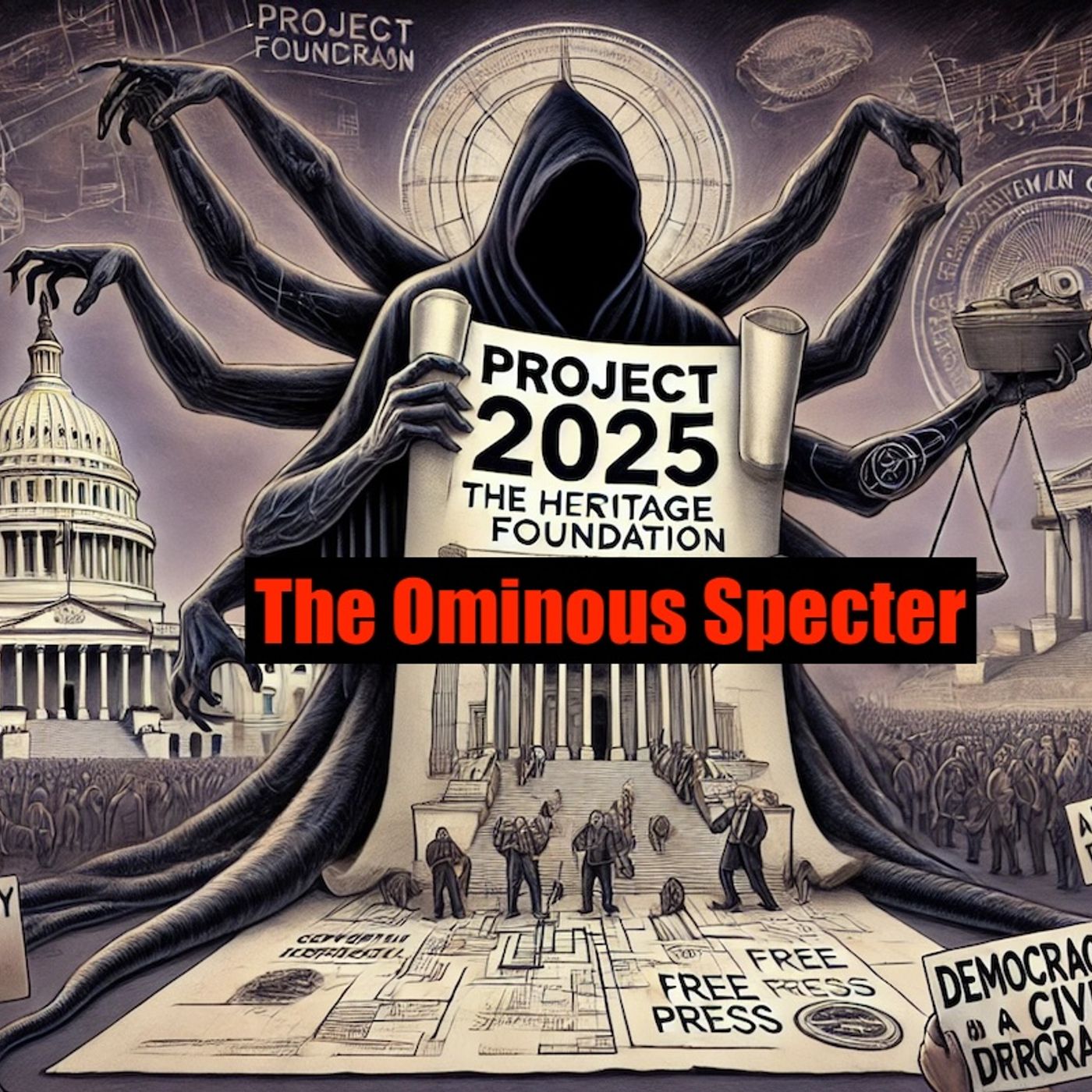
Reshaping America: Project 2025's Bold Agenda for the Next Republican President
Published 1 year, 1 month ago
Description
As I delve into the intricacies of Project 2025, a initiative spearheaded by the Heritage Foundation, I am struck by the sheer scope and ambition of its proposals. This is not just a policy guide; it is a comprehensive blueprint for a radical overhaul of American governance, tailored for the next Republican president, with many eyes on Donald Trump should he win the presidential election.
At its core, Project 2025 is built around four pillars: a detailed policy guide, a database of potential personnel for the next administration, a training program dubbed the "Presidential Administration Academy," and a playbook for actions to be taken within the first 180 days in office. Led by former Trump administration officials Paul Dans and Spencer Chretien, this project has drawn significant attention and criticism for its ties to Trump's past policies and current campaign promises[3].
One of the most striking aspects of Project 2025 is its vision for the federal government's structure and function. The project proposes dismantling several key departments, including the Department of Education, the Department of Homeland Security, and the Consumer Financial Protection Bureau. The Department of Education, for instance, would be abolished to facilitate school choice and increase parental control over schools, with federal programs and standards devolving to the states. This move would also see the elimination of programs like Head Start, which serves over 833,000 children living in poverty, and the federal fund for low-income students under Title I of the Elementary and Secondary Education Act of 1965[1][2].
The project's approach to education is emblematic of its broader philosophy: education is viewed as a private rather than a public good. This is reflected in proposals to make public funds available as school vouchers, even for parents sending their children to private or religious schools, and cuts to funding for free school meals. The critique of "woke propaganda" in public schools further underscores the project's commitment to conservative principles in education[1].
In the realm of healthcare, Project 2025 suggests significant changes, including cuts to Medicare and Medicaid, and the explicit rejection of abortion as healthcare. The plan also urges the government to eliminate coverage of emergency contraception and to use the Comstock Act to prosecute those who send and receive contraceptives and abortion pills. These proposals align with the project's stance on social issues, such as declaring that "men and women are biological realities and married men and women are the ideal, natural family"[1][2].
The project's energy and climate policies are equally contentious. It advocates for reducing environmental and climate change regulations to favor fossil fuels, repealing the Inflation Reduction Act, and closing offices focused on clean energy and climate change mitigation. Diana Furchtgott-Roth, the Heritage Foundation's energy and climate director, suggests that the EPA should support the consumption of more natural gas, despite concerns about methane leaks. The project also proposes relaxing restrictions on oil drilling and preventing states from adopting stricter regulations on vehicular emissions[1][4].
The impact on science agencies is profound. Project 2025 recommends prioritizing fundamental research over deployment, arguing that many current programs act as subsidies to the private sector. It proposes eliminating offices focused on energy technology development and climate change, and reshaping the U.S. Global Change and Research Program to align with conservative principles. The National Oceanographic and Atmospheric Administration (NOAA) would be broken up, with its climate change research activities heavily curtailed. The Environmental Protection Agency (EPA) would be subject to closer oversight by political appointees, with a focus on managerial skills ov
At its core, Project 2025 is built around four pillars: a detailed policy guide, a database of potential personnel for the next administration, a training program dubbed the "Presidential Administration Academy," and a playbook for actions to be taken within the first 180 days in office. Led by former Trump administration officials Paul Dans and Spencer Chretien, this project has drawn significant attention and criticism for its ties to Trump's past policies and current campaign promises[3].
One of the most striking aspects of Project 2025 is its vision for the federal government's structure and function. The project proposes dismantling several key departments, including the Department of Education, the Department of Homeland Security, and the Consumer Financial Protection Bureau. The Department of Education, for instance, would be abolished to facilitate school choice and increase parental control over schools, with federal programs and standards devolving to the states. This move would also see the elimination of programs like Head Start, which serves over 833,000 children living in poverty, and the federal fund for low-income students under Title I of the Elementary and Secondary Education Act of 1965[1][2].
The project's approach to education is emblematic of its broader philosophy: education is viewed as a private rather than a public good. This is reflected in proposals to make public funds available as school vouchers, even for parents sending their children to private or religious schools, and cuts to funding for free school meals. The critique of "woke propaganda" in public schools further underscores the project's commitment to conservative principles in education[1].
In the realm of healthcare, Project 2025 suggests significant changes, including cuts to Medicare and Medicaid, and the explicit rejection of abortion as healthcare. The plan also urges the government to eliminate coverage of emergency contraception and to use the Comstock Act to prosecute those who send and receive contraceptives and abortion pills. These proposals align with the project's stance on social issues, such as declaring that "men and women are biological realities and married men and women are the ideal, natural family"[1][2].
The project's energy and climate policies are equally contentious. It advocates for reducing environmental and climate change regulations to favor fossil fuels, repealing the Inflation Reduction Act, and closing offices focused on clean energy and climate change mitigation. Diana Furchtgott-Roth, the Heritage Foundation's energy and climate director, suggests that the EPA should support the consumption of more natural gas, despite concerns about methane leaks. The project also proposes relaxing restrictions on oil drilling and preventing states from adopting stricter regulations on vehicular emissions[1][4].
The impact on science agencies is profound. Project 2025 recommends prioritizing fundamental research over deployment, arguing that many current programs act as subsidies to the private sector. It proposes eliminating offices focused on energy technology development and climate change, and reshaping the U.S. Global Change and Research Program to align with conservative principles. The National Oceanographic and Atmospheric Administration (NOAA) would be broken up, with its climate change research activities heavily curtailed. The Environmental Protection Agency (EPA) would be subject to closer oversight by political appointees, with a focus on managerial skills ov