Episode Details
Back to Episodes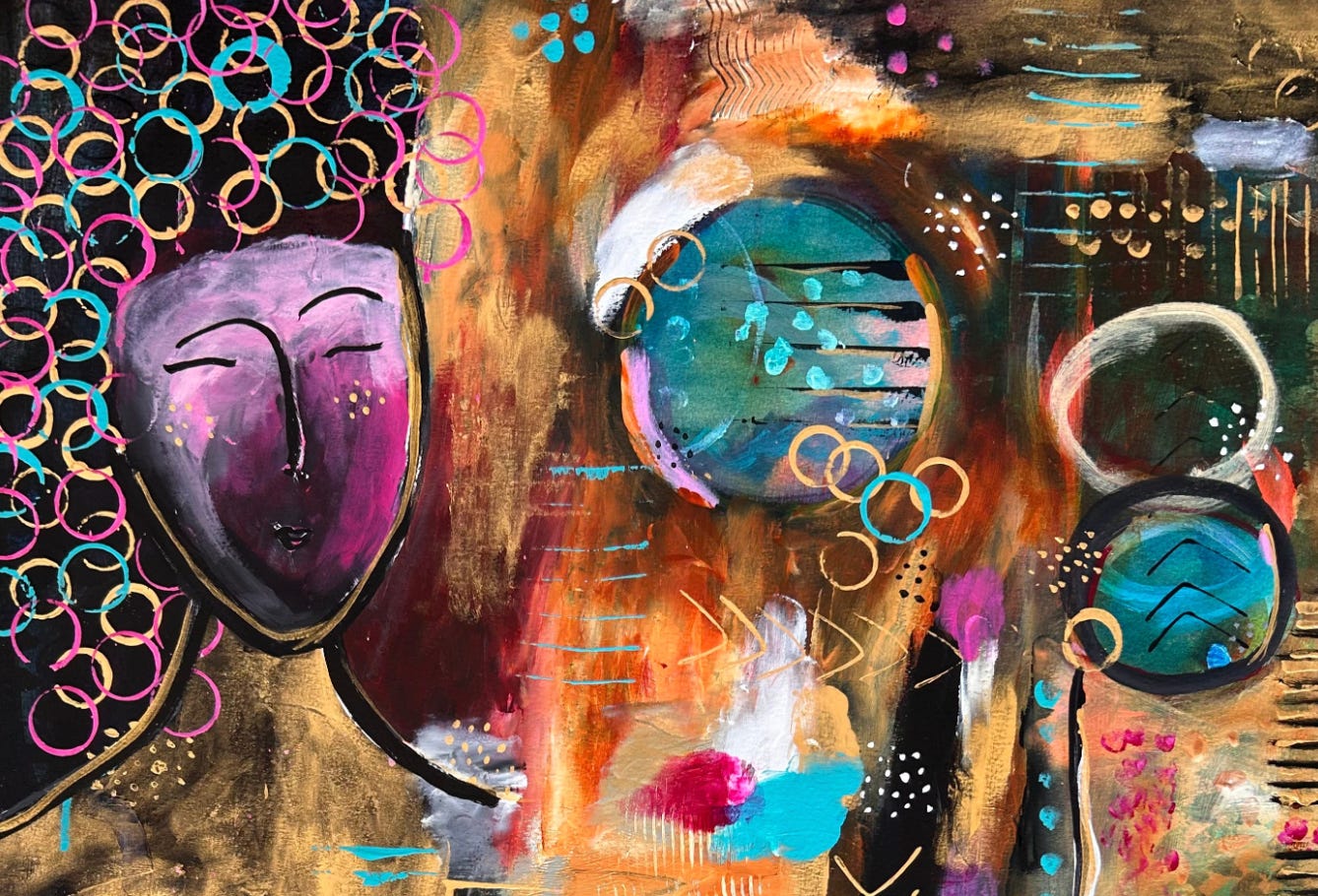
Our Dream of The World
Description
A monk asked Hongzhi, “What about the ones who have gone?”
Hongzhi said, “White clouds rise to the top of the valleys, blue peaks
lean into the empty sky.”
The monk asked, “What about the ones who return?”
Hongzhi said, “Heads covered in white hair, they leave the cliffs and
valleys. In the dead of night they descend through the clouds to the
market stalls.”
“What about the ones who neither come nor go?”
“The stone woman calls them back from their dream of the world.”
As the year comes to an end, I have been spending time with the archetype of the Stone Woman. A character who mysteriously turns up throughout the Chan koan tradition. We find her getting up to dance in the Precious Mirror Samadhi, giving birth to a child at night in the Mountains and Rivers Sutra and calling us back from our dream of the world in this dialogue with Hongzhi.
Who is this woman of stone?
Perhaps you have met her as the ancient boulders that watch over you during a favorite hike, or the large rocks you used to climb and rest on as a child. Perhaps you’ve held her hand while walking on the beach or along a river. Or maybe you’ve encountered her in the stone buildings or concrete sidewalks of your neighborhood.
Her stillness and quiet are reminiscent of your own deeply silent Mind.
Her pregnant darkness allows all of creation to spring forth. Including you, and me, and each thought, word, expression, desire, feeling and sensation.
Koans contain layers of meaning, and while their intention is to aid us in awakening to the profound truth of non-separation—they also have a way of meeting us exactly where we are. So as one year turns into another. Let’s take the questioner’s inquiries to heart.
What about the ones who have gone? They ask—
Well, where have you gone? These last 12 months. What/who did you visit?
What did you see? What experiences did you seek out?
What did you learn from your going?
Is there a word, phrase, image—that speaks to your going and learning this last year?
Hongzhi gives us this one: “White clouds rise to the top of the valleys, blue peaks lean into the empty sky.”
Then we are asked: What about the ones who return?
What did you return to? Where did you take refuge?
What are places of return for you? Physical, mental, emotional, spiritual?
Who do you return to?
How have you shared or offered yourself? Who/what are you in service to?
Is there a connection to going/learning—and returning?
Is there an image, word, phrase connected to returning, refuge or offering?
Hongzhi again gives us one: “Heads covered in white hair, they leave the cliffs and valleys. In the dead of night they descend through the clouds to the market stalls.”
Lastly the questioner asks, what about those who neither come nor go?
What have you stayed with? Whether its sobriety, a relationship, vows, commitments, a creative project, a home, a child—reflect on staying
What commitments did you honor? What values did you live by?
Reflect on the challenges and joys of staying.
What image, word or phrase captures the art of staying for you.
Hongzhi says: The stone woman calls them back from their dream of the world
Now, for a moment let yourself be here, let thoughts come and go, body sensations come and go, but really be here at the stillness of your being.
Whats it like to be here—here?
Be the stone woman.
Connect