Episode Details
Back to Episodes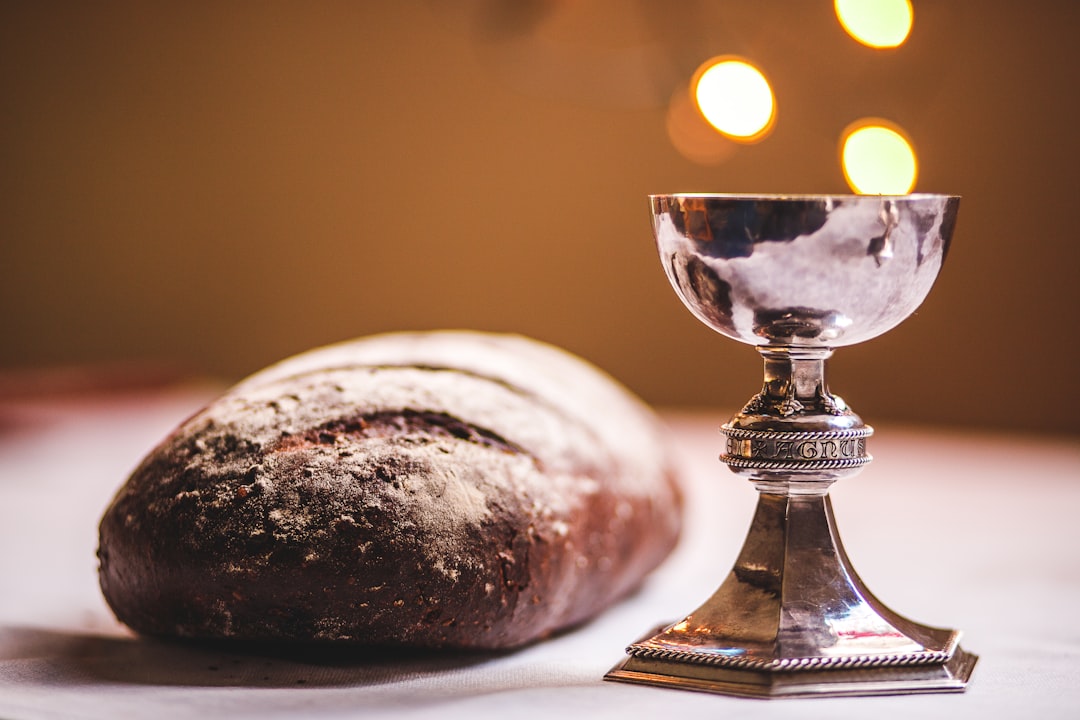
Honor the Giver of Bread and Wine
Description
Transcript and summary produced by AI — please comment if you notice any errors.
Outline of the Sermon
I. Introduction
* Opening prayer.
* Reading of Psalm 110 – the most quoted Old Testament passage in the New Testament.
* Emphasis on Jesus’ identity as the Messiah and the "Lord" in Psalm 110.
II. Jesus and Psalm 110
* Jesus uses Psalm 110 to challenge the Pharisees’ understanding of the Messiah.
* The Messiah is both David’s son and David’s Lord, showing Jesus’ divinity.
* Key theme: Jesus is the warrior king, seated at God’s right hand, equal with God.
III. Melchizedek and Genesis 14
* Introduction to Melchizedek, mentioned in Psalm 110 and Genesis 14.
* Genesis 13 recap: Lot chooses Sodom for prosperity.
* Genesis 14 narrative:
* War between four powerful kings (led by Ketolamer) and five Canaanite kings.
* Lot is captured in the conflict.
IV. Abram’s Response and Rescue
* Abram hears of Lot’s capture and leads 318 trained men in a successful night raid.
* He rescues Lot and others, recovers their possessions.
V. Meeting Melchizedek
* Melchizedek, King of Salem (peace), Priest of God Most High, meets Abram.
* Brings bread and wine, blesses Abram, and acknowledges God’s deliverance.
* Abram responds by giving a tenth of the plunder.
VI. Spiritual Significance of Melchizedek
* His title (King of Salem), name (King of Righteousness), and roles (priest-king) are unique.
* A foreshadowing of Christ:
* Jesus is a priest not by Levitical lineage but after Melchizedek’s order.
* Referenced in Hebrews 5–7 and Psalm 110.
VII. Jesus: King of Righteousness and Peace
* Jesus is:
* Righteousness (1 Cor. 1:30; 2 Cor. 5:21).
* Peace (Eph. 2:14; Col. 1:20).
* Through Jesus, we have peace with God (Rom. 5).
* Jesus is both king and priest, interceding for us.
VIII. Contrast Between Abram and the King of Sodom
* King of Sodom offers Abram all the goods.
* Abram refuses: he will not let evil claim credit for his prosperity.
* Instead, he honors God with a tenth and gives the rest to his allies.
IX. Principles of Generosity
* Abram’s giving was an act of faith and worship, not obligation.
* Application of 2 Corinthians 9:6–15:
* God provides so we can give generously.
* Giving is an act of gratitude and trust in God’s provision.
X. Conclusion
* The life of Abram models faith in action:
* Obedience, sacrifice, generosity.
* Final challenge: How is God calling you to honor Him?
* Closing prayer.
📝 Summary of the Sermon
This sermon explores the rich connections between Genesis 14, Psalm 110, and the New Testament teachings on Jesus as both King and Priest. It begins with a reading of Psalm 110, emphasizing its prophetic description of a Messiah who is both divine and victorious, seated at God’s right hand. The sermon then turns to Genesis 14, where Abram rescues his nephew Lot from invading kings. After the battle, Abram is gree