Episode Details
Back to Episodes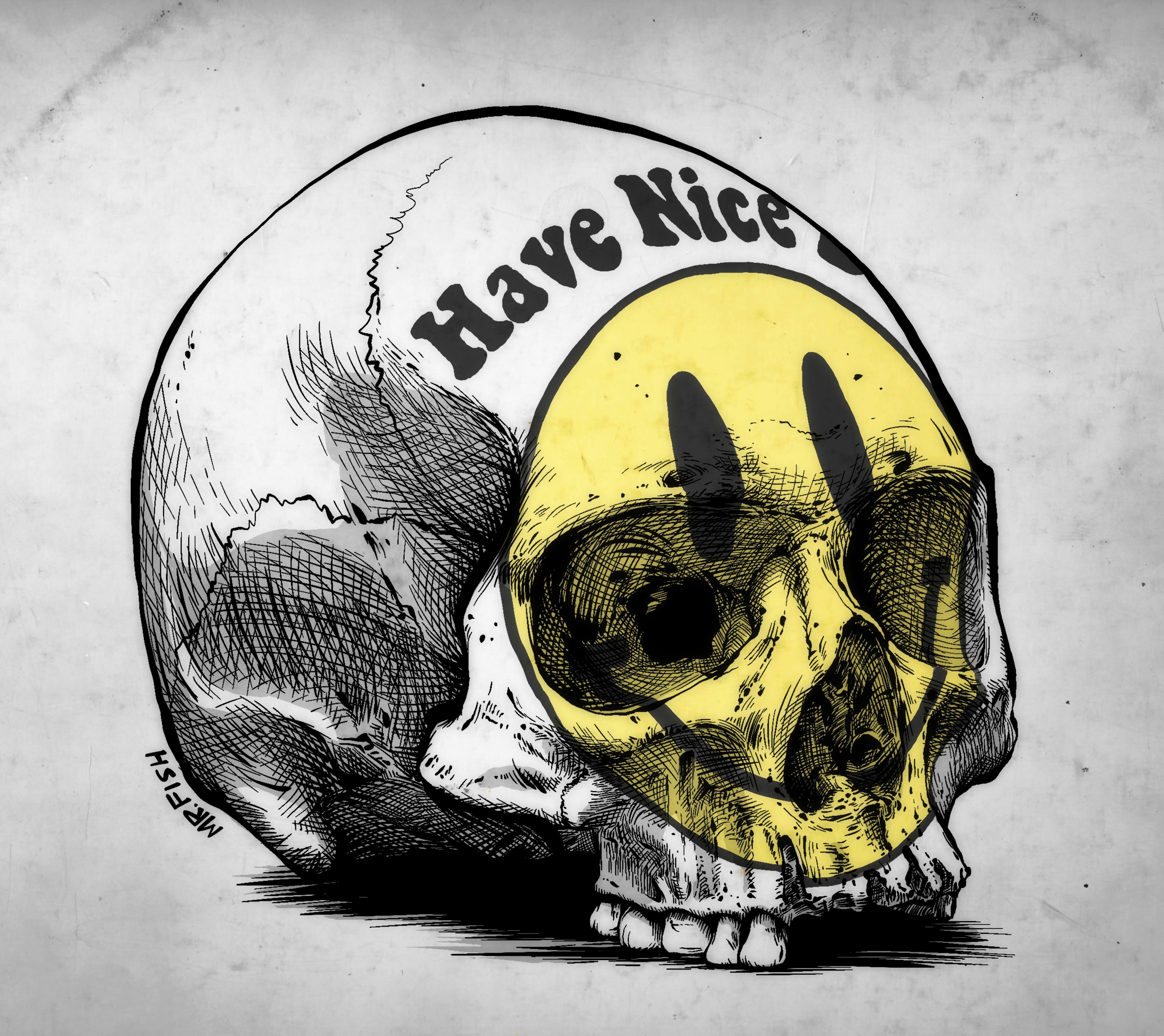
Organized Oblivion - Read by Eunice Wong
Description
This article is read by Eunice Wong, a Juilliard-trained actor, featured on Audible's list of Best Women Narrators. Her work is on the annual Best Audiobooks lists of the New York Times, Audible, AudioFile, & Library Journal. www.eunicewong.actor
Text originally posted Nov. 18, 2024
Forget Us Not - by Mr. Fish
NEW YORK: I am in the The Krikor and Clara Zohrab Information Center next to the St. Vartan Armenian Cathedral in Manhattan. I am holding a bound, hand-written memoir, which includes poetry, drawings, and scrapbooked images, by Zaven Seraidarian, a survivor of the Armenian genocide. The front cover of the book, one of six volumes, reads “Bloody Journal.” The other volumes have titles such as “Drops of Springtime,” “Tears” and “The Wooden Spoon.”
“My name will remain immortal on the earth,” the author writes. “I will speak about myself and tell more.”
The center houses hundreds of documents, letters, hand-drawn maps of villages that have disappeared, sepia photographs, poems, drawings and histories — much of it untranslated — on the customs, traditions and notable families of lost Armenian communities.
Jesse Arlen, the director of the center, looks forlornly at the volume in my hand.
“No one has probably read it, looked at it or even knew it was here,” he says.
He opens a box and hands me a hand drawn map by Hareton Saksoorian of Havav village in Palu, where Armenians in 1915 were massacred or expelled. Saksoorian drew the map from memory after he escaped. The drawings of Armenian homes have the tiny, inked in names of the long dead.
This will be the fate of the Palestinians in Gaza. They too will soon battle to preserve memory, to defy an indifferent world that stood by as they were slaughtered. They too will doggedly seek to preserve scraps of their existence. They too will write memoirs, histories and poems, draw maps of villages, refugee camps and cities that have been obliterated, set down painful stories of butchery, carnage and loss. They too will name and condemn their killers, lament the extermination of families, including thousands of children, and struggle to preserve a vanished world. But time is a cruel master.
Intellectual and emotional life for those who are cast out of their homeland is defined by the crucible of exile, what the Palestinian scholar Edward Said told me is “the unhealable rift forced between a human being and a native place.” Said’s book “Out of Place” is a record of this lost world.
The Armenian poet Armen Anush was raised in an orphanage in Aleppo, Syria. He captures the life sentence of those who survive genocide in his poem “Sacred Obsession.”
He writes:
Country of light, you visit me every night in my sleep.
Every night, exalted, as a venerable goddess,
You bring fresh sensations and hopes to my exiled soul.
Every night you ease the waverings of my path.
Every night you reveal the boundless deserts,
The open eyes of the dead, the crying of children in the distance,
The crackle and red flame of the countless burned bodies,
And the unsheltered caravan, always unsure, always faltering.
Every night the same hellish, deathly scene –
The tired Euphrates washing the blood of