Episode Details
Back to Episodes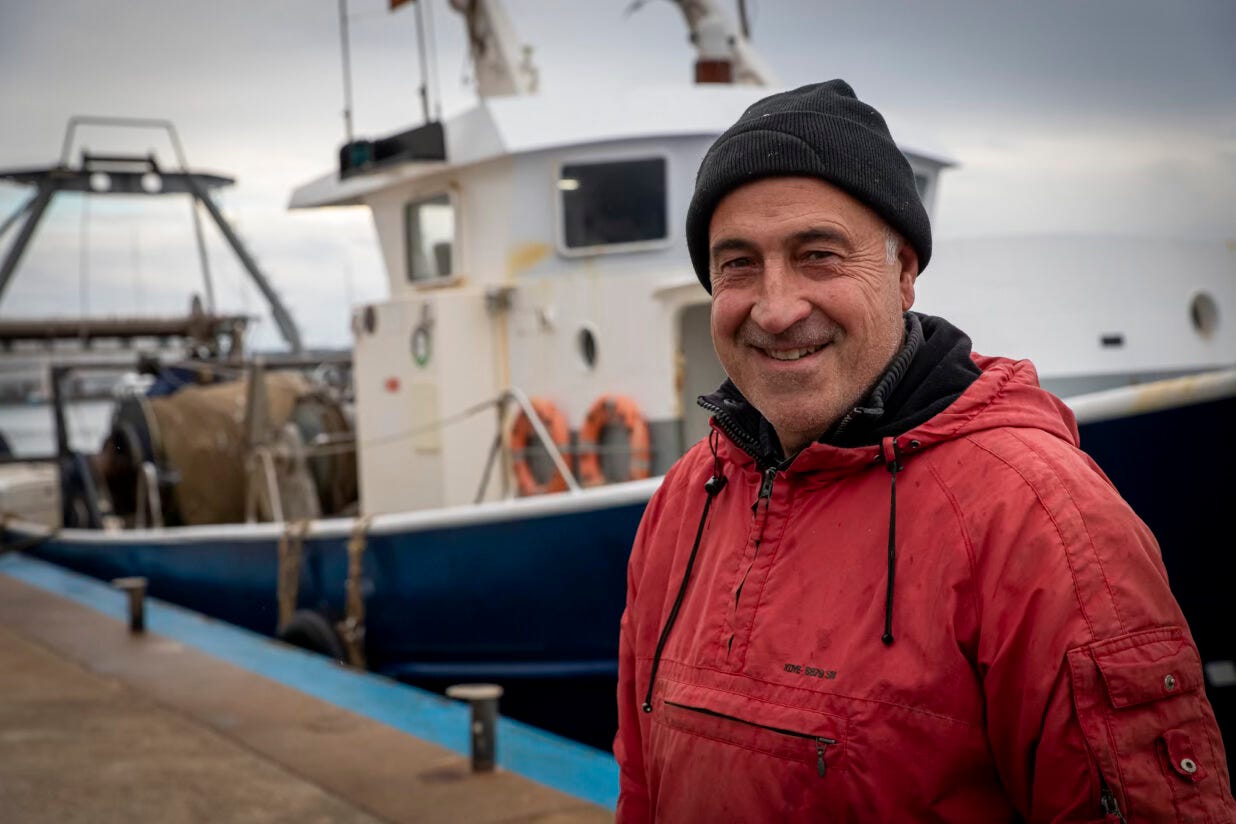
Fisherman's Blues
Description
Farmers, ranchers, and fishermen, the pillars of the primary sector, have been frequently depicted in literature throughout history. Growing up in the shoreline, from the Caribbean to the Mediterranean Sea, and even the Atlantic Ocean for extended periods, I’ve developed a stronger connection with those who make their living as fishermen.
Yesterday, I was stunned while reading an interview with Vicenç Comí, the skipper of the trawler Sinera. He has been struggling to survive the absurd regulations imposed by the bureaucrats of the European Union. However, the most recent decision, which granted him only a 27-day fishing permit, effectively sealed his fate. According to the documents he has been diligently collecting in archives, his family has been engaged in fishing for four centuries, spanning seventeen generations.
After two adventurous years in the Airborne, where I experienced military skydiving without any sense of mortality, due to my youthful age and the boldness that came with it, I landed a plum job as a seaman, which allowed me to read all I could for ten consecutive years, averaging twelve novels per week. I blissfully called my own PhD on Comparative Literature. By then, in the glorious 90s, I was convinced that the essence of being a fiction writer was more about reading than writing, lest I resorted to overused clichés and conventional themes, because the meaning of the word novel means write something new or unusual in an interesting way.
From the dock of the marina, surrounded by slender sailboats and formidable motorboats, I witnessed every day the trawlers embarking on their journeys before sunrise and returning at five in the afternoon, preparing on the deck the boxes for the fish auction. Sometimes, they raced each other to moor their boats before the price of the fish dropped, and the mast of the sailboats began to rock between the clanging of the halyards, because they didn’t obey the three-knots speed limit of the roadstead.
And those trawlers were lucky ones, given that seine-haul fishing was conducted during the night shift, sailing at ten in the evening and returning at port at eight in the morning. It goes without saying that fishboats raised a ruckus when they were informed by radio on their returning about the prices dropping in the fish auction, requiring them at the mouth of the port to throw boxes overboard full of fresh sardines and whatnot that the tide sent to the marina dock, in order to avoid losing money.
I’m not getting political to affirm that the European Union razed vineyards before to satisfy the jealous French and did not move a pinky to protect the textile industry against China. But if the last intention of those bureaucrats is to send Vicenç Comí out of business, maybe it is reason enough to leave the Union like the British did before. As incredible as it sounds, farmers, ranchers, and fishermen had to comply with a bureaucratic rigmarole or be fined. I’m not surprised at all that youngsters don’t see any future in the primary sector that their fathers once had.
Vicenç Comí is certain that the people who control his fate are a bunch of dumbheads, corrupted officials, or simply ignorant of his ancient craft. Perhaps they intend to outsource the capture of fish to distant seas and transform the Mediterranean coastlines into a massive tourist destination, like they already did with Balearian islands, catering to the preferences of pale northern Europeans. Who knows? But it’s certainly not a positive development. After skipper Comí, the fishmonger will follow, and their demise will condemn us to consuming frozen fish for the remainder of our lives, sending all the restaurants of the port to a new level of blandness.
My memories are filled with the tantalizing fragrance of barbecued sardines and red mullets, which I always ate by hand, just like the fresh shrimp. I also remember hitting the living octopus against the floor before placing it