Episode Details
Back to Episodes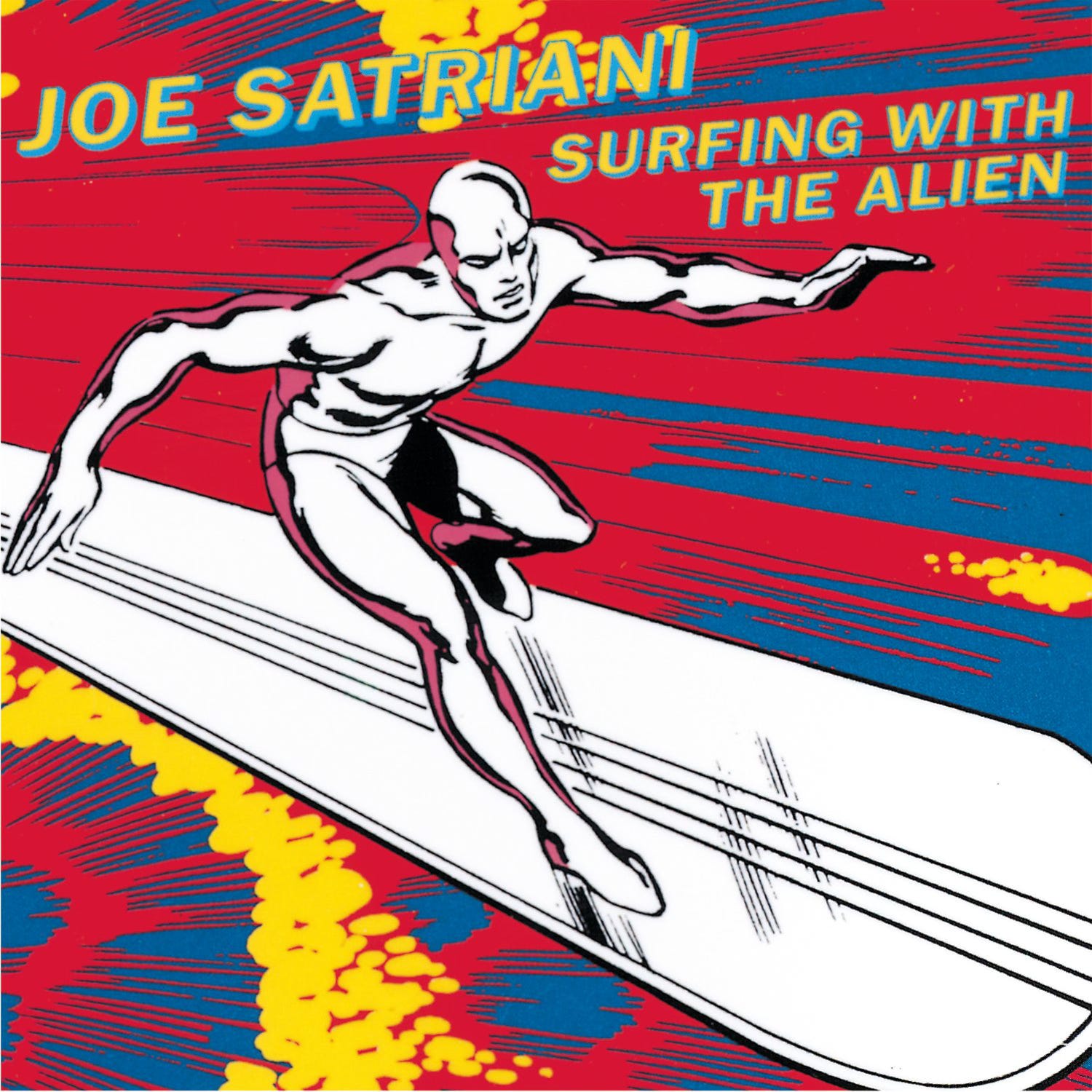
Joe Satriani - Surfing with the Alien | 80s Metal Revisited
Description
In 1987, the world of rock and metal was ruled by flamboyant frontmen and larger-than-life bands. But with Surfing with the Alien, Joe Satriani flipped the script. An instrumental album led not by a voice but by six strings, it captured the imaginations of rock fans and musicians alike, proving that the guitar itself could sing.
Joe Satriani’s Surfing with the Alien is often hailed as a milestone in instrumental rock, but its legacy isn’t without debate. While many view it as a masterful fusion of melody and virtuosity, others see it as emblematic of a niche genre that struggles to connect emotionally with a wider audience. Released in 1987, the album showcased Satriani’s technical brilliance and melodic instincts, but its reception reflects a mix of awe, skepticism, and nostalgia.
The Story Behind the Album
Satriani’s journey to guitar stardom began modestly, teaching guitarists like Steve Vai and Kirk Hammett while scraping by in California’s music scene. After a lukewarm reception to his 1986 debut, Not of This Earth, Satriani poured everything he had—financially and creatively—into his follow-up, Surfing with the Alien. The result was a lean, melody-focused album recorded on a modest $13,000 budget that sought to balance technical guitar work with a broader emotional appeal.
The album’s comic book-inspired cover, featuring Marvel’s Silver Surfer, hinted at the larger-than-life ambitions within. Tracks like the title song and “Satch Boogie” delivered on that promise with dizzying technicality, while the ballad “Always With Me, Always With You” showed a more tender, melodic side. These contrasts earned Satriani critical acclaim and a Grammy nomination, yet the album’s broader appeal has remained divisive.
A High-Water Mark for Some, Overindulgent for Others
For fans of instrumental rock, Surfing with the Alien is a triumph. Its melodic hooks and memorable themes make it stand out in a genre often criticized for prioritizing flash over substance. Songs like “Ice 9” and “Crushing Day” blend technical mastery with accessibility, offering riffs and melodies that resonate well beyond the confines of the guitar-obsessed. It’s an album that has moments of brilliance, where the guitar takes on the role of a vocalist, singing stories through its strings.
But not everyone is moved by its charms. For some, the album represents the limitations of instrumental guitar music—tracks that, while impressive, can feel like exercises in technique rather than fully realized emotional experiences. The lack of lyrics and a frontman, which are often strengths for Satriani’s fans, are viewed as barriers for those who find the album’s tone more clinical than heartfelt. Surfing with the Alien’s success in breaking into the mainstream is undeniable, yet its staying power with broader audiences remains a topic of contention.
A Snapshot of a Moment in Rock History
Released at a time when guitar gods like Eddie Van Halen and Yngwie Malmsteen were dominating rock, Surfing with the Alien carved out its own niche. Unlike the baroque complexity of Malmsteen or the blues-rock swagger of Van Halen, Satriani’s approach was focused on melody and structure. While technically dazzling, his songs were crafted to stick in the listener’s mind, often resembling vocal melodies translated to the guitar.
Yet, the album’s groundbreaking status also reflects a specific era. Its mix of virtuosic playing and synthesized production feels firmly rooted in the 1980s, which can be both an asset and a drawback depending on the listener. For those nostalgic for that era, Surfing with the Alien is a time capsule of innovation and possibility. For others, it may feel dated or too polished compared to the raw energy of vocal-driven rock bands of the same time.
The Legacy of Surfing with t