Episode Details
Back to Episodes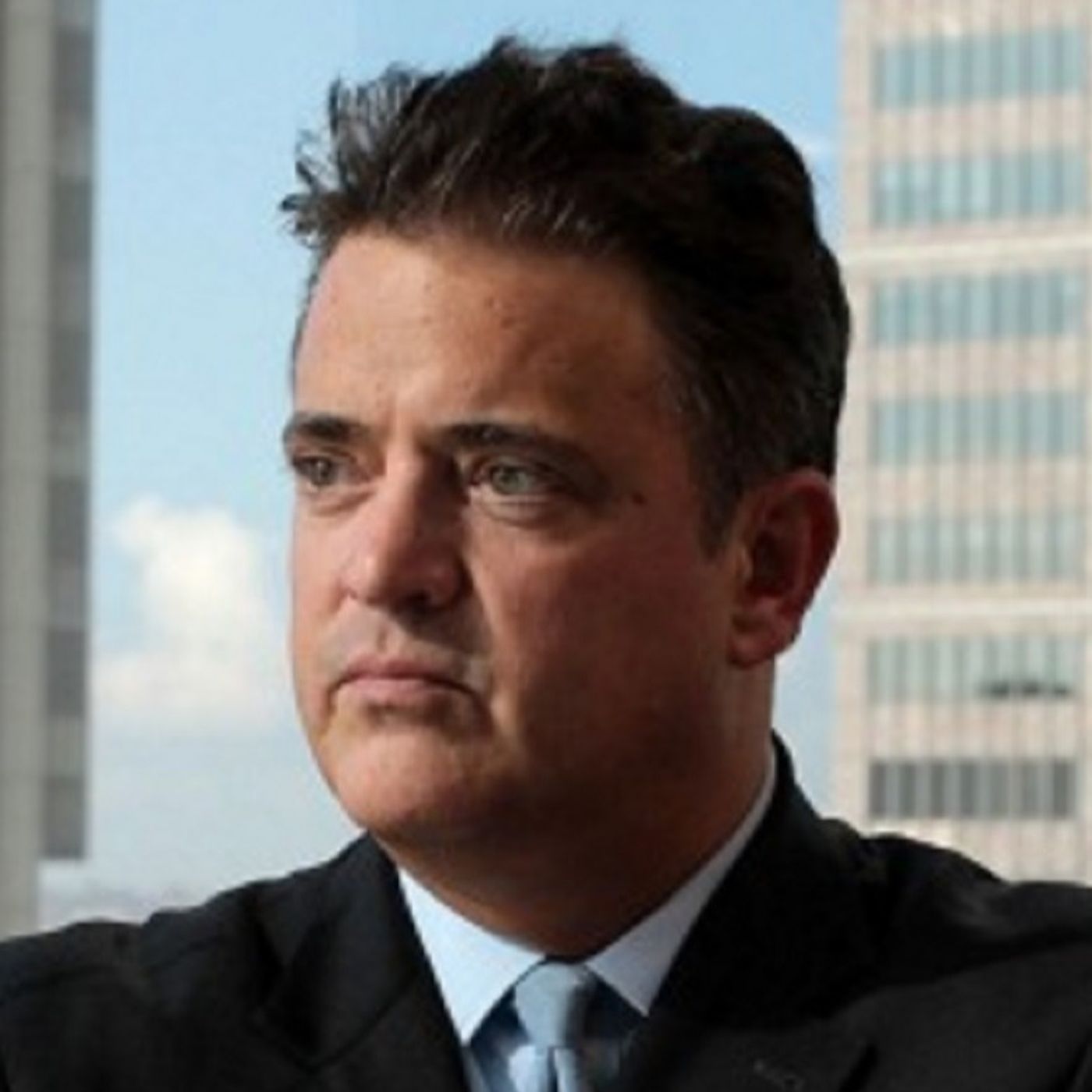
Christopher Young: "After the Exxon Proxy Fight, Directors Realize That They May Be Taken Out By Sub 1% Shareholders."
Episode 39
Published 5 years, 1 month ago
Description
- Intro.
- (1:40) - Start of interview.
- (2:08) - Chris's "origin story": he grew up in East Greenwich, Rhode Island, but has spent most of his adult life in NY or outside of DC. He started out as a derivatives trader right out of college. Then he went to law school. After law school, he joined White & Case and later Sullivan & Cromwell to focus on M&A transactions. In the late 1990s (during the "dot com" era), he joined Bear Sterns as an investment banker in the tech group.
- (7:40) - On his move to join ISS in a newly created role as director of M&A research, in the midst of the HP-Compaq merger. "I think I was hired originally as a CYA sort of process." "But I happened to arrive at the onset of what I think was the beginning of the modern age of hedge fund activism in 2004 (Bill Ackman had just formed Pershing Square, Nelson Peltz started Trian, Jeff Smith with Starboard Value, etc.). It was perfect timing and fortuitous."
- (10:54) - On how ISS makes its voting recommendations on contested M&A and activist campaigns, and how the first thing he did at ISS was to create a framework to deal with contested M&A situations and proxy fights for board seats. The framework is still being used today by the ISS Special Situations Team. Institutional investors needed this guidance.
- (15:53) - On how he grew the ISS Special Situations Team over time, with people experienced on public companies. Very different team than those of say-on-pay proposals or other more junior analysts. "The way I thought about it was the moment I pressed the button of recommendation, if I had all my retirement money on that one specific stock, how would I vote after I had the inside look."
- (20:34) - On the importance of the ISS vote: "Depending on the make-up of the share register, between 20-30% of the share register is going to be at least influenced by the ISS vote, in particular if Glass Lewis has the same recommendation."
- (21:52) - On his transition from ISS to Credit Suisse ("after 7 proxy seasons at ISS"). He joined CS to start a dedicated contested situations team on the corporate advisory side: "Today almost every bank has a dedicated team but back then it was only Goldman Sachs." "Banks do not represent activists, the market has dictated that. If you cross that Rubicon, the competition will use that against you. I personally think that is shortsighted, it may change over time. Just like banks did not represent hostile bidders in M&A, until they did."
- (27:19) - On his current role at Jefferies. "It's a growing platform seeking to capture market share for public company M&A." We have a team of 5 people dedicated solely on hostile M&A, contested "friendly" M&A transactions and activism defense.
- (30:00) - His take on the current proxy season, including Engine No.1's successful proxy fight with Exxon Mobil: "I've seen a lot of events that were deemed landmark, and Exxon could indeed be deemed a landmark situation. I know Charlie Penner (from his time at Jana P