Episode Details
Back to Episodes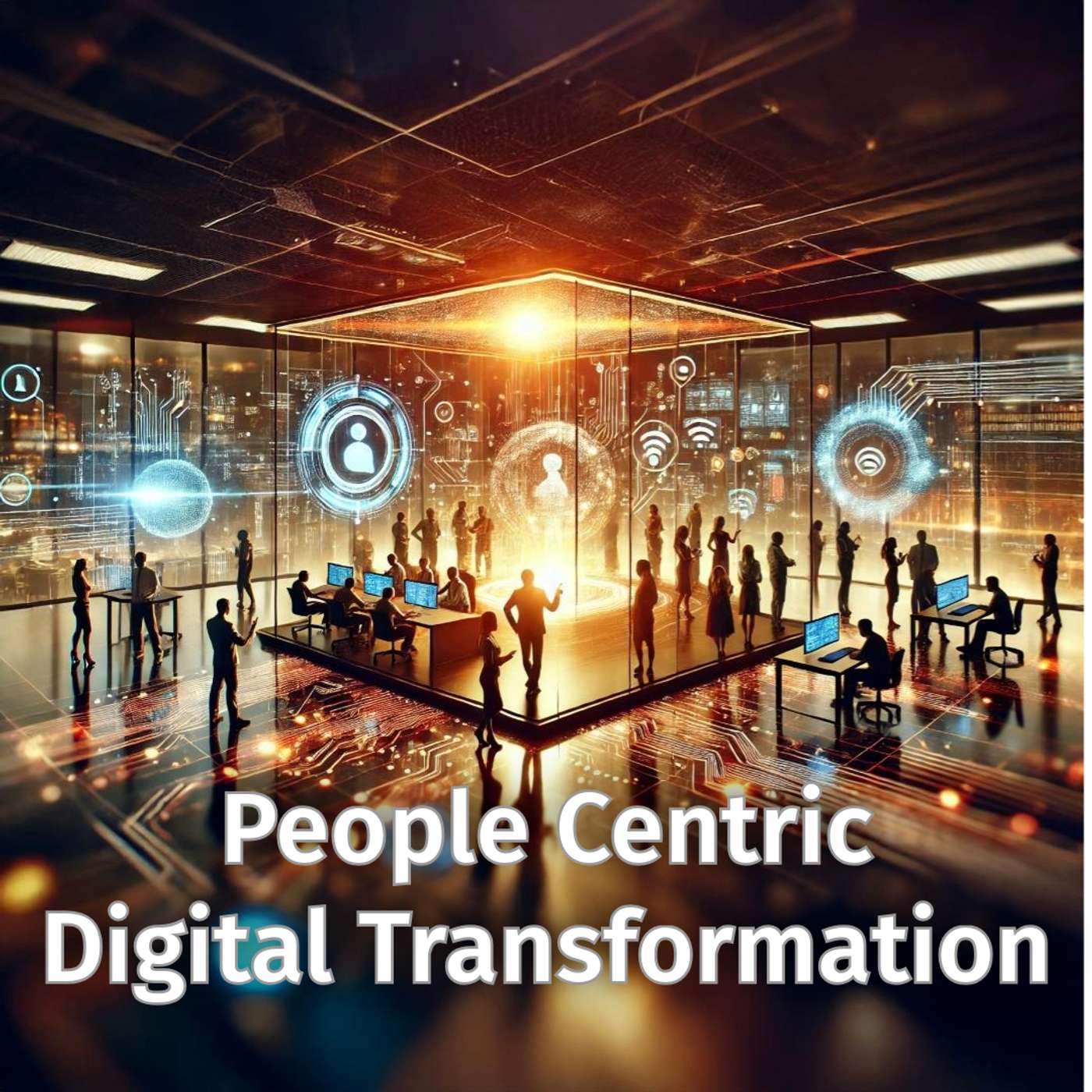
#234 People First Digital Transformation
Description
Check out my new book AI Augmented Teams on Amazon or on my website paidar.ai/books.
In this conversation, Darren Pulsipher and Suriel Arellano explore the intricate relationship between technology and people in the context of digital transformation. Suriel shares his journey from a technical background to becoming a leader in integrating technology with a people-first approach. They discuss the challenges organizations face during digital transformations, emphasizing the importance of culture and change management and addressing fears of job displacement due to AI. Suriel introduces a cultural transformation framework involving top-level executives as culture shifters, mid-management as culture changers, and all employees as culture bearers. The conversation concludes with insights into the future of technology and the necessity for organizations to adapt to ongoing changes. Takeaways * Suriel's journey from technical support to leadership in technology integration. * The importance of a people-centric approach in digital transformation. * 70% of digital transformations fail due to resistance to change. * Technology should empower humanity, not replace it. * Cultural shifts are essential for successful technology adoption. * Job displacement concerns must be addressed proactively. * A top-down approach is crucial for cultural change. * Organizations must adapt to the rapid pace of technological change. * The ecosystem around revolutionary technologies is vital for their success. * Change management strategies are necessary to mitigate fears and resistance. Chapters 00:00 Introduction and Backstory 06:01 Challenges of Early Technology Adoption 12:07 People-Centric Approach to Technology 18:04 Addressing Job Displacement Concerns 24:03 Framework for Cultural TransformationIn this conversation, Darren Pulsipher and Suriel Arellano explore the intricate relationship between technology and people in the context of digital transformation. Suriel shares his journey from a technical background to becoming a leader in integrating technology with a people-first approach. They discuss the challenges organizations face during digital transformations, emphasizing the importance of culture and change management and addressing fears of job displacement due to AI. Suriel introduces a cultural transformation framework involving top-level executives as culture shifters, mid-management as culture changers, and all employees as culture bearers. The conversation concludes with insights into the future of technology and the necessity for organizations to adapt to ongoing changes. Takeaways * Suriel's journey from technical support to leadership in technology integration. * The importance of a people-centric approach in digital transformation. * 70% of digital transformations fail due to resistance to change. * Technology should empower humanity, not replace it. * Cultural shifts are essential for successful technology adoption. * Job displacement concerns must be addressed proactively. * A top-down approach is crucial for cultural change. * Organizations must adapt to the rapid pace of technological change. * The ecosystem around revolutionary technologies is vital for their success. * Change management strategies are necessary to mitigate fears and resistance. Chapters 00:00 Introduction and Backstory 06:01 Challenges of Early Technology Adoption 12:07 People-Centric Approach to Technology 18:04 Addressing Job Displacement Concerns 24:03 Framework for Cultural Transformation
The Human Element in Technology Integration
As we rush towards the next significant technological advancement, it’s essential not to forget that technology exists to serve humanity—not the other way around. The importance of placing people at the forefront of digital transformation cannot be overstated. When organizations fail to consider the human element, they risk encountering significant resistance to change. However,