Episode Details
Back to Episodes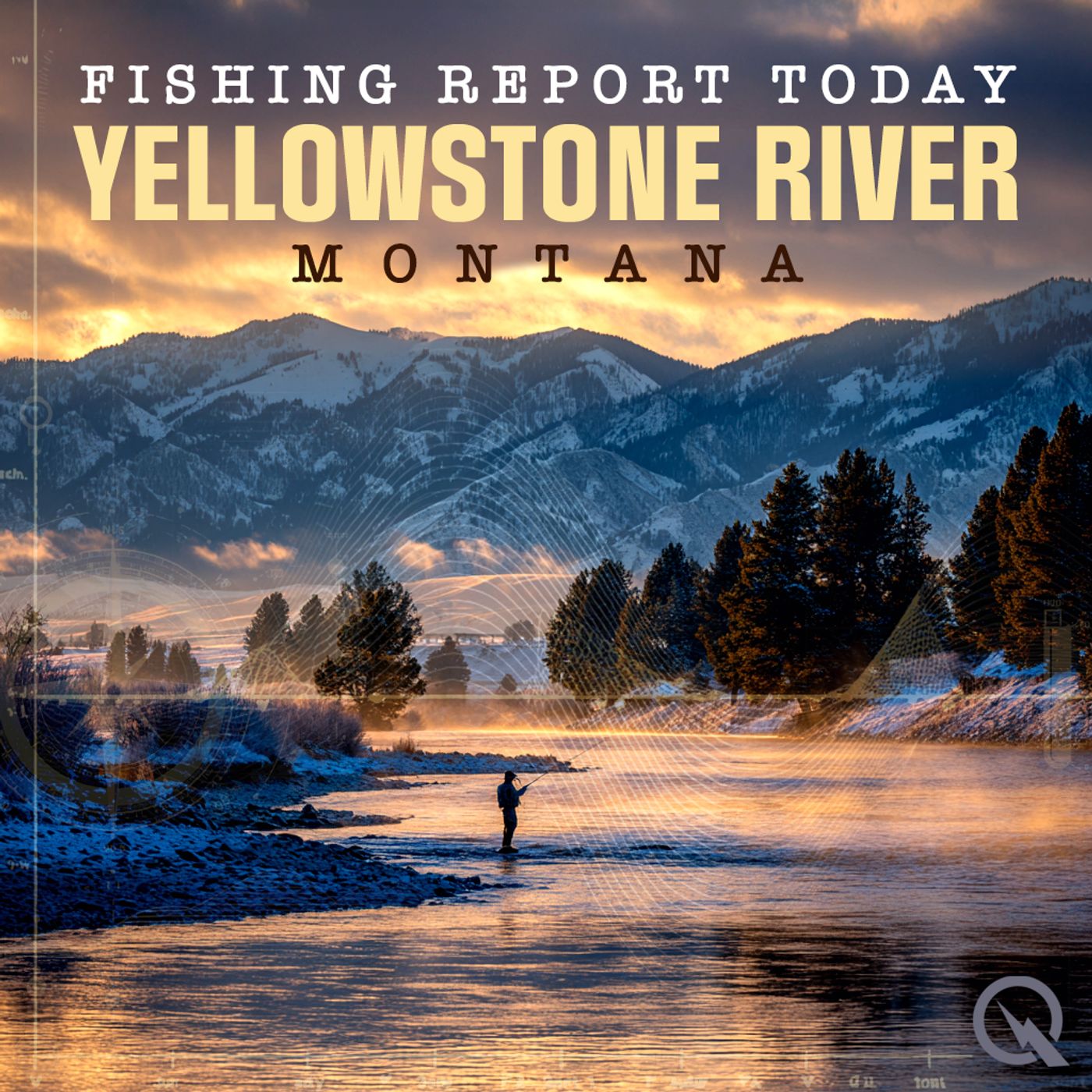
Yellowstone River Winter Fishing: Tactics for Late Fall Trout on Montana's Premier Tailwater
Published 1 year, 5 months ago
Description
As of November 28th, the Yellowstone River in Montana is experiencing the chill of late fall, with winter slowly setting in. Here’s what you need to know for a successful day on the water.
### Weather and Conditions
The weather is cold, with temperatures ranging from the mid-20s to mid-40s Fahrenheit. Expect cloudy and possibly snowy conditions, which are ideal for certain types of fishing. Sunrise is around 7:30 AM, and sunset is about 4:30 PM, giving you a decent window for fishing.
### Fish Activity
Trout on the Yellowstone River have moved into deeper, slower runs and pockets due to the dropping water temperatures. Fish activity is slower compared to earlier in the fall, but you can still find active trout, especially during the warmer parts of the day, typically after lunch[3].
### Types and Amounts of Fish
Brown trout are the primary target this time of year, with some rainbow trout also present. The fish are not as active as they were a few weeks ago, but you can still catch some solid trout if you fish the right spots and use the right techniques.
### Best Lures and Bait
Nymphing is the most effective technique right now. Use tandem rigs with generalist nymphs such as San Juan Worms, Prince Nymphs, Beadhead Pheasant Tails, and Zebra Midges. Egg patterns and stonefly imitations are also working well. For dry fly fishing, look for Blue-Winged Olive hatches and use extended body BWOs, film critics, or hatchback BWOs. If you see October caddis, try twitching a size 12 royal chubby or size 14 orange stimulator[2][3].
### Hot Spots
- **Below Livingston**: This section of the river has been producing good reports, with consistent fishing from Livingston all the way up into Yellowstone National Park.
- **Deeper Runs and Pockets**: Target the top of longer and slower runs, and areas next to shallow water, adjacent to riffles, shelves, and banks. These spots typically have 4-6 feet of depth and some current, which is crucial for finding feeding trout[3].
### Additional Tips
- Use fluorocarbon tippets for better stealth in the clear water.
- Fish during the low-light morning hours or after lunch when the sun warms up the water slightly.
- Be prepared for cold weather and adjust your fishing techniques accordingly.
Overall, the Yellowstone River is still offering some great late fall fishing opportunities, especially if you're willing to adapt to the changing conditions.
This content was created in partnership and with the help of Artificial Intelligence AI
### Weather and Conditions
The weather is cold, with temperatures ranging from the mid-20s to mid-40s Fahrenheit. Expect cloudy and possibly snowy conditions, which are ideal for certain types of fishing. Sunrise is around 7:30 AM, and sunset is about 4:30 PM, giving you a decent window for fishing.
### Fish Activity
Trout on the Yellowstone River have moved into deeper, slower runs and pockets due to the dropping water temperatures. Fish activity is slower compared to earlier in the fall, but you can still find active trout, especially during the warmer parts of the day, typically after lunch[3].
### Types and Amounts of Fish
Brown trout are the primary target this time of year, with some rainbow trout also present. The fish are not as active as they were a few weeks ago, but you can still catch some solid trout if you fish the right spots and use the right techniques.
### Best Lures and Bait
Nymphing is the most effective technique right now. Use tandem rigs with generalist nymphs such as San Juan Worms, Prince Nymphs, Beadhead Pheasant Tails, and Zebra Midges. Egg patterns and stonefly imitations are also working well. For dry fly fishing, look for Blue-Winged Olive hatches and use extended body BWOs, film critics, or hatchback BWOs. If you see October caddis, try twitching a size 12 royal chubby or size 14 orange stimulator[2][3].
### Hot Spots
- **Below Livingston**: This section of the river has been producing good reports, with consistent fishing from Livingston all the way up into Yellowstone National Park.
- **Deeper Runs and Pockets**: Target the top of longer and slower runs, and areas next to shallow water, adjacent to riffles, shelves, and banks. These spots typically have 4-6 feet of depth and some current, which is crucial for finding feeding trout[3].
### Additional Tips
- Use fluorocarbon tippets for better stealth in the clear water.
- Fish during the low-light morning hours or after lunch when the sun warms up the water slightly.
- Be prepared for cold weather and adjust your fishing techniques accordingly.
Overall, the Yellowstone River is still offering some great late fall fishing opportunities, especially if you're willing to adapt to the changing conditions.
This content was created in partnership and with the help of Artificial Intelligence AI