Episode Details
Back to Episodes
15 Winter RVing Tips + Winter Campground Locations with Ali from Spacious Skies
Published 1 year, 4 months ago
Description
As the temperatures drop, many RVers are tucking their rigs away for the winter. But for a growing number of adventurous campers, winter RVing offers unique opportunities to explore serene landscapes, experience cozy camping, and embrace the quieter side of the camping season. In this week’s episode of The RV Atlas podcast, we dive into 15 Winter RVing TIps and explore Spacious Skies Campgrounds’ excellent winter offerings with co-founder Ali Rasmussen. Whether you’re a seasoned winter RVer or just winter-camping curious, this guide will help you prepare for your first–or next–winter camping trip.
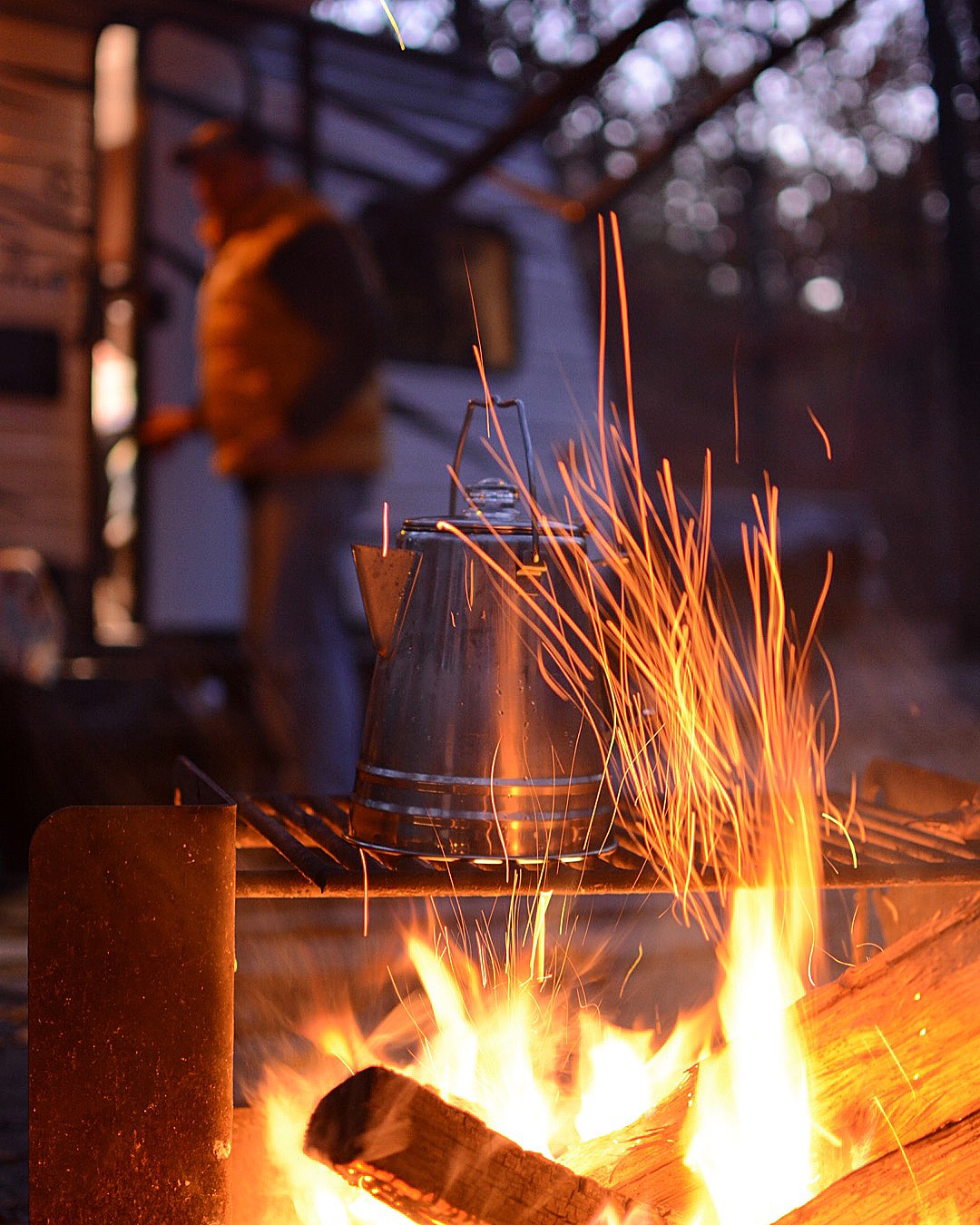
15 Winter RVing Tips
- You Can Camp in a Winterized RV
A winterized RV doesn’t mean you can’t camp. The plumbing may be shut down, but propane and electric systems still work. Use RV antifreeze in the toilet or opt for a portable travel potty to maintain comfort without reactivating your water systems. - Find Open Campgrounds
Many campgrounds close in winter, but others, like KOAs and Spacious Skies Campgrounds, remain open. Research campgrounds that provide heated bathhouses and water access. Double-check operating hours and available amenities before booking. - Monitor Driving Conditions
Avoid driving or towing in icy conditions. Keep an eye on weather forecasts and have a backup plan. If necessary, stay put until conditions improve. Preparation for flexibility is critical in winter RVing. - Invest in a Heated Hose (with Caution)
Heated hoses can help prevent freezing, but they’re not failproof in extended subzero temperatures. Use them for short-term cold snaps and insulate the hose connections for added protection. - Know Your RV’s Winter Capabilities
Understanding your RV’s build is crucial. Insulated underbellies, dual-pane windows, and heated tanks are ideal. For RVs without these features, invest in skirting, tank heaters, or additional insulation to prevent freezing.
-
Listen Now
Love PodBriefly?
If you like Podbriefly.com, please consider donating to support the ongoing development.
Support Us