Episode Details
Back to Episodes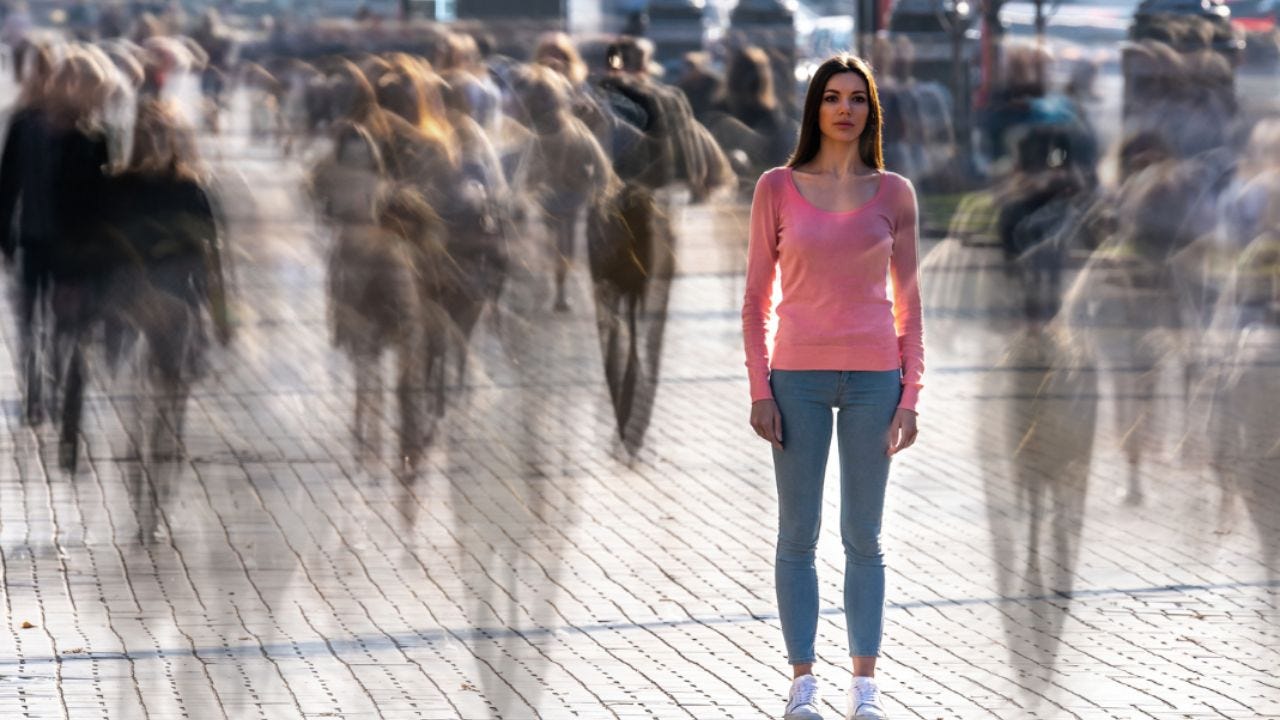
Highly Sensitive, Neurodivergent and Misunderstood. How Can We Be Ourselves?
Description
Being a highly sensitive person, or neurodivergent in other ways, we may have grown up feeling misunderstood, and even like we were flawed.
The first section of this audio is an excerpt from a related podcast episode with Julie Bjelland and Willow McIntosh, followed by comments by Dr. Aimie Apigian on how trauma relates to these feelings.
Hear the full podcast episode "The Pain of Being Misunderstood and the Joy of Belonging with Julie Bjelland, LMFT and Willow McIntosh" - See the HSP and Neurodivergent Podcast page.
In this excerpt, therapist Julie Bjelland, LMFT mentions her Autistic Women’s Group - this is free for members of her Sensitive Empowerment Community.
A member writes: “Thank you for such loving words and the support!…this community you created has made me feel so welcomed, understood and provides a beautiful garden that I feel comfortable to share my vulnerabilities openly and have a positive space that feeds me with beauty in so many ways!"
Willow McIntosh notes in a post on his site: "For those of us born with the trait of high sensitivity and high sensory intelligence we typically experienced the world in a particular and often profound way.
"It is quite common for us to have been misunderstood and for our emotional sensitivity to be seen as a disadvantage.
"Yet it is often the challenges we faced and the way we saw the world back then that shape us to specialise in a particular area of life."
From post "The importance of reframing our childhood as a highly sensitive person" in the blog section of his site Inluminance.
Trauma and feeling misunderstood
“Trauma results in this belief that we are different, that we’re not enough, that there’s something about us that pushes people away or that we’re too much for other people."
Trauma healing specialist Aimie Apigian, MD continues:
“And so if they were to truly know us – all parts of us – then they would leave us, then they would kick us out, then they would reject us, abandon us.
"And those feelings of being abandoned and being different are so painful that our system responds in a self-protective way…”
Dr. Aimie Apigian, MD, MS, MPH, is an author, speaker and founder of Trauma Healing Accelerated.
Hear more in podcast episode How attachment trauma impacts our lives with Aimie Apigian, MD.
Visit her site to learn about her ongoing program for trauma recovery: The Foundational Journey: 21 Day Journey and Introduction to All Parts of Me courses. "Together, these courses integrate the somatic and parts work which are essential to effectively address stored trauma in the body."
The image at the top of this page (‘woman standing alone in busy crowd’) comes from free guide by Dr. Apigian:
▶️ Attachment Pain: A Roadmap for Healing. "Attachment is not just one’s relationship style, it was one’s survival style for the first few years of life. These experiences influence our attachment styles—secure, anxious, avoidant, or disorganized—and shape our ability to form healthy relationships."
~~~
Another related podcast post: Getting past feeling flawed to being authentic and connecting bett