Episode Details
Back to Episodes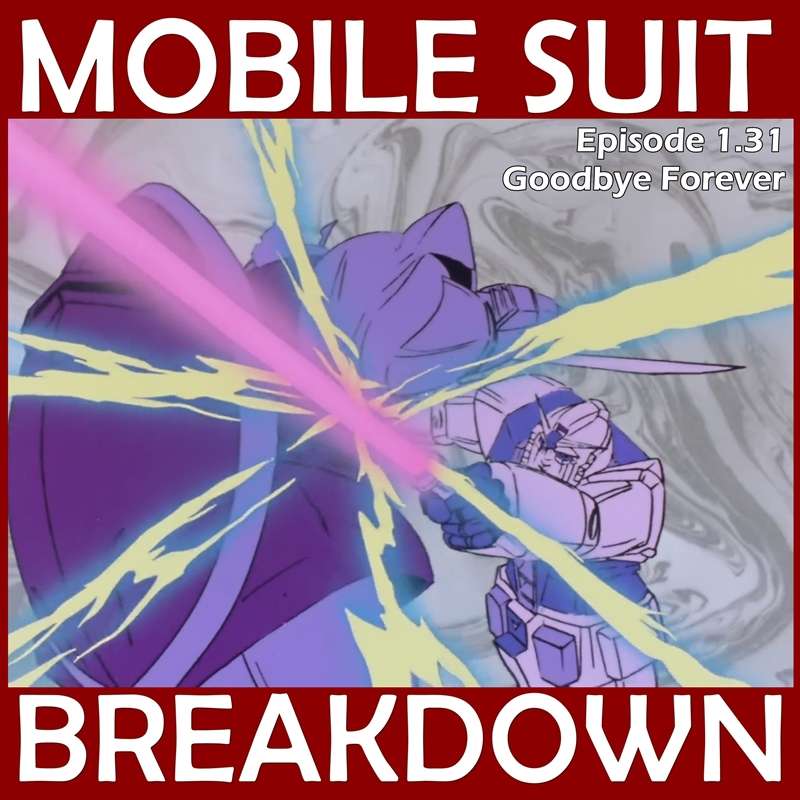
1.31 - Goodbye Forever
Description
Show Notes
This week, we recap, review, and analyze Mobile Suit Gundam episode 38/37 "Char and Sayla" (再会、シャアとセイラ), discuss our first impressions, and provide commentary and research on the Gelgoog’s decidedly low-tech sword, the word “kanchou,” and gold in WWII.
-
- The warrior monks who favored the naginata and nagamaki were closely affiliated with the mythical warrior demons called Tengu. For more about how the Tengu supposedly taught them the use of their weapons:
Roald Knutsen, "Tengu: The Shamanic and Esoteric Origins of the Japanese Martial Arts"
(Knutsen is a former soldier, and has a menkyo kaiden in iai-jutsu. We weren't able to get our hands on it, but Knutsen's 2004 book "Japanese Spears" is supposed to be the very best English source on the subject).
- A very interesting Sword Forum discussion of the differences between nagamaki and naginata, plus different examples of nagamaki and lots of pictures.
- A photo of a historical nagamaki.
- For an authority who views the nagamaki as more of a short polearm rather than a long sword:
Encyclopedia of Japanese Martial Arts, David A. Hall, Kodansha International; 1 edition (February 22, 2013)
- Wiki articles on the naginata and nagamaki.
- The full list of ranks for the Imperial Japanese Army and Navy (including where "kanchou" fits in).
- Wiki pages on Nazi gold and gold laundering.
- Forbes article on Operation Fish.
- Articles about Canfranc from El Pais (in English): "a hub for Nazis, gold and spies," "Last train for spy central," and "Casablanca in the Pyrenees."
- Two articles about Albert Le Lay (both in Spanish).
- Wiki page on Portugal in WWII.
- Beautiful description of what Lisbon must have been like during the war, especially with regard to the mix of people (by a historical fiction writer).
- From Life Magazine, July 1940. Fascinating look at American attitudes towards dictatorships and neutral countries, prior to the US joining the war:
“Portugal: The War Has Made It Europe's Front Door.” Life, 29 July 1940, pp. 65–73.
- Book about Portugal during WWII