Episode Details
Back to Episodes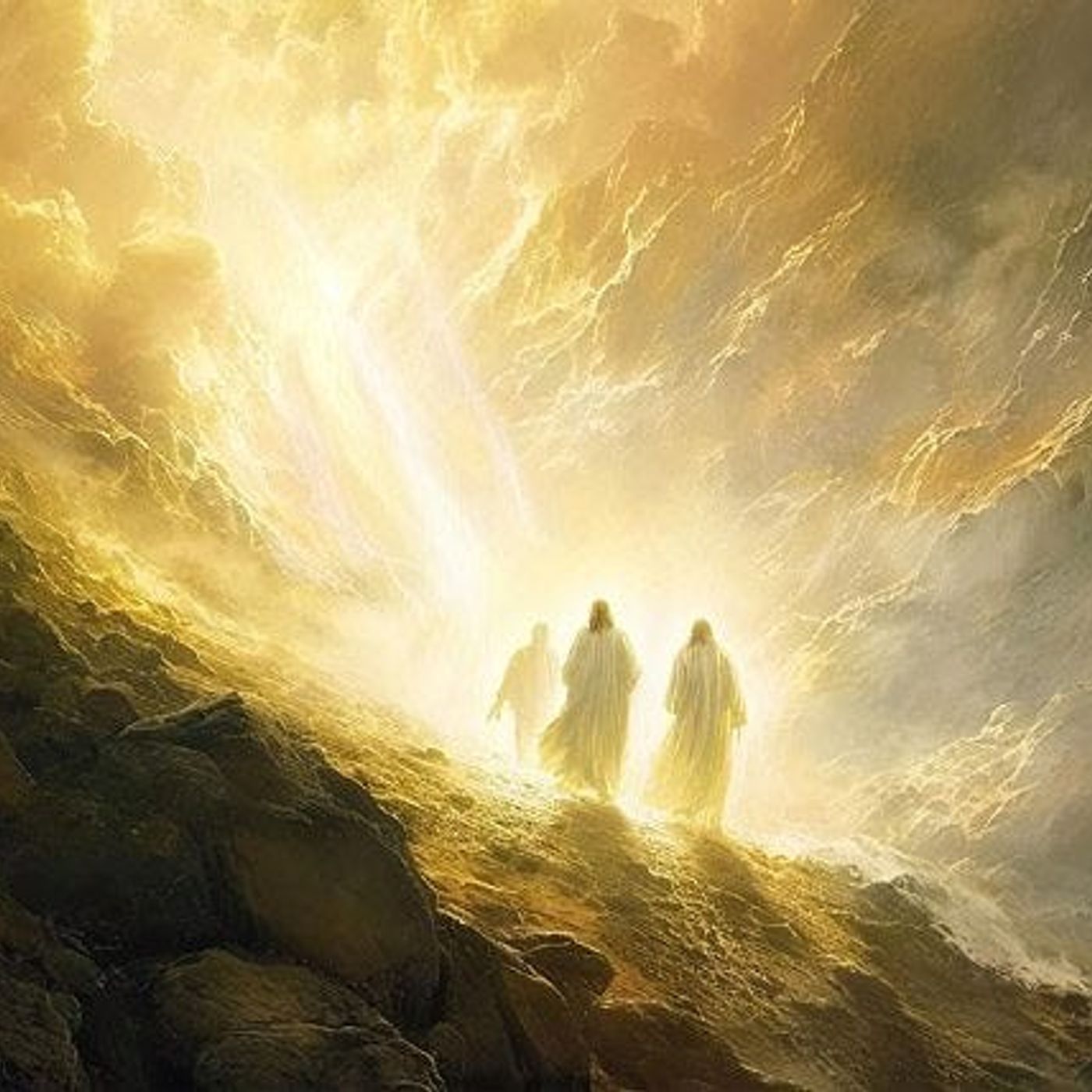
The Dark Powers Are on Notice
Published 2 years, 3 months ago
Description
The TransfigurationLuke 9:28-36Just over a hundred years ago, many elite Christian professors and intellectuals came up with the idea that the supernatural elements of Christianity were unpalatable to modern tastes and so they decided to get rid of them. The most famous name here is that of Rudolf Bultmann who is associated with the project of ‘demythologising’ Scripture.This project and others like it has massively affected the Church all throughout the Western World. The issues have changed a bit: nowadays the issues are largely around contemporary standards of sexual morality and marriage, but the logic is still exactly the same: let’s change to make ourselves acceptable and attractive.How’s that going? I could spend all evening going through statistics which demonstrate emphatically that this approach produces exactly the opposite of the intended effect. But let me give you just one: did you know that there are more Anglican Christians in Nigeria than there are in the whole of England and the United States combined? In fact, it’s not even close: the US has 1.6 million, England has around .7 million. The Nigerian Church has 18 million…Anglican Christians in a country of 190 million people – just under 1 in ten people. In our country the equivalent would be something like 7 million Anglican Christians.What are they doing that is different to us? Simply put, they are not employing this kind of logic.Let’s apply it to the specific issue of the supernatural: some of you might have heard of the writer Michael Heiser. Don’t worry if not but he wrote a book called The Invisible Realm. Heiser was an expert on the Old Testament and his thesis in that book was that modern, Western people are so conditioned by a scientific, Enlightenment worldview that we often miss the supernatural elements of Scripture, even when we think we’re not. There are many passages in Scripture, Heiser said, that comes across to us as just too weird and so we skip over them.One of those passages is Genesis 6. Perhaps you know it: the bit where the ‘sons of God’ mate with the ‘daughters of Eve’ and produce a race of gigantic offspring known as the ‘Nephilim’. How many of you know that story? There’s not enough time to go into it now but essentially Heiser argues (and I agree with him) that the sons of God in this passage are not referring to humans but to angelic beings who engage in rebellion against God by mating with human women. The women then produce this gigantic race of half-angelic, half-human beings called the Nephilim who show up all the way the through the historical narrative of the Old Testament causing all sorts of problems. Goliath is but one example.It's fascinating stuff but there’s a direct relevance to our text tonight. A little before the Transfiguration, in Luke 9:18-20, Peter makes his famous confession in response to Jesus’ asking the question, “Who do you say that I am?”: “The Christ of God,” Peter says. Heiser makes the claim (and he is by no means alone) that both this confession of Peter’s and the Transfiguration itself take place in the same location, upon the same mountain, Mount Hermon.Cut a long story short and essentially Mount Hermon is the place where, according to Jewish literature such as 1 Enoch, the sons of God descended to earth and launched their rebellion against Yahweh. In the ancient world, Mount Hermon became a site of cultic devotion with dozens of temples which would have been used for Canaanite and Phoenician worship. In Old Testament times, Mount Hermon was considered to be the gates of hell and the gateway to the realm of the dead.This is the place that Jesus chooses to reveal both his identity to Peter and his glory to the three. Why? Heiser says, it was a provocation to the powers of darkness. This moment, specifically the moment of Transfiguration, marks a turning point in all of the Gospels. Jesus’ identity has been revealed, not just to his disciples, but to Satan and the demonic powers themselves. And fro