Episode Details
Back to Episodes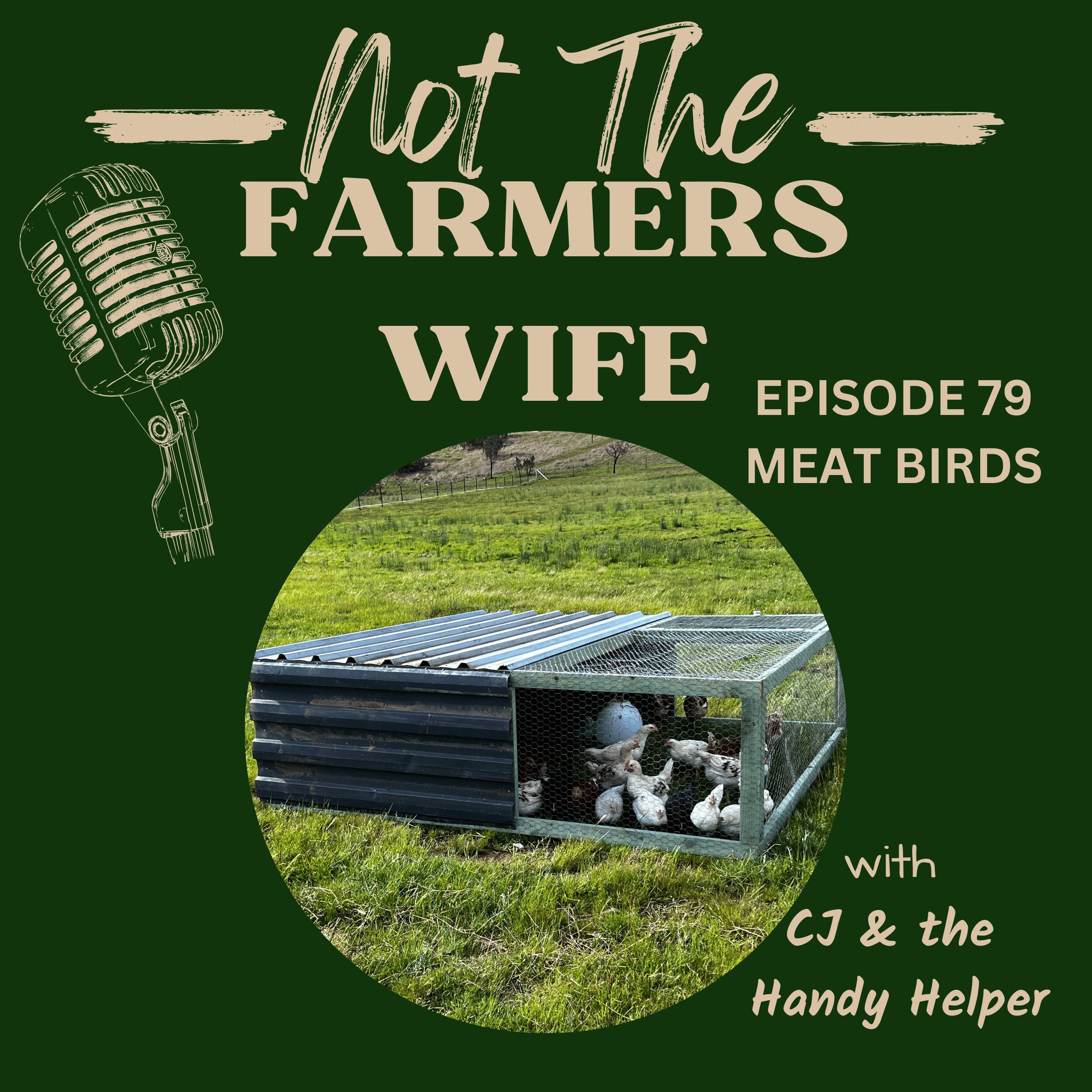
Episode 79 - Meat Birds
Description
Meat Birds
Kill Cones - https://amzn.to/4fUYt9N
Butchers Aprons that we use - https://amzn.to/3SXujZp
Rubber Fingers for Plucker - https://amzn.to/4cwIwnk
Butcher Knife that we use - https://amzn.to/46VIFzd
Raising chickens as meat birds, also known as broilers, requires careful planning and attention from day-old chicks to processing. Here’s a comprehensive list of everything a homesteader needs to consider:
- Choosing the Right Breed
- Broiler Breeds: Select a breed known for meat production, such as Cornish Cross or Red Rangers (USA), Cob (AUS) and Broiler (UK). Cornish Cross, Cobs and Broilers are fast-growing, typically ready for processing at 6-8 weeks, while Red Rangers grow slower but are hardier and more suited for pasture.
Heritage breeds take longer to grow but are becoming more popular with homesteaders and small farmers. Any of the dual-purpose breeds can be used for meat in this way.
Australop, Brahma, Plymouth Rock, Orpingtons, Rhode Island Red and White, Sussex and Wyndottes.
- Source: Purchase chicks from a reputable hatchery or breeder to ensure healthy, disease-free stock.
- Housing & Space Requirements
- Brooder Setup: For the first few weeks, keep chicks in a brooder with a controlled temperature. Provide 0.05 square meters (0.5 square feet) per chick, increasing as they grow.
- Coop or Shelter: Once they’re feathered, move them to a coop or shelter. Provide 0.28-0.37 square meters (3-4 square feet) per bird inside the coop and 0.93-1.4 square meters (10-15 square feet) per bird in outdoor space.
- Ventilation: Ensure adequate ventilation to reduce moisture and ammonia buildup.
- Protection: Secure housing to protect from predators, ensuring doors and windows can be locked or closed securely.
- Feeding
- Chick Starter Feed: Start with a high-protein chick starter feed (18-20% protein) for the first 4 weeks.
- Broiler Grower Feed: Transition to broiler grower feed with 20-24% protein until processing time.
- Feed Consumption: Expect rapid growth; monitor feed consumption closely and ensure there’s always enough available.
- Feeding Schedule: Some homesteaders restrict feed access to 12 hours on, and 12 hours off after the first few weeks to prevent health issues like leg problems and heart failure.
- Watering
- Constant Access: Broilers need constant access to clean, fresh water. Ensure waterers are large enough to meet their needs.
- Waterer Type: Use sturdy waterers that can’t be easily knocked over as the birds grow larger and heavier.
- Maintenance: Clean waterers regularly to prevent bacterial growth.
- Health & Disease Prevention
- Vaccination: Vacc