Episode Details
Back to Episodes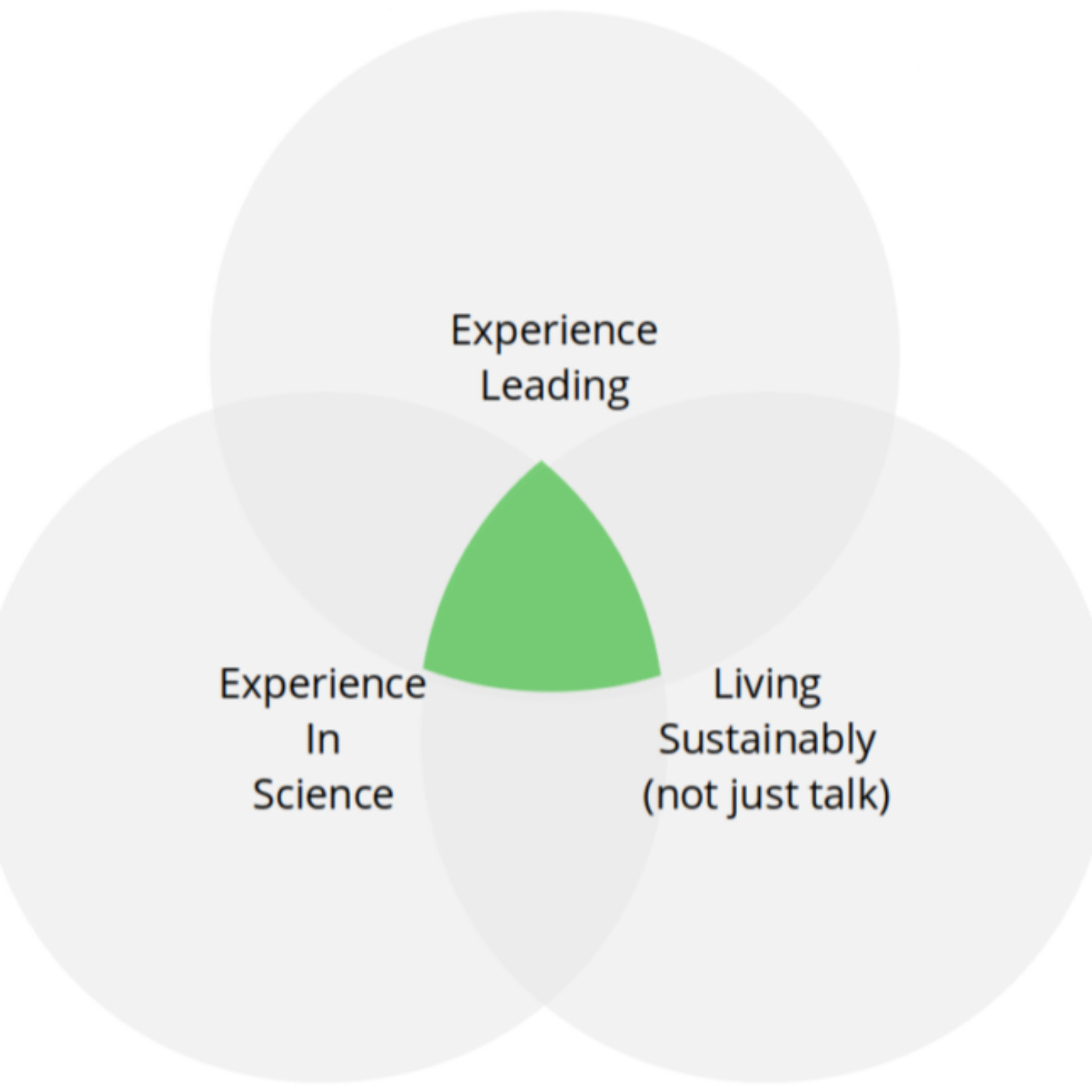
471: 12 Sustainability Leadership Lessons Unplugging My Fridge for 6.5 Months Taught Me
Description
Isn’t a refrigerator essential? Isn’t life with them better?
I thought so. I’ll quote my mom from my podcast to illustrate where I came from:
I grew up where it was easily ninety degrees every single day. In fact, where I worked, the store if it got ninety degrees outside we got to close the store and go home because it was that unsafe. To me, air conditioning was wonderful. And to my mom and my grandmother, not having to use ice box refrigerators was great. I really appreciate all of that today and I understand that we’ve gone overboard with air conditioning. It’s really bad for the environment and one should learn how to get along with these temperatures.
But Josh, it was really hot in South Dakota. Unless you had really, really good screens, when you opened the windows you were covered with mosquito bites. I don’t want to revisit that at all ever. I am willing to use fans and cut out a lot of air conditioning but to me it means giving up a lot that made my life a lot better.
I didn’t have much but what I had was good. It seems to me like you’re asking me—not you personally—but we’re saying stop doing these things that brought joy. I’m not excessive.
Her experience is no air conditioning bad, air conditioning good. No fridge bad, fridge good. Most of us share the experience and belief. It’s our culture. As long as we don’t challenge our beliefs and culture, we’re stuck polluting. We’ll keep sleepwalking into an uninhabitable Earth.
But people lived without refrigeration for hundreds of thousands of years. Were they all miserable all the time? Other cultures always look odd until we get them.
Changing Culture from Polluting to Stewarding
To change American and global culture to embrace stewardship and pollute less, not thinking it means deprivation, sacrifice, burden, and chore, but joy, fun, freedom, connection, community, meaning, and purpose, a leader needs experience in three areas:

- Leading people
- Science
- Living the values he or she proposes others adopt
Most people have one or two. I know of almost no one with all three. Many scientists, educators, and journalists know science, but not how to lead. They spread facts, figures, and instruction, where rarely lead people to change. Many leaders don’t know science so they promote ideas that sound nice but don’t work.
Even among people who lead and know science—a rare combination—few to none have tried to live sustainably. Sadly and unintentionally, they present solutions as abstract at best, more often as something even they don’t want but we have to.
I’ve Been to the Mountain Top and Seen the Promised Land
I don’t avoid packaged food and flying to deprive myself, nor because I believe my contributions divided by 7.8 billion round off to more than zero. I do it on a personal level to live by my values and not pollute. But from a sustainability leadership perspective, I do it to learn what living sustainably means and what the transition requires.
Changing a lifestyle isn’t a matter of new technology or instruction. It takes new role models, beliefs, stories, images, support, community, and things like that. The challenge of building muscle at the gym isn’t know what weights to lift. It’s how to go when you don’t feel like it or your friends discourage you, handling injuries or slow progress, diet, sleep, great coaching, and so on.
In Martin Luther King speak, to reach the promised land, you have to climb the mountain, which few people want to do first. They don’t see the value. Someone has to go first a