Episode Details
Back to Episodes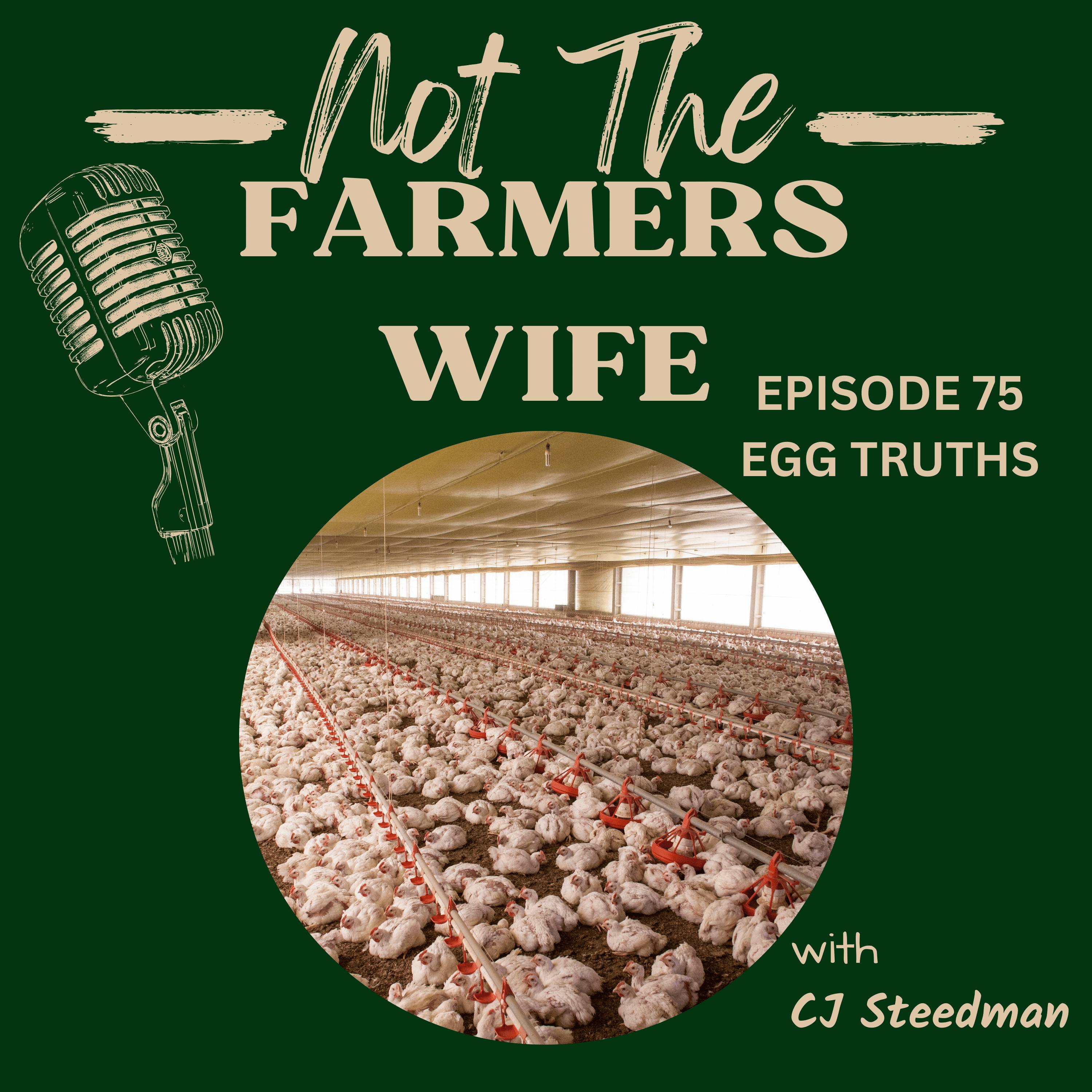
Episode 75 - Egg Truths
Description
Egg Truth Episode 75
Join the waitlist www.mojohomestead.net/waitlist
Super Size Me 2 : Holy Chicken https://www.imdb.com/title/tt7215262/
The Truth about Free-Range Eggs
The terms "barn-raised," "free-range," and "pasture-raised" refer to different methods of housing and raising chickens for egg production. Here's a breakdown of each:
Barn-Raised Eggs
- Housing: Chickens are kept indoors in a barn or poultry house without access to the outside.
- Space: They have more space than caged hens but less than free-range or pasture-raised chickens. The space allows for natural behaviours like walking and spreading wings but not necessarily full outdoor access.
- Environment: The barn environment is controlled in terms of temperature and lighting. Hens have perches, nesting boxes, and litter for scratching and dust-bathing.
- Advantages: More control over environmental conditions and protection from predators.
- Disadvantages: Limited access to natural behaviours and no outdoor access.
Free-Range Eggs
- Housing: Chickens are allowed to roam freely outside for part of the day but are housed in barns or poultry houses at night or during adverse weather.
- Space: More space than barn-raised, including access to outdoor areas where they can forage for plants and insects.
- Environment: Chickens have access to outdoor areas, which might be fenced, and indoor barns with perches and nesting boxes.
- Advantages: More natural living conditions and ability to express natural behaviours.
- Disadvantages: Potential exposure to predators and outdoor conditions, and the quality of the outdoor area can vary.
Pasture-Raised Eggs
- Housing: Chickens are kept on pasture, with access to shelter like movable coops or barns. They spend most of their time outdoors.
- Space: The highest space allowance per bird, with access to large, open pasture areas where they can forage naturally.
- Environment: Chickens have ample outdoor space to roam, forage, and engage in natural behaviours. Pasture conditions vary with weather and seasons.
- Advantages: The most natural living conditions, with diverse diets from foraging and ample exercise.
- Disadvantages: Higher exposure to predators and variable outdoor conditions, and higher costs due to space and management requirements.
Summary
- Barn-Raised: Indoor living with controlled environments, no outdoor access. 1 dozen cost between $5- $7.60
- Free-Range: Indoor housing with access to outdoor areas for part of the day. $5.20-$8.75
- Pasture-Raised: Primarily outdoor living with access to pastures, the most natural environment. $13.95-14.95
These distinctions often impact the price, taste, and nutritional content of the eggs, with pasture-raised eggs typically being the most expensive and potentially offering higher nutrient levels due to the varied diet of the chickens.
Pasture-raised eggs are often cons