Episode Details
Back to Episodes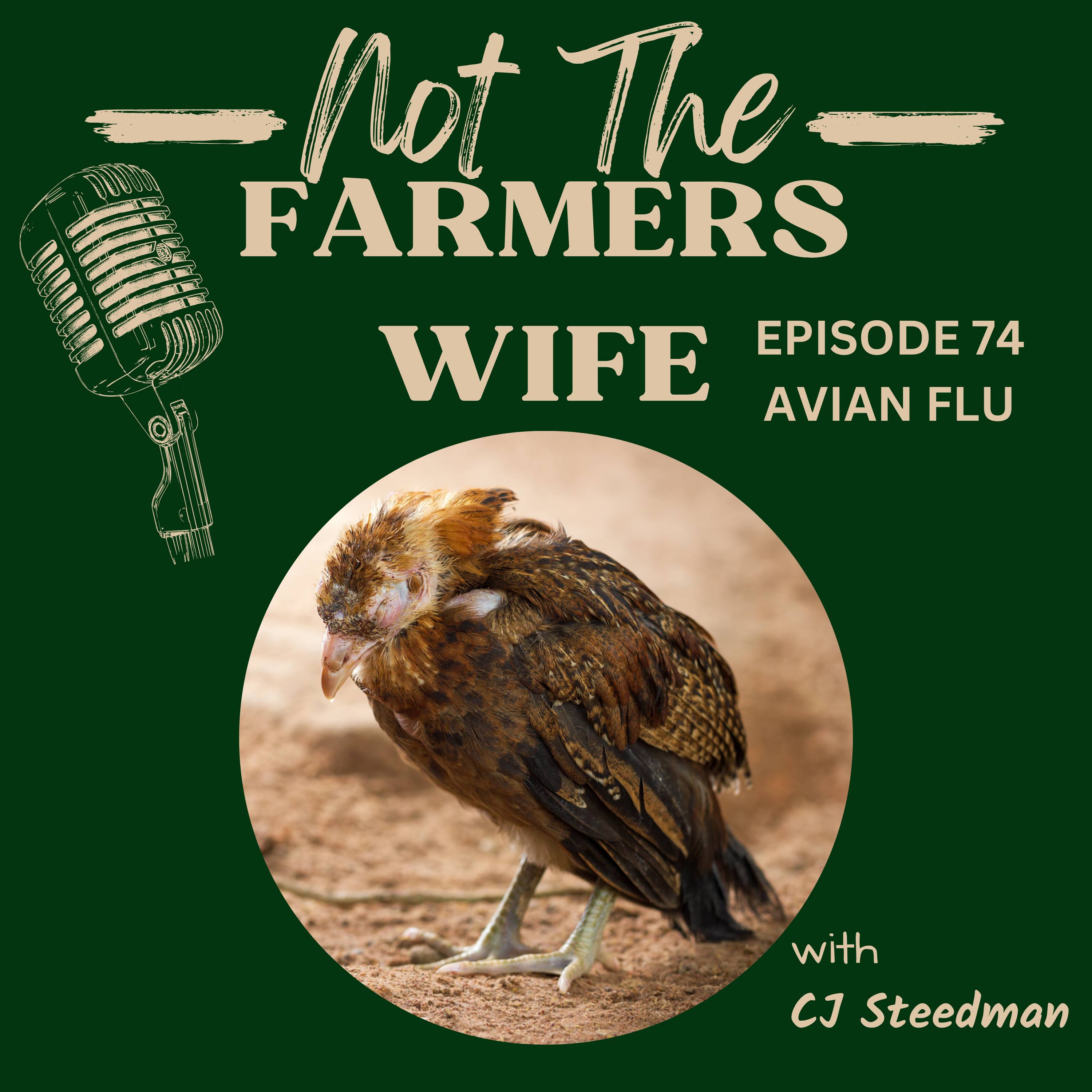
Episode 74 - Avian Flu
Description
Avian Flu - Episode 74
On 22 May 2024, the World Health Organization (WHO) was notified of a laboratory-confirmed case of human infection with avian influenza A(H5N1) virus (clade 2.3.2.1a) by the International Health Regulations (IHR) National Focal Point (NFP) of Australia. This is the first confirmed human infection caused by avian influenza A(H5N1) virus detected and reported by Australia.
In 2024, Australia experienced significant challenges with avian influenza, primarily involving highly pathogenic avian influenza (HPAI) strains. The outbreaks were reported in Victoria, New South Wales, and the Australian Capital Territory, with H7N3 and H7N9 strains affecting egg farms in Victoria and H7N8 impacting poultry in NSW and the ACT.
Unusually, this outbreak occurred with 3 different strains at the same time as the first human contamination. We need to go 2 months without detection to be considered free of avian influenza.
Despite these outbreaks, Australia has managed to avoid the devastating H5N1 strain, which has caused widespread issues globally. This strain, first identified in China in 1996, has led to massive bird deaths and human infections across multiple continents. The H5N1 virus is highly pathogenic and can infect a variety of species, including wild birds and mammals. Human cases, though rare, have been reported, leading to severe illness and fatalities.
Australia's relative safety from H5N1 is attributed to its geographic isolation and stringent biosecurity measures. The country employs extensive surveillance and rapid response strategies to detect and manage avian influenza outbreaks.
This includes testing migratory birds and domestic poultry, as well as imposing strict import controls to prevent the introduction of infected birds and poultry products.
Overall, while Australia has effectively contained current avian flu outbreaks, vigilance and robust biosecurity remain critical to prevent the introduction of more virulent strains like H5N1.
Preventing bird flu involves a combination of biosecurity measures, surveillance, vaccination, and public awareness. Here are some key strategies:
Biosecurity Measures
- Restrict Access: Limit access to poultry farms and ensure that only essential personnel enter. Implement strict hygiene protocols, such as using disinfectant footbaths and protective clothing.
- Quarantine New Birds: Isolate new or returning birds from the rest of the flock for at least 30 days to monitor for signs of illness.
- Clean and Disinfect: Regularly clean and disinfect equipment, vehicles, and facilities to minimise the risk of contamination.
Surveillance
- Monitoring: Regularly test domestic and wild birds for avian influenza viruses. Early detection helps in rapid response and containment of outbreaks.
Signs of disease usually appear in several or all birds in a flock, including:
- sudden death
- lethargy or reluctance to walk, eat or drink
- droopy appearance or ruffled feathers
- head or limb swelling
- bruising o