Episode Details
Back to Episodes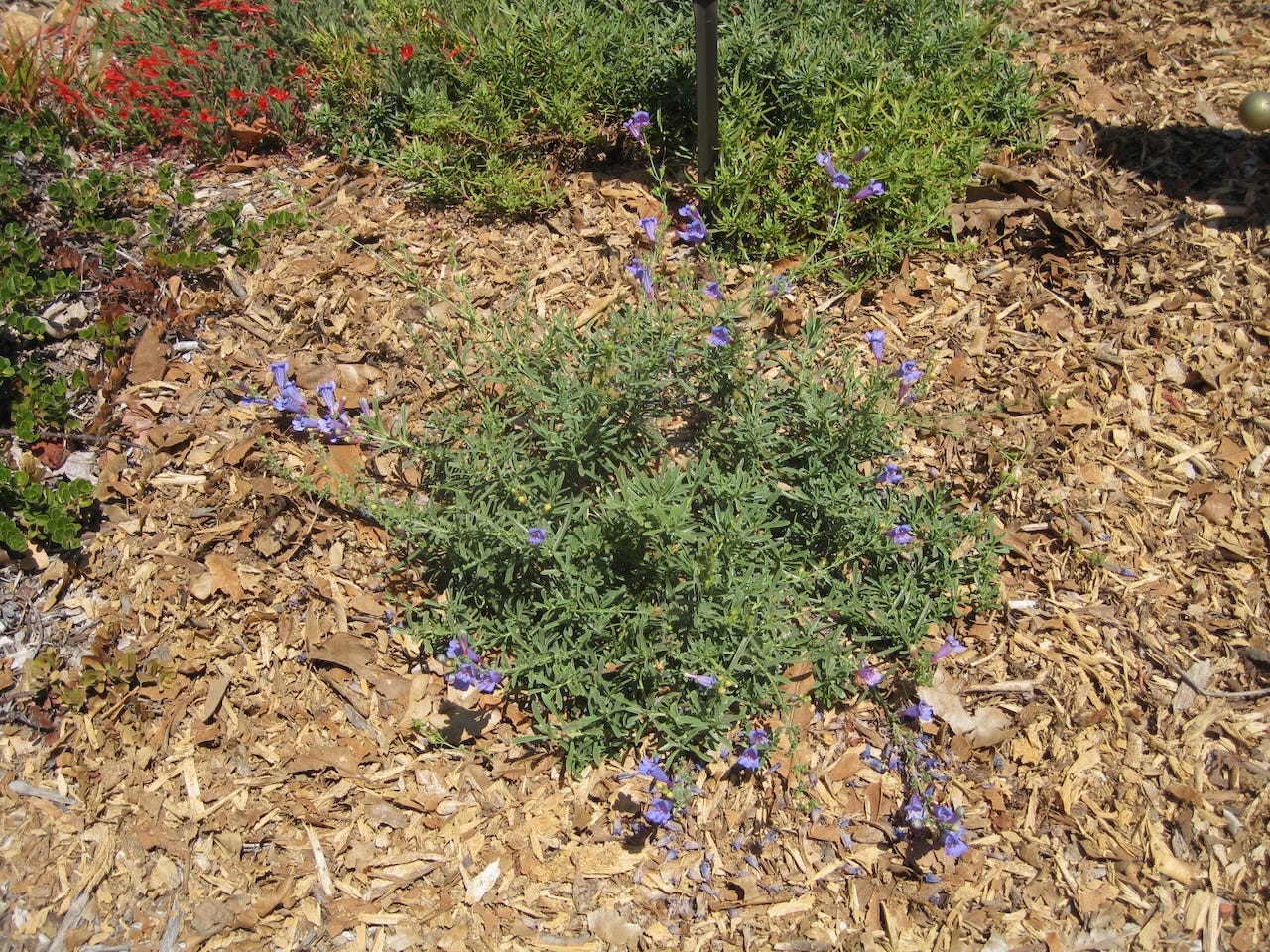
Helping Your Garden Cope with the Heat
Description
Before we delve into the sweaty details of getting your garden through the summer, here’s what you may have missed in last Friday’s Garden Basics with Farmer Fred podcast, the Heart Healthy Garden, recorded live at the Sacramento Rose Society in February of 2024:
• Eating a heart-healthy diet and exercising regularly can help improve heart health and reduce the need for medications.
• Fiber is an important component of a heart-healthy diet and can be found in a variety of fruits, vegetables, and whole grains.
• Growing your own fruits and vegetables allows you to have a constant supply of fresh, fiber-rich produce.
• Choosing heirloom varieties of vegetables can provide higher nutritional content compared to hybrid varieties.
• Seeking information from reliable sources, such as university websites, can help ensure accurate and trustworthy gardening advice.
What’s in Today’s Podcast at the top of this page?
The perfect companion piece to the information below, Debbie Flower and myself discussed more container planting tips, recorded last summer at Harvest Day at the Fair Oaks Horticulture Center, a free community event held the first Saturday of August every year, including this August, on Saturday, August 3. Details here about Harvest Day. This segment originally aired in Episode 278 of the Garden Basics Podcast. Among its highlights:
• Why you don’t want to use garden soil in containers.
• The best potting mix to use for a container plant.
• What’s happening to the roots of plants in containers on a 100-degree day.
• How to better protect your outdoor potted plants in a heatwave.
• The differences in shade cloth, and how to use it.
• How to reuse old potting soil.
• Are you watering your container plants effectively? Probably not.
• What do you put in the bottom of a plant container to aid drainage? Nothing! We tell you why.
• How to save garden seeds to last for years.
• And, how to get pepper seeds to germinate in half the time.
Helping Plants Cope with the Heat
Much like most of the country, our area here in Northern California just went through the first real heat wave of the season, with temperatures hovering around the century mark for several days this past week. The “Excessive Heat Warning” issued by the National Weather Service for Tuesday through Thursday predicted, “Dangerously hot conditions with temperatures 95 to 108 possible and widespread major heat risk.” As if that was not enough, try getting a good night’s rest with “limited overnight relief with temperatures in the 60s to mid 70s.” My apologies to those of you who normally try to sleep at night when summer nighttime temperatures are above 70.
Several meteorologists are calling for more intense heatwaves for the United States this summer. What’s a gardener to do to make their lawn and garden more heat-tolerable? Here are some tips for having a thriving garden during the summer’s upcoming heat waves, as well as save water:
• Mulch like mad. Create a one to three-inch layer of organic material such as bark, shredded leaves, or chipped/shredded tree branches, laid on top of the soil. This will reduce moisture loss from soil, moderate soil temperatures, control weeds which compete for water, and will return nutrients to the soil as it breaks down. Be sure to keep mulch a few inches away from the stems or trunks of plants.
• Count on compost. Mix compost into the soil to increase the soil’s ability to absorb and hold water, and to slowly release nutrients to plants. This reduces stress, making them less susceptible to pests.
• Plant early ripening varieties of vegetables that are mostly harvestable after only